Wine Guide
Timorasso: Piedmont's Rediscovered White Wine, from Near Extinction to Derthona
What is Timorasso? Piedmont's rare white grape from the Colli Tortonesi: its rescue, the Derthona name, the style, how it ages, food pairings and price tiers.
 By Leandro ScarpattiPublished on
Advertising: this article contains links to online shops that may be affiliate links. If you buy through them, we may earn a commission, at no extra cost to you. How we work with retailers
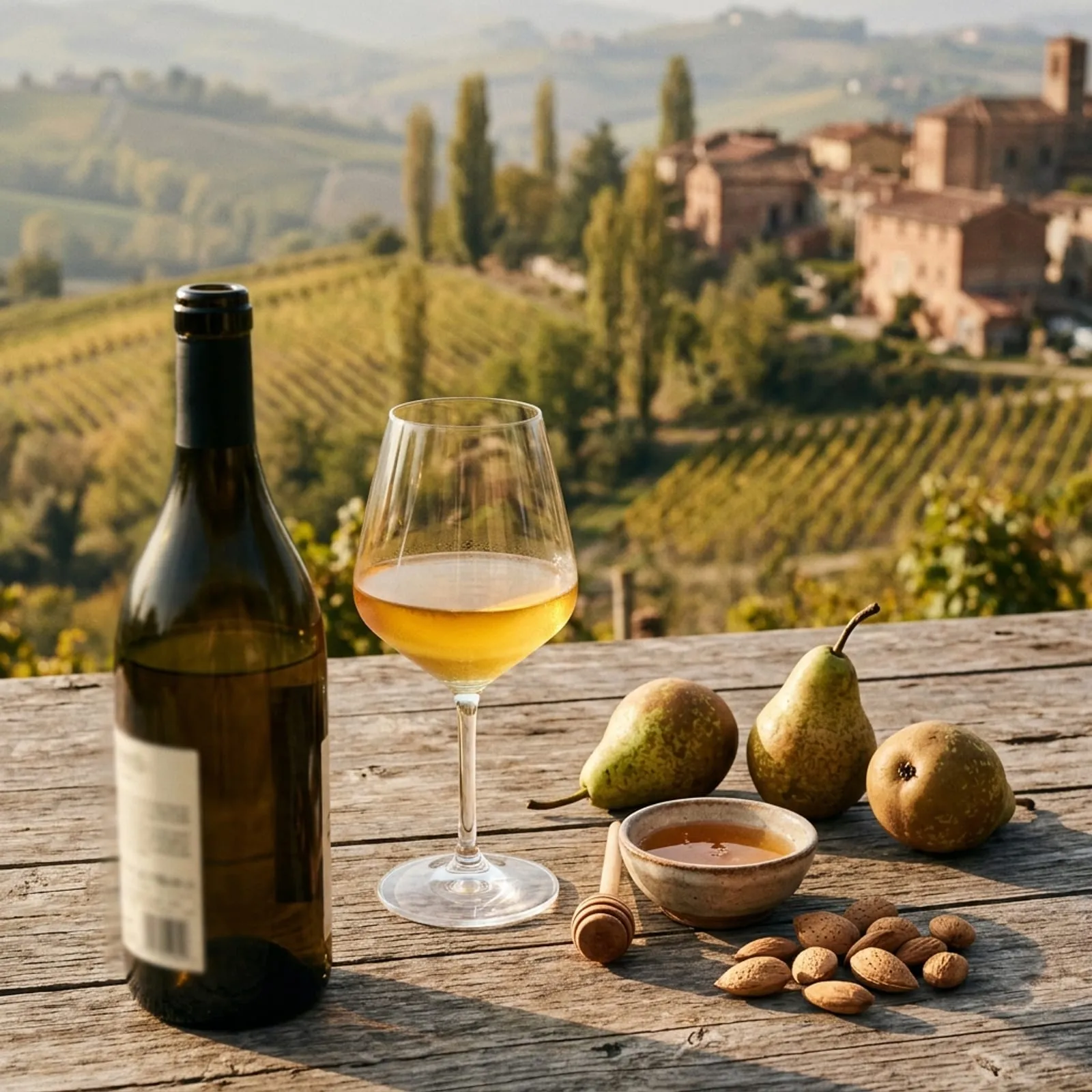
The short answer: Timorasso is a rare white grape from the Colli Tortonesi, the hills around Tortona in eastern Piedmont. It almost disappeared in the 20th century and was saved from the late 1980s by grower Walter Massa. Today it makes full-bodied, mineral dry whites with pear, citrus, honey and almond, often labelled “Derthona”, the ancient name of Tortona. It ages beautifully and pairs well with truffle, risotto and white meats.
Piedmont is famous for red wine: Barolo, Barbaresco, Barbera. But in its eastern corner, near the borders with Liguria and Lombardy, a white grape has gone from almost forgotten to one of the most exciting wines in Italy.
Its story is one of the best in Italian wine.
A grape saved from extinction
Timorasso is an old native grape of the Colli Tortonesi, in the province of Alessandria. It was once common here, but it is low-yielding and difficult to grow. During the 20th century, farmers replaced it almost everywhere with more productive, better-known varieties.
By the 1980s, practically no one was bottling it. Then Walter Massa, a grower in the village of Monleale, began experimenting with Timorasso in his Costa del Vento vineyard in the late 1980s. He worked on it for years and released the first vintage he was happy with, the 1995.
Other growers followed. The name Derthona, the ancient name of Tortona, was chosen to give the local Timorasso a shared identity. Today many growers make it, and several famous Barolo houses, such as Borgogno, La Spinetta, Fontanafredda, Damilano and Renato Ratti, now make one too.
Where Timorasso grows
The Colli Tortonesi are the hills east of Tortona, with soils of clay, limestone and marl. The climate is continental, with cold winters, hot summers and cool nights that help the grapes keep their acidity.
Most Timorasso is sold under the Colli Tortonesi DOC, often with the word Derthona on the label. Some producers, including Walter Massa himself, prefer to leave the appellation name off their labels.
What Timorasso tastes like
Timorasso is a full-bodied white, usually around 13.5 to 14% alcohol, with marked acidity that keeps it fresh.
| Young Timorasso (1–3 years) | Aged Timorasso (5+ years) | |
|---|---|---|
| Colour | Bright straw yellow | Deep golden yellow |
| Aromas | Pear, peach, citrus, acacia flowers | Honey, almond, dried fruit, hydrocarbons |
| Palate | Fresh, broad, mineral | Rich, complex, still fresh |
| Best with | Risotto, fish, white meats | Truffle, aged cheese, rich dishes |
| Price tier | €€ | €€–€€€ |
| Where to buy | Timorasso on Vino.com | Colli Tortonesi on Vino.com |
Prices are typical retail ranges in Europe and vary by producer and vintage.
The hydrocarbon (petrol-like) note that appears with age is often compared with Riesling. Some producers mention it in their own tasting notes, along with honey and ripe pear.
Pros and cons of Timorasso
| Pros | Cons |
|---|---|
| Pros: A rare, characterful white with real body and minerality | Cons: Small production: not easy to find in every shop |
| Pros: Ages for years and becomes more complex in the bottle | Cons: More expensive than everyday Italian whites |
| Pros: Strong enough for truffle and rich dishes, where many whites fail | Cons: Too full-bodied for very light dishes |
Food pairings
Timorasso has the body of a red with the freshness of a white, so it handles dishes that are too rich for light whites:
- Pasta and risotto with truffle: we recommend it in our guide to wine with truffle pasta.
- Risotto with mushrooms or saffron.
- Roast chicken, veal and rabbit.
- Rich fish dishes, such as baked turbot or fish in butter sauce.
- Medium-aged cheeses, such as Toma or young Parmigiano Reggiano.
For more ideas by type of food, see our food and wine pairing guide.
How to serve
Serve Timorasso at 10 to 12 °C, a little warmer than a light white, in a wide glass. Too cold, and you lose its aromas. An older bottle can benefit from 30 minutes of air in a decanter.
Most Timorasso is enjoyable from release, but the best bottles improve for five to ten years or more.
If you like Timorasso, try these
- Fiano di Avellino, from Campania: another Italian white with body, freshness and the ability to age.
- Etna Bianco, from Sicily: leaner, saltier and more citrusy. Read our Etna wine guide.
- Langhe Nebbiolo or Barolo, if you want to explore the reds of the same region: see our Piedmont wine guide.
Where to buy
Two Italian whites with body and staying power: a Timorasso from the Colli Tortonesi and a Fiano di Avellino from Campania. The buttons take you to the full selections on Vino.com, where you can compare producers and vintages.
Shop links may earn us a commission at no extra cost to you.
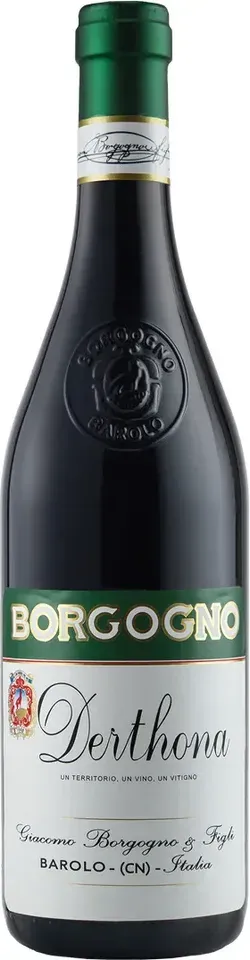
Timorasso (Colli Tortonesi Derthona)
Region: Piedmont
Tasting notes
- Timorasso
- Pear, peach and acacia
- Honey with age
- Full body
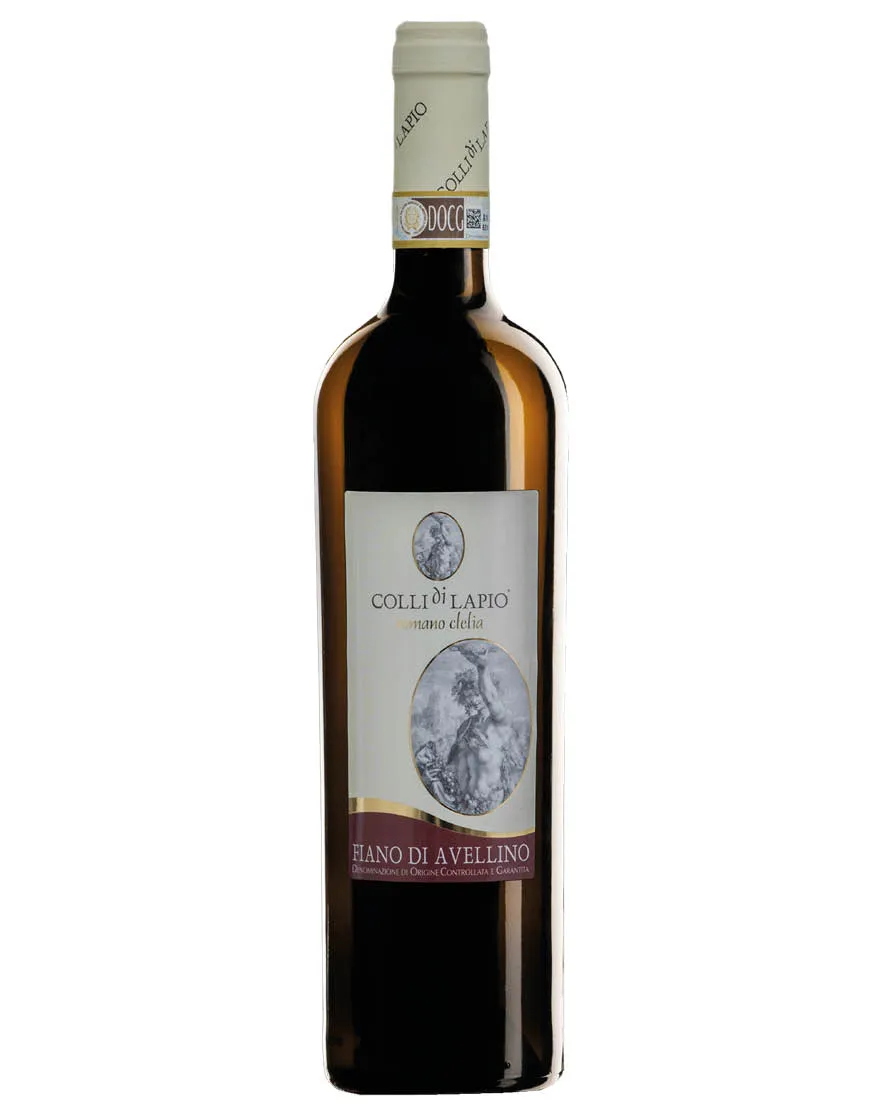
Fiano di Avellino DOCG
Region: Campania
Tasting notes
- Fiano
- Apple and apricot
- Mineral and fresh
- Ages well
Conclusion
Timorasso is proof that a forgotten grape can become a great wine again. From a few rows in Monleale in the late 1980s, it has become the flagship white of the Colli Tortonesi, and one of the most interesting whites in Italy.
Open a young one with risotto or a roast chicken. Then keep a bottle for five years and taste how it changes.
Frequently asked questions
What does Derthona mean on a Timorasso label?
Derthona is the ancient name of Tortona, the town at the heart of the Colli Tortonesi in Piedmont. Producers use it on their labels to identify Timorasso from this area. So a bottle labelled "Colli Tortonesi Timorasso Derthona" is a Timorasso from the hills around Tortona.
Does Timorasso age well?
Yes, it is one of the Italian whites that improve most in the bottle. Young, it shows pear, peach and citrus with fresh acidity. After a few years it gains honey, almond and hydrocarbon (petrol-like) notes, which remind many tasters of Riesling. Walter Massa, the grower who revived it, found that the longer the wine aged, the better it became.
Is Timorasso sweet?
No. Timorasso is normally a dry white wine. Its ripe fruit, honeyed notes and alcohol of around 13.5–14% can give an impression of richness, but the acidity keeps it fresh and the finish is dry.
How we put this article together
We have not tasted every bottle we mention. Tasting notes and scores come from the sources we name: the producer's technical sheet, the retailer's listing or a critic, always credited.
Shop links may earn us a commission at no extra cost to you. No retailer pays to be included, and a commission never decides what we recommend. How we work with retailers