Wine Guide
Barolo vs Barbaresco: How Piedmont's Nebbiolo Wines Differ
Barolo vs Barbaresco: both are Nebbiolo from Piedmont, but ageing, structure and price differ. Learn which to choose and the best bottles to try.
 By Leandro ScarpattiPublished on
Advertising: this article contains links to online shops that may be affiliate links. If you buy through them, we may earn a commission, at no extra cost to you. How we work with retailers
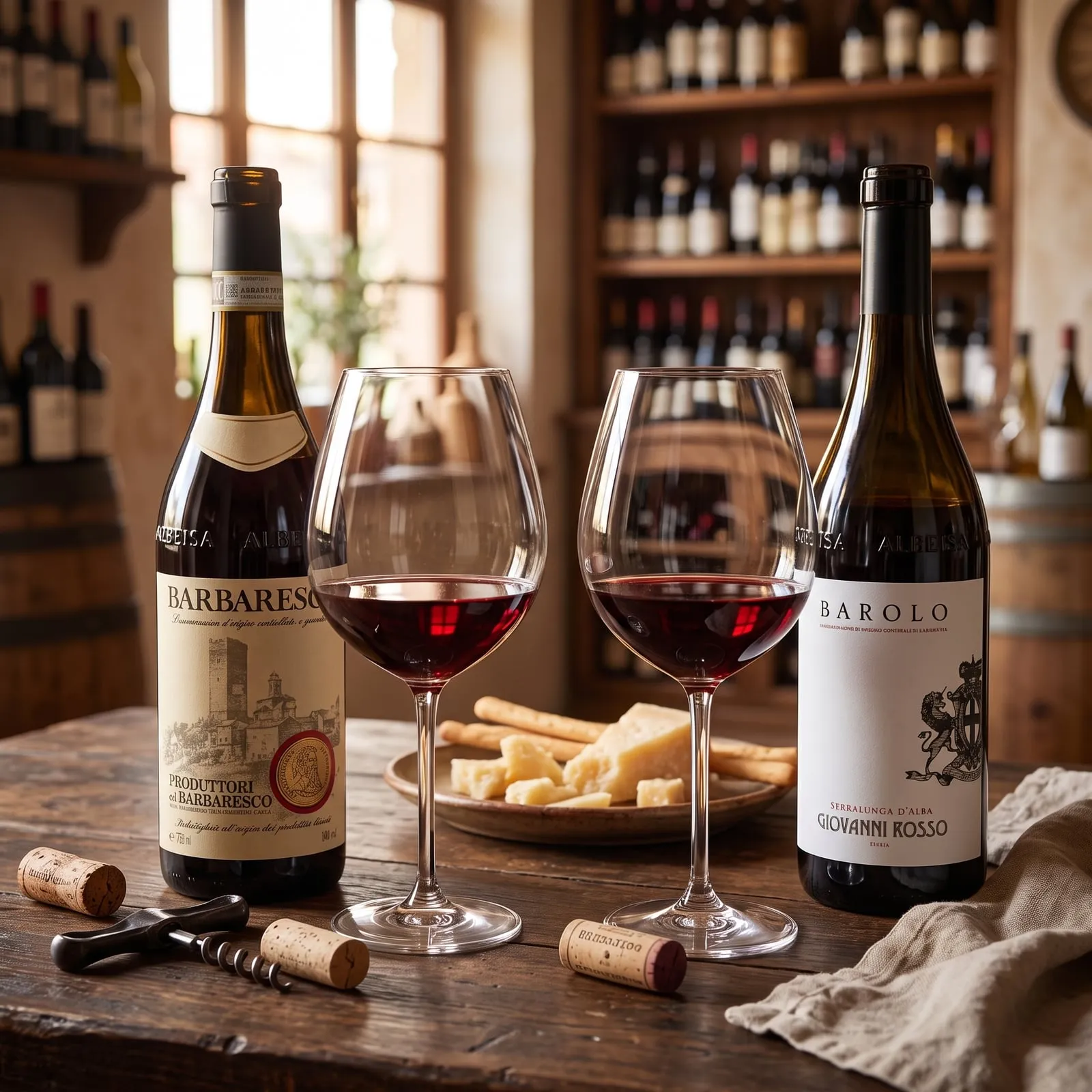
The short answer: Barolo and Barbaresco are both 100% Nebbiolo from the Langhe hills in Piedmont, but Barolo must age at least 38 months (18 in wood) before release, while Barbaresco needs only 26 months (9 in wood). Barolo is usually more powerful and tannic; Barbaresco is more elegant, more approachable when young and often a few euros cheaper.
The two zones sit only about 15 km apart, on either side of the town of Alba. Same grape, same tradition, often the same winemaking philosophy.
So why do they taste different? Soil, climate and time. Here is what each one means in your glass.
What the rules say
Both are DOCG wines with strict production rules. The key differences are the minimum ageing periods and the minimum alcohol.
| Barolo DOCG | Barbaresco DOCG | |
|---|---|---|
| Grape | 100% Nebbiolo | 100% Nebbiolo |
| Minimum ageing | 38 months, of which 18 in wood | 26 months, of which 9 in wood |
| Riserva | 62 months, of which 18 in wood | 50 months, of which 9 in wood |
| Minimum alcohol | 13% | 12.5% |
| Main villages | Barolo, La Morra, Castiglione Falletto, Monforte d’Alba, Serralunga d’Alba and others | Barbaresco, Neive, Treiso and part of Alba |
| Vineyard area | Roughly three times larger | Small, compact zone |
| Price tier | €€–€€€ (Riserva and top crus €€€) | €€–€€€ (Riserva and top crus €€€) |
Ageing is counted from 1 November of the harvest year. The rules require wood but do not specify the type, so you will find both large Slavonian oak casks (botti) and French barriques.
Both zones also use official vineyard names, the MGA (Menzioni Geografiche Aggiuntive). Names like Cannubi in Barolo or Rabajà in Barbaresco on the label point to a specific cru.
Why they taste different
Barbaresco sits closer to the Tanaro river, at slightly lower average altitude. The warmer microclimate ripens Nebbiolo a little earlier, which tends to give softer tannins.
Barolo spans more varied hills and soils. The sandier, calcareous marls of La Morra and Barolo give perfumed, graceful wines. The more compact soils of Serralunga and Monforte give the most structured, long-lived Barolos.
Add the longer minimum ageing, and Barolo is generally the bigger, more austere wine in its youth. Barbaresco shows its charm earlier.
How they taste
Barolo is often called the “king of wines”. Expect rose, tar, red cherry, dried herbs and liquorice. The tannins are firm and grippy, the acidity high and the finish long. With age come truffle, leather and dried rose.
Barbaresco shares the same aromatic family but shows it with more finesse. Think red cherry, raspberry, violet, rose petals and sweet spice. Tannins are still present but usually finer and silkier.
Both have a pale, garnet-tinged colour that can surprise first-time drinkers. Do not judge Nebbiolo by its colour: the structure is in the tannins, not the pigment.
Side-by-side comparison
| Pros | Cons |
|---|---|
| Pros: Powerful structure: firm tannins, high acidity and a long finish | Cons: Usually austere when young and best after 8–10 years |
| Pros: Complex rose, tar, cherry and liquorice, turning to truffle and leather with age | Cons: Higher prices, especially for named crus and Riserva |
| Pros: Exceptional ageing potential, with Riserva aged at least 62 months before release | Cons: Needs decanting and rich food to show its best |
| Pros | Cons |
|---|---|
| Pros: Elegant and perfumed: red cherry, violet and rose petals | Cons: Generally slightly less power and longevity than top Barolo |
| Pros: Finer tannins and approachable sooner, from about 5–7 years | Cons: Small zone with limited production, so fewer bottles on shelves |
| Pros: Often better value, with Riserva aged at least 50 months | Cons: Still tannic in its first years, not an easy-drinking red |
Which one to choose
Pick Barolo for a special dinner or for your cellar. It needs serious food: braised beef in Barolo, roast lamb, game, aged cheeses and anything with white truffle.
Pick Barbaresco if you want Nebbiolo character sooner or with lighter dishes. It works beautifully with tajarin with butter and truffle, veal, mushroom risotto or roast duck.
Serve both at around 16–18 °C in a large glass. Decant young bottles for one to two hours.
Where to buy
Instead of pushing a single label, we link to the full Barolo and Barbaresco selections on Vino.com, so you can compare producers, vintages and prices yourself. The tasting notes below describe each wine at its classic best.
Shop links may earn us a commission at no extra cost to you.
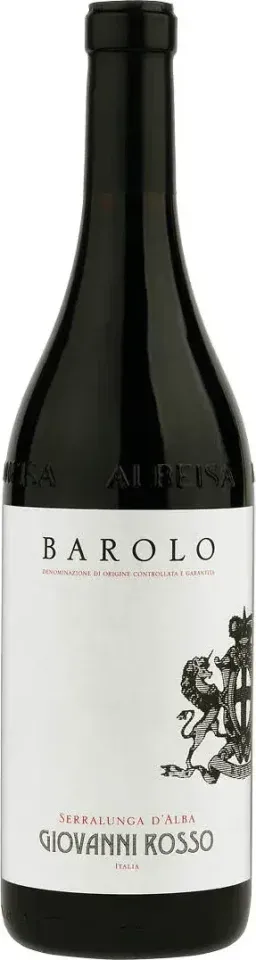
Barolo DOCG
Region: Barolo, Piedmont
Tasting notes
- Rose and violet
- Red cherry
- Liquorice and spice
- Firm, fine-grained tannins
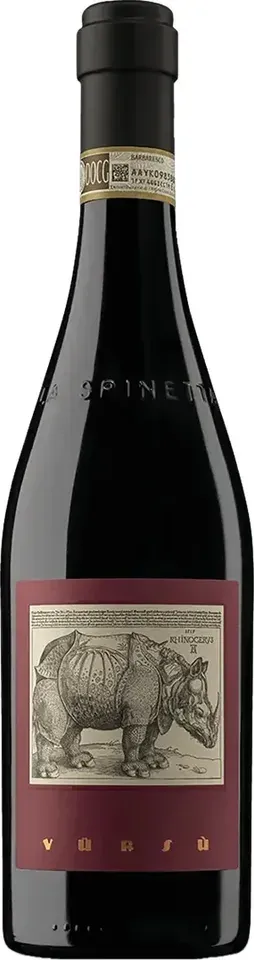
Barbaresco DOCG
Region: Barbaresco, Piedmont
Tasting notes
- Red cherry and raspberry
- Rose petals
- Dried herbs
- Silky, elegant tannins
Conclusion
Barolo and Barbaresco are two faces of the same grape. Barolo is the structured, long-lived giant that rewards patience. Barbaresco is the more graceful sibling that shows its beauty sooner and often for less money.
If you are new to Nebbiolo, open a Barbaresco first, then a Barolo from the same vintage. Tasting them side by side is the best lesson Piedmont can give you.
Frequently asked questions
Is Barolo better than Barbaresco?
Not better, just different. Barolo is usually more powerful and tannic and needs more time in bottle. Barbaresco is often more elegant and approachable sooner. Top producers in both zones make world-class wines, so the producer matters more than the name.
How long should you age Barolo and Barbaresco?
A classic Barolo starts to open up around 8 to 10 years after the harvest and the best can age for 20 to 30 years or more. Barbaresco is often enjoyable from about 5 to 7 years and keeps well for 15 to 25 years.
Are Barolo and Barbaresco made from the same grape?
Yes. Both DOCGs require 100% Nebbiolo. The differences come from the soils, the microclimate and the ageing rules, not from the grape.
How we put this article together
We have not tasted every bottle we mention. Tasting notes and scores come from the sources we name: the producer's technical sheet, the retailer's listing or a critic, always credited.
Shop links may earn us a commission at no extra cost to you. No retailer pays to be included, and a commission never decides what we recommend. How we work with retailers