Wine Guide
Ruby vs Tawny Port: The Difference and Which to Buy
Ruby or Tawny Port? How Portugal's fortified wine is made, how the two styles taste, which foods they suit, how to serve them and how long they keep.
 By Leandro ScarpattiPublished on
Advertising: this article contains links to online shops that may be affiliate links. If you buy through them, we may earn a commission, at no extra cost to you. How we work with retailers
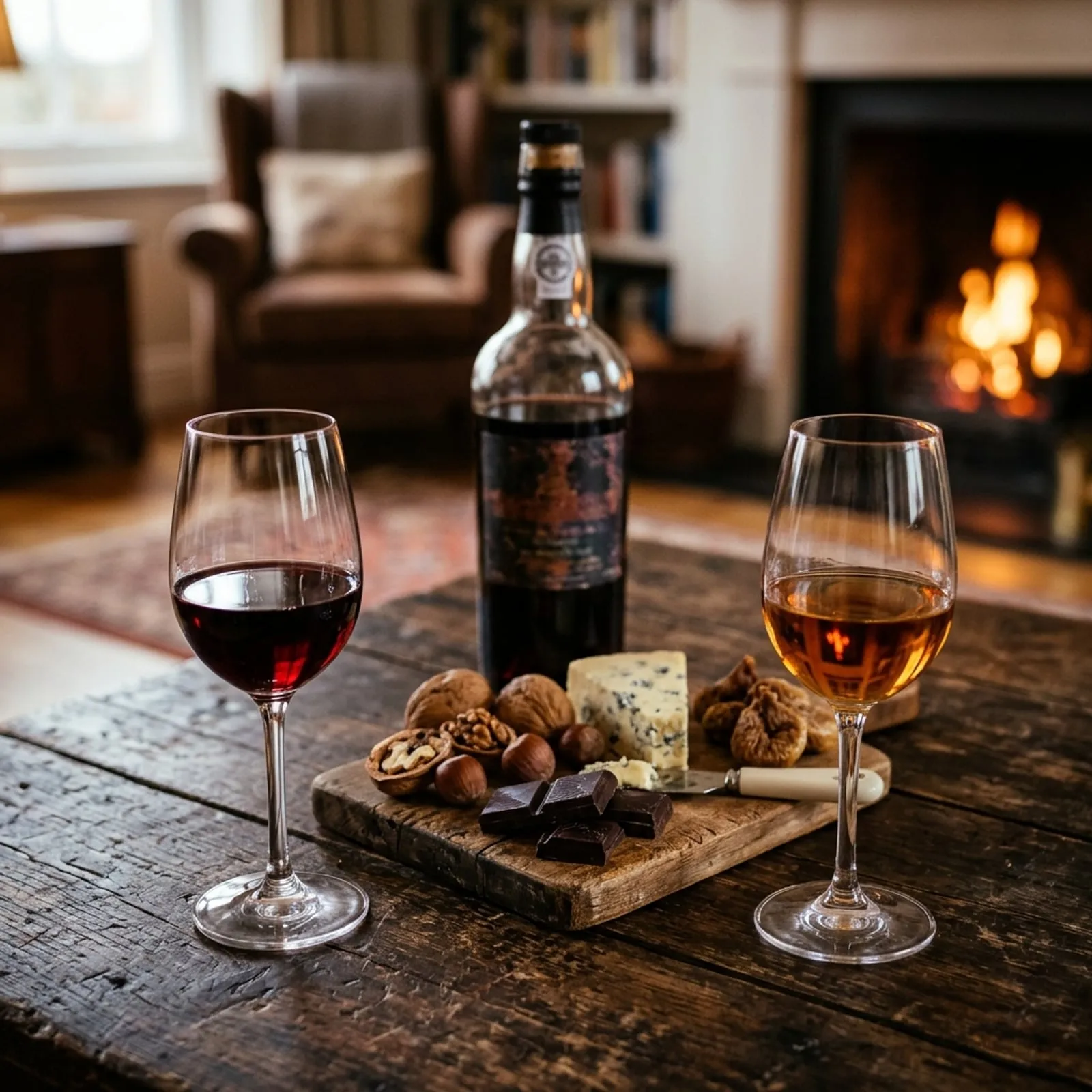
The short answer: Port is a sweet fortified wine from the Douro Valley in northern Portugal, and Ruby and Tawny are its two main styles. Ruby Port ages for a short time in large vats, so it stays deep red and tastes of fresh cherry, blackberry and plum. Tawny Port ages for years in small wooden casks, turns amber and tastes of hazelnut, dried fig, caramel and toffee. Choose Ruby with dark chocolate and blue cheese, Tawny with nuts, caramel desserts and aged cheese.
Port is one of Europe’s great after-dinner wines, and winter is its season. But a bottle of Ruby and a bottle of Tawny can feel like two different drinks. Here is how they differ.
How Port is made
Port comes from the steep, terraced vineyards of the Douro Valley. The main grapes are Touriga Nacional, Touriga Franca, Tinta Roriz (Tempranillo), Tinta Barroca and Tinto Cão.
The key step is fortification. Halfway through fermentation, the winemaker adds a neutral grape spirit. This stops the yeasts, so part of the grape sugar stays in the wine, and raises the alcohol to around 19–22%. That is why Port is both sweet and strong.
What happens next decides the style: how long the wine ages, and in what kind of container.
Ruby and Tawny at a glance
| Ruby Port | Tawny Port | |
|---|---|---|
| Ageing | Usually 2–3 years in large vats or tanks | Several years in small casks, often far longer |
| Contact with air | Very little: the fruit stays fresh | Slow, gentle oxidation through the wood |
| Colour | Deep ruby red | Amber, mahogany, golden brown |
| Aromas | Cherry, blackberry, plum, cocoa | Hazelnut, walnut, dried fig, caramel, orange peel |
| Texture | Rich and fruity | Silky and mellow |
| Premium versions | Reserve Ruby, Late Bottled Vintage (LBV), Vintage | 10, 20, 30, 40 Years Old, Colheita (single harvest) |
| Once opened | About 1–2 weeks | About 3–4 weeks |
| Price tier | € | €–€€ (aged Tawny €€–€€€) |
Ruby Port: young and fruity
Ruby is the youngest and most fruit-forward style. It ages in large vats, where little air reaches the wine, and is bottled ready to drink. It is a sweet, deep red wine with cherry, blackberry, plum and a touch of cocoa.
The same family includes more serious wines. A Reserve Ruby is richer. A Late Bottled Vintage (LBV) comes from a single year and spends four to six years in wood before bottling. Vintage Port, made only in the best years, ages for decades in the bottle.
Tawny Port: nuts and caramel
Tawny ages in small oak casks, called pipes, where the wine slowly meets air through the wood. Over the years the colour fades from red to amber, and the fruit turns into hazelnut, walnut, dried fig, caramel and candied orange.
A basic Tawny is younger and lighter. A Tawny with an age indication (10, 20, 30 or 40 Years Old) is a blend that matches the character of a wine aged that long, and each step up is more complex and concentrated. A Colheita is a Tawny from a single harvest, with the year on the label.
Side by side
| Pros | Cons |
|---|---|
| Pros: Fresh, generous dark fruit | Cons: Less complex than an aged Tawny |
| Pros: The best match for chocolate and blue cheese | Cons: Fades faster once the bottle is open |
| Pros: Easy to find in the € tier | Cons: Too sweet for some savoury dishes |
| Pros | Cons |
|---|---|
| Pros: Complex nutty, caramel and dried fruit flavours | Cons: Aged Tawny with an age indication costs more |
| Pros: Keeps for weeks after opening | Cons: Less fresh fruit than a Ruby |
| Pros: Very versatile with desserts and cheese | Cons: Basic Tawny can be simple and light |
Which one with which food
| Dish | Best choice | Why |
|---|---|---|
| Dark chocolate, chocolate cake | Ruby | Dark fruit and sweetness stand up to cocoa |
| Stilton, gorgonzola, Roquefort | Ruby | The classic salty and sweet match |
| Berry tart, black forest cake | Ruby | Fruit with fruit |
| Walnuts, almonds, hazelnut cake | Tawny | Nutty wine with nutty food |
| Crème brûlée, flan, caramel desserts | Tawny | Caramel notes on both sides |
| Aged cheddar, Parmigiano, aged Manchego | Tawny | Mellow sweetness against hard, salty cheese |
| Apple pie, pastéis de nata | Tawny | Dried fruit and spice suit pastry |
| Panettone and Christmas cakes | Tawny | Candied orange and raisins love nutty wine |
For more cheese ideas, read our wine with cheese guide. For Italian Christmas cakes, see the best wine with panettone.
How to serve Port
Serve Ruby slightly cool, at 14–16 °C, and Tawny chilled, at 10–14 °C. A small wine glass works better than a tiny liqueur glass, because it lets the aromas open. Pour small servings: around 60–75 ml.
Basic Ruby and Tawny need no decanting. A Vintage Port throws a deposit and should be decanted carefully. After opening, close the bottle well and keep it in the fridge. Our guide to how long wine lasts after opening covers sweet and fortified wines too.
Where to buy
Instead of pushing one bottle, we send you to the full Port selection on Vino.com, where you can choose between Ruby and Tawny styles, producers and ages. The notes below describe each style.
Shop links may earn us a commission at no extra cost to you.
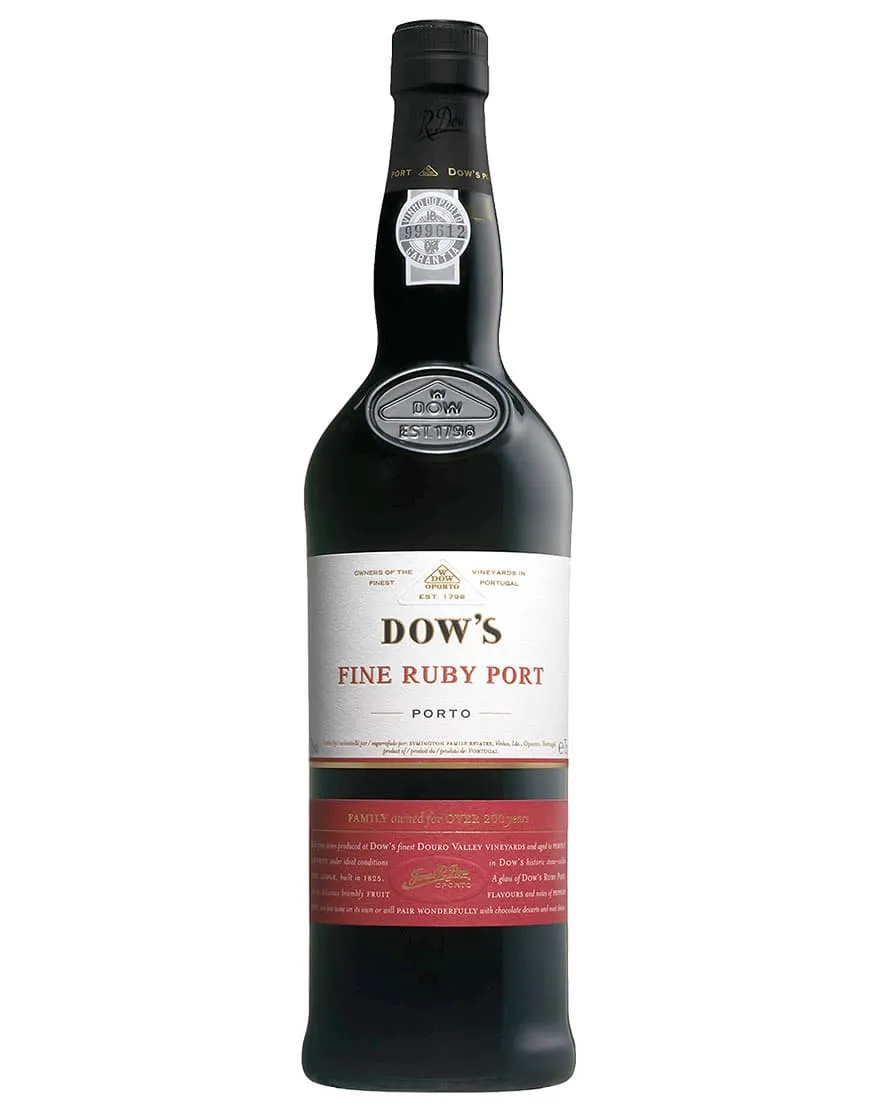
Ruby Port
Region: Douro, Portugal
Tasting notes
- Cherry and blackberry
- Plum and cocoa
- Sweet and fruity
- Full body
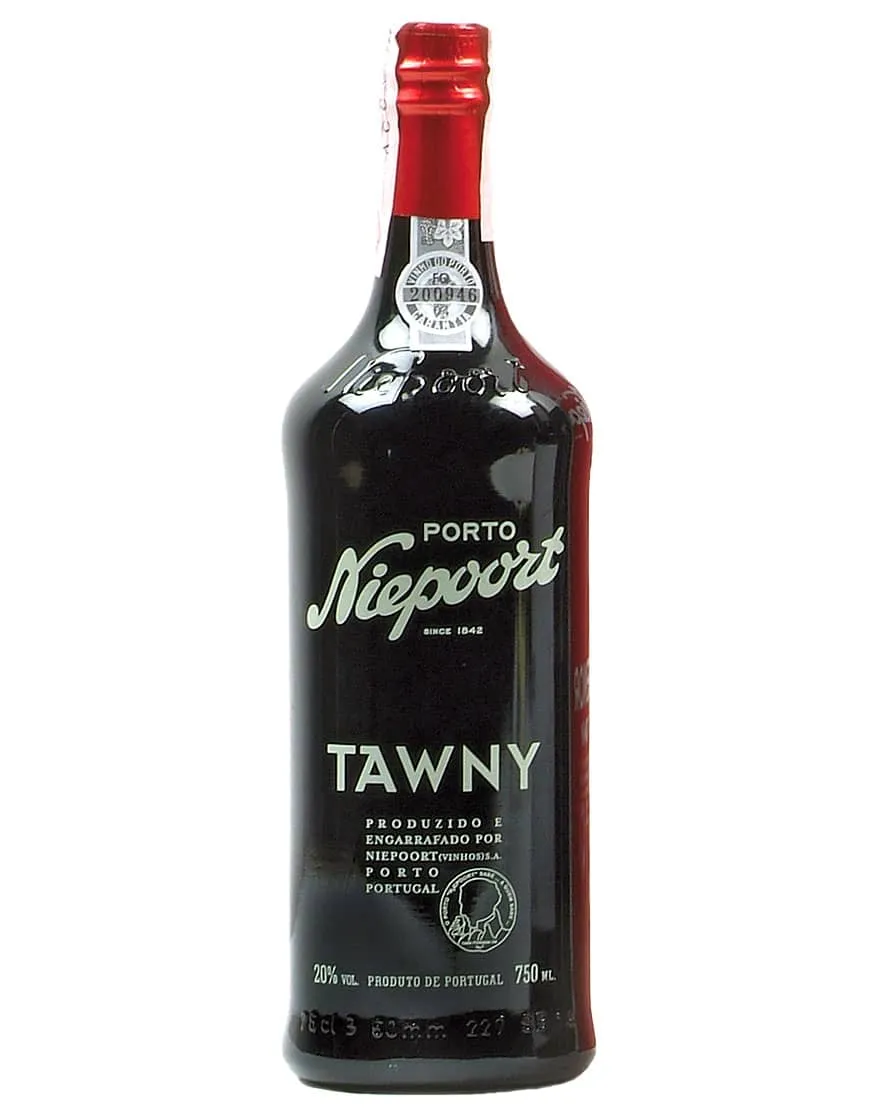
Tawny Port
Region: Douro, Portugal
Tasting notes
- Hazelnut and walnut
- Dried fig and caramel
- Candied orange
- Silky and mellow
Verdict
Ruby and Tawny are two faces of the same wine. Ruby is young, dark and fruity, the bottle to open with chocolate or a piece of blue cheese. Tawny is mellow and nutty, made for walnuts, caramel desserts and long winter evenings.
If you are new to Port, buy one of each and taste them side by side. If you want a single bottle for the holidays, a Tawny with an age indication is the most versatile choice, and it keeps for weeks once opened.
Frequently asked questions
Is Tawny Port better than Ruby Port?
Neither is better: they are two styles. Ruby is young, deep red and full of fresh dark fruit. Tawny has spent years in small casks and tastes of nuts, caramel and dried fruit. An aged Tawny with an age indication, such as 10 or 20 years old, usually costs more than a basic Ruby.
How long does Port last once opened?
Longer than table wine, thanks to its higher alcohol. Keep the bottle closed in the fridge or a cool place: a Ruby stays good for about one to two weeks, a Tawny for three to four weeks, because it has already aged in contact with air.
What does "10 Years Old" mean on a Tawny Port?
It is an indication of age and style, not the exact age of every drop. The wine is a blend of several vintages whose character matches that of a Tawny aged around ten years in cask. The other indications are 20, 30 and 40 years old.
How we put this article together
We have not tasted every bottle we mention. Tasting notes and scores come from the sources we name: the producer's technical sheet, the retailer's listing or a critic, always credited.
Prices are indicative. In our tables, € means up to about €25, €€ about €25–50 and €€€ above €50, based on what these wines typically cost in European shops. When a review quotes a price, it is the price we saw on the retailer's page on the date shown. Check the current price and availability before you buy.
Shop links may earn us a commission at no extra cost to you. No retailer pays to be included, and a commission never decides what we recommend. How we work with retailers