Wine Guide
Best Wine with Cheese: How to Pair a Holiday Cheese Board
Which wine goes with cheese? Bubbles with fresh and soft cheeses, Chianti with pecorino, Lambrusco or Amarone with Parmigiano, a passito with Gorgonzola.
 By Leandro ScarpattiPublished on
Advertising: this article contains links to online shops that may be affiliate links. If you buy through them, we may earn a commission, at no extra cost to you. How we work with retailers
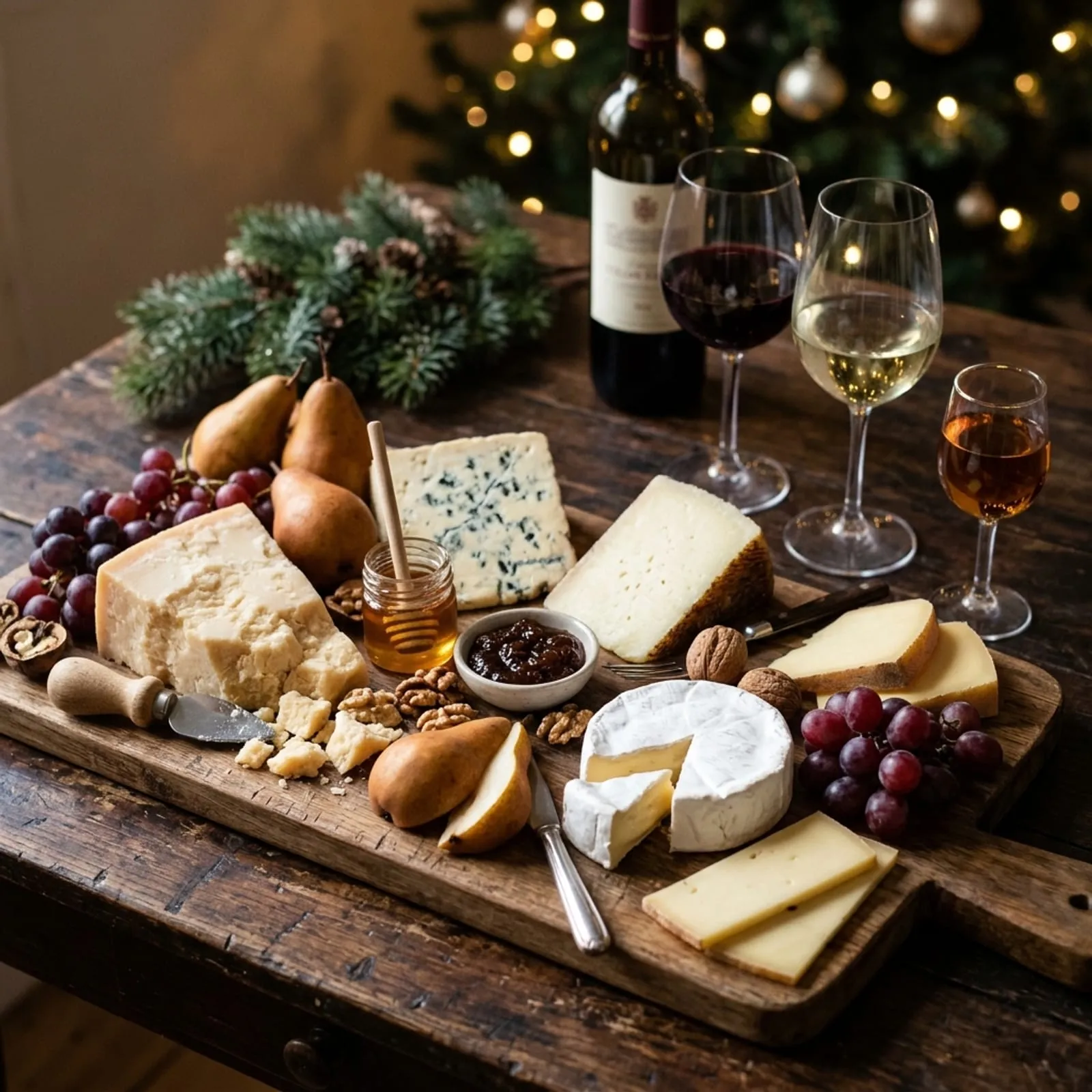
The short answer: the best wine with cheese depends on the cheese. Fresh and soft cheeses go with crisp whites and sparkling wines; semi-hard cheeses such as pecorino with medium reds like Chianti Classico; long-aged Parmigiano Reggiano with Lambrusco when younger or Amarone and Barolo when older; and blue cheeses such as Gorgonzola with a sweet wine like Passito di Pantelleria. For a mixed holiday board, serve three bottles: bubbles, a red and a sweet wine.
Wine and cheese is a classic pairing, but not every match works. A big, tannic red can taste harsh next to a soft, creamy cheese, and a delicate white disappears next to a strong blue.
At Christmas and New Year, the cheese board is often the longest course of the meal, with very different cheeses side by side. Here is how to choose a wine for each one, and how to cover the whole board without opening ten bottles.
What cheese asks of a wine
Fat coats the mouth. Acidity and bubbles cut through it and keep each bite fresh.
Salt grows with age. Salty cheeses love a touch of sweetness or ripe fruit in the wine, which is why blue cheese and sweet wine are a famous match.
Intensity decides the rest. A fresh mozzarella and a Parmigiano aged 36 months have nothing in common. The older and harder the cheese, the more structure the wine can have.
Tannin is the main risk. Strong tannins clash with fresh, soft and creamy cheeses, leaving a harsh, metallic taste. They work better with hard, aged cheeses, whose crystals and savoury flavour soften them.
Which wine for each cheese
| Cheese | Wine | Why it works | Price tier |
|---|---|---|---|
| Mozzarella, burrata and ricotta | Falanghina del Sannio or Prosecco | Light, fresh wines for delicate, milky cheeses | € |
| Fresh goat cheese | Verdicchio dei Castelli di Jesi | High acidity for a tangy, creamy cheese | € |
| Brie, Camembert and other soft bloomy-rind cheeses | Champagne or Franciacorta | Bubbles and acidity cut the creamy texture | €€–€€€ |
| Taleggio and Fontina | Barbera d’Asti or Petite Arvine from Valle d’Aosta | Fresh acidity and soft tannins for rich, washed-rind cheeses | €–€€ |
| Pecorino Toscano and Pecorino Romano | Chianti Classico | Savoury Sangiovese for salty sheep’s cheese | €–€€ |
| Parmigiano Reggiano, about 24 months | Lambrusco Grasparossa or Franciacorta | Bubbles and fresh fruit against salt and fat | €–€€ |
| Parmigiano Reggiano, 36 months or more | Amarone della Valpolicella or Barolo | Structured reds for a hard, intense, crystalline cheese | €€€ |
| Comté, Gruyère and other Alpine cheeses | Petite Arvine from Valle d’Aosta or Pinot Bianco from Alto Adige | Fresh mountain whites for nutty, firm cheeses | €–€€ |
| Gorgonzola and other blue cheeses | Passito di Pantelleria | Sweetness balances salt and the spicy blue veins | €€–€€€ |
Prices are typical retail ranges for each category and vary by producer and vintage.
Fresh and soft cheeses: whites and bubbles
Mozzarella, burrata and ricotta are milky and delicate. A light white such as Falanghina or a Prosecco keeps them fresh without covering their flavour. A red would overwhelm them.
Fresh goat cheese is tangy and creamy. It needs a white with high acidity, such as Verdicchio dei Castelli di Jesi. Sauvignon Blanc is the classic French choice for the same reason.
Brie, Camembert and other soft cheeses with a white rind are rich and buttery. A dry sparkling wine is the best match: Champagne or Franciacorta cut through the cream with bubbles and acidity. Our guide to Prosecco vs Franciacorta explains the difference between the two Italian styles.
Semi-hard and washed-rind cheeses: medium reds
Pecorino Toscano and the saltier Pecorino Romano are sheep’s milk cheeses with a savoury, slightly piquant taste. A Chianti Classico is the Tuscan answer: its fresh acidity and savoury tannins match the salt. To understand the levels of Chianti, see Chianti Classico vs Riserva.
Taleggio and Fontina are soft to semi-soft cheeses with a strong smell and a mild, rich taste. A Barbera d’Asti, with high acidity and soft tannins, handles them well. From the mountains of Valle d’Aosta, where Fontina is made, a fresh Petite Arvine is a lovely white alternative.
Parmigiano Reggiano: Lambrusco or Amarone
Parmigiano Reggiano is the king of Italian cheeses, and its age changes the pairing.
A younger Parmigiano, around 24 months, is still quite moist and milky. In Emilia, its home, the local match is a dry Lambrusco Grasparossa: dark, fruity and gently sparkling, it cleans the palate after each piece. A Franciacorta works for the same reason.
A long-aged Parmigiano, 36 months or more, is drier, more intense and full of crunchy crystals. It can take a structured red. Amarone della Valpolicella, rich and velvety, is a famous match; a Barolo also works. For the difference between Amarone and its little brother, see Amarone vs Ripasso.
Alpine cheeses: fresh mountain whites
Comté, Gruyère and other firm Alpine cheeses have nutty, slightly sweet flavours. Fresh mountain whites such as Petite Arvine from Valle d’Aosta or Pinot Bianco from Alto Adige suit them perfectly. The same wines work when these cheeses are melted, as we explain in our guide to wine with fondue and raclette.
Blue cheeses: sweet wines
Salt and sweetness are a perfect couple. With Gorgonzola, especially the stronger piccante style, pour a sweet wine. Passito di Pantelleria, made from dried Zibibbo grapes in Sicily, has dried apricot, honey and candied orange notes that balance the salt and the spicy blue veins. Recioto di Soave from the Veneto is another good Italian choice. Outside Italy, the classic matches are Sauternes with Roquefort and Port with Stilton.
White vs red with cheese: side by side
| Pros | Cons |
|---|---|
| Pros: Works with fresh, soft, goat and Alpine cheeses | Cons: Can feel thin next to a long-aged Parmigiano |
| Pros: Acidity and bubbles cut through creamy textures | Cons: Not enough sweetness for strong blue cheeses |
| Pros: Lighter at the end of a big holiday meal |
| Pros | Cons |
|---|---|
| Pros: Great with semi-hard and long-aged cheeses | Cons: Firm tannins clash with fresh and creamy cheeses |
| Pros: Savoury and fruity flavours match salty sheep and cow cheeses | Cons: Overpowers delicate cheeses like mozzarella and burrata |
| Pros: The natural choice if the red from the main course is still open |
How to build a holiday cheese board
Take the cheese out of the fridge about an hour before serving: cold cheese has little flavour. Arrange the cheeses from the mildest to the strongest, and taste them in that order.
For the wine, three bottles cover almost any board:
- A sparkling wine such as Franciacorta or Champagne for fresh and soft cheeses, served at 8 to 10 °C.
- A medium red such as Chianti Classico or Barbera for semi-hard and aged cheeses, served at 16 to 18 °C.
- A sweet wine such as Passito di Pantelleria for the blue cheese, served at 10 to 12 °C.
Honey, fig jam, pears and walnuts on the side are good bridges between cheese and wine. For the rest of the holiday menu, see our Christmas dinner wine guide.
Where to buy
Two bottles we would start with for a holiday cheese board: a structured red for aged Parmigiano and a sweet wine for Gorgonzola. The buttons take you to the full Amarone della Valpolicella and Passito di Pantelleria selections on Vino.com, where you can compare producers, vintages and prices.
Shop links may earn us a commission at no extra cost to you.

Amarone della Valpolicella DOCG
Region: Valpolicella, Veneto
Tasting notes
- Dried cherry and raisin
- Cocoa and tobacco
- Velvety tannins
- Full body

Passito di Pantelleria DOC
Region: Pantelleria, Sicily
Tasting notes
- Dried apricot and dates
- Honey
- Candied orange peel
- Rich and sweet
For more pairings by type of food, see our food and wine pairing guide.
Conclusion
With cheese, match the wine to the cheese, not the other way round. Fresh and soft cheeses want crisp whites and bubbles. Pecorino and Taleggio want a medium red such as Chianti Classico or Barbera. Parmigiano wants Lambrusco when younger and Amarone when older. Gorgonzola wants a sweet Passito.
For a mixed holiday board, keep it simple: one sparkling wine, one red and one sweet wine.
Frequently asked questions
Is red or white wine better with cheese?
White wine goes with more cheeses than most people think. Fresh, soft and creamy cheeses, goat cheese and Alpine cheeses such as Comté are often better with a crisp white or a sparkling wine. Reds shine with semi-hard and long-aged cheeses such as pecorino and Parmigiano Reggiano. Blue cheeses are best with a sweet wine.
What wine goes with Parmigiano Reggiano?
It depends on its age. A younger Parmigiano, around 24 months, is lovely with a dry Lambrusco or a Franciacorta, whose bubbles cut the fat. A long-aged Parmigiano of 36 months or more can take a structured red such as Amarone della Valpolicella or Barolo.
Which wine should I serve with a mixed cheese board?
For a board with several cheeses, open three bottles rather than looking for one perfect wine: a sparkling wine such as Franciacorta for the fresh and soft cheeses, a medium red such as Chianti Classico or Barbera for the semi-hard and aged ones, and a sweet wine such as Passito di Pantelleria for the blue cheese.
How we put this article together
We have not tasted every bottle we mention. Tasting notes and scores come from the sources we name: the producer's technical sheet, the retailer's listing or a critic, always credited.
Prices are indicative. In our tables, € means up to about €25, €€ about €25–50 and €€€ above €50, based on what these wines typically cost in European shops. When a review quotes a price, it is the price we saw on the retailer's page on the date shown. Check the current price and availability before you buy.
Shop links may earn us a commission at no extra cost to you. No retailer pays to be included, and a commission never decides what we recommend. How we work with retailers