Wine Guide
Best Wine with Fish and Seafood: From Oysters to the Christmas Eve Feast
Which wine goes with fish? Verdicchio and Vermentino with white fish and clams, bubbles with fried fish and oysters, rosé or a light red with tuna and salmon.
 By Leandro ScarpattiPublished on
Advertising: this article contains links to online shops that may be affiliate links. If you buy through them, we may earn a commission, at no extra cost to you. How we work with retailers
The short answer: the best wine with fish is a crisp, unoaked white with fresh acidity, such as Verdicchio dei Castelli di Jesi or Vermentino di Gallura. Its acidity works like a squeeze of lemon. With oysters and fried fish, choose a dry sparkling wine; with rich fish or creamy sauces, a fuller white such as Fiano di Avellino; with tuna and salmon, a rosé or a light, low-tannin red. Avoid big tannic reds.
Fish is delicate food, and the wine has to respect that. A heavy, oaky or very tannic wine covers the flavour of a sea bass in one sip.
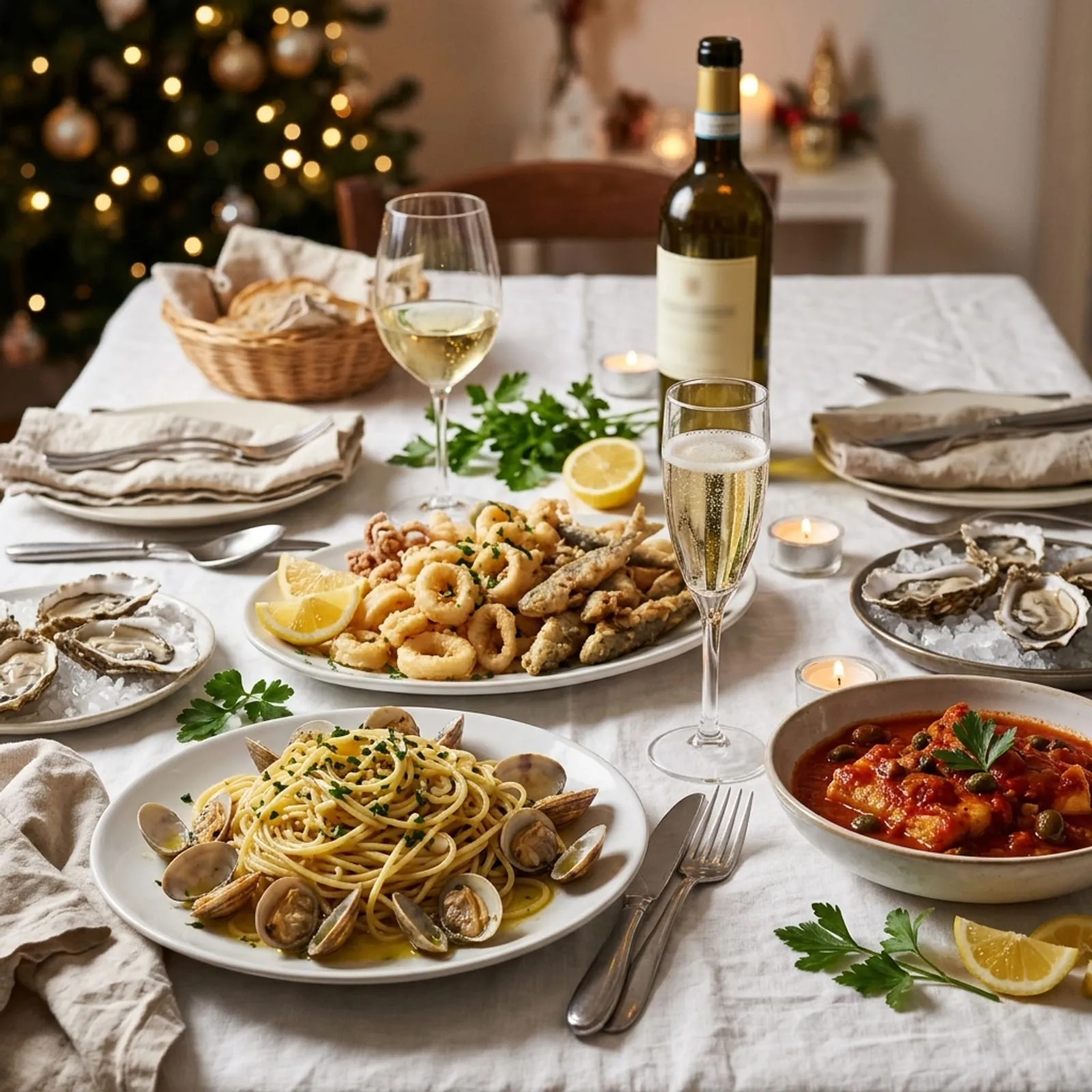
The rules matter most at Christmas. In southern Italy, the dinner on Christmas Eve is traditionally a meal without meat, built around fish: seafood starters, spaghetti with clams, fried fish, salt cod (baccalà) and, in some families, eel. Italian Americans call it the Feast of the Seven Fishes. In Portugal, the Christmas Eve consoada centres on boiled salt cod. One table, many kinds of fish: here is how to pour for all of them.
What fish asks of a wine
Acidity is the key. Lemon goes with fish for a reason: it brightens the flavour and cuts the fat. A wine with fresh acidity does the same job.
Tannin is the main risk. The tannins of a structured red can react with fish oils and leave a metallic, bitter taste. That is why white wine became the default.
Weight decides the rest. A raw oyster and a salmon fillet in butter sauce are very different foods. Light fish wants a light wine; richer fish, rich sauces and roasting want a white with more body, or even a rosé.
Which wine for each fish
| Dish | Wine | Why it works | Price tier |
|---|---|---|---|
| Oysters and raw seafood (crudo) | Champagne or Franciacorta Brut | Very dry bubbles and a salty, chalky edge | €€–€€€ |
| Spaghetti with clams (vongole) | Verdicchio dei Castelli di Jesi or Falanghina del Sannio | Citrus and almond notes for garlic, parsley and sea salt | € |
| Grilled sea bass or bream | Vermentino di Gallura | Fresh, herbal and slightly salty, like the Mediterranean | € |
| Fried fish and fritto misto | Prosecco or Franciacorta | Bubbles clean the oil from the palate after each bite | €–€€ |
| Prawns, scampi and lobster | Fiano di Avellino | A fuller white for sweet, rich shellfish | €–€€ |
| Salt cod (baccalà) in tomato sauce | Cerasuolo d’Abruzzo or Etna Rosso | Fresh fruit and low tannin for a savoury, tomato-based dish | €–€€ |
| Tuna, swordfish and salmon | Cerasuolo d’Abruzzo or Etna Rosso | Meaty fish can take a rosé or a light red | €–€€ |
| Smoked salmon | Champagne or Franciacorta | Acidity and bubbles balance smoke and salt | €€–€€€ |
Prices are typical retail ranges for each category and vary by producer and vintage.
White fish and pasta with clams: Verdicchio and Vermentino
For most fish, start here. Verdicchio dei Castelli di Jesi, from the Marche on the Adriatic coast, has long been called the fish wine of Italy. It has lemon and green apple fruit, fresh acidity and a light bitter-almond finish that suits garlic and parsley. It is the classic match for spaghetti alle vongole.
Vermentino di Gallura, from the north of Sardinia, is a little softer and more aromatic, with herbs, white peach and a salty touch. Pour it with a grilled sea bass, a baked bream or a seafood risotto.
From Campania, Falanghina is another easy, good-value choice for simple seafood. We use it for white pizzas too, as we explain in our guide to wine with pizza.
Oysters and fried fish: bubbles
Raw oysters and crudo need a wine that is very dry and very fresh. A Champagne or a Franciacorta Brut or Extra Brut is the classic choice: the bubbles and the chalky, salty finish echo the sea. Among still wines, a crisp Etna Bianco from Sicily also works; we describe it in our Etna wine guide.
Fried food is where sparkling wine shines. With a fritto misto, fried calamari or the fried baccalà of Christmas Eve, the bubbles and acidity clean the oil from the palate and make the next bite taste fresh. A Prosecco is fruity and easy; a Franciacorta is drier and more refined. To choose, see Prosecco vs Franciacorta.
Shellfish and richer dishes: fuller whites
Prawns, scampi and lobster are sweet and rich. A very light white can taste thin next to them. Fiano di Avellino, from the hills of Irpinia in Campania, has more body, with notes of pear, hazelnut and honey, and still keeps fresh acidity. It also handles fish in butter or cream sauces.
Tuna, salmon and salt cod: rosé and light reds
Meaty fish change the rules. Tuna, swordfish and salmon have enough flavour and texture for a rosé or even a red, as long as the tannins are low.
Cerasuolo d’Abruzzo is a deep-coloured rosé made from Montepulciano grapes, with cherry fruit and fresh acidity. It is one of the most versatile fish wines in Italy. For a red, choose a light one such as Etna Rosso, served slightly cool.
Salt cod is one of the stars of Christmas Eve, in Italy and in Portugal. With baccalà stewed in tomato sauce, a Cerasuolo or a light red works well. In Portugal, many families drink red with the boiled bacalhau of the consoada; a fuller white such as Fiano is a good alternative with the olive oil and potatoes.
White vs rosé or light red with fish: side by side
| Pros | Cons |
|---|---|
| Pros: Fresh acidity that works like lemon on fish | Cons: Very light whites can taste thin with rich fish and cream sauces |
| Pros: Safe with almost every fish and shellfish | Cons: Must be served well chilled |
| Pros: Perfect with fried food, oysters and pasta with clams |
| Pros | Cons |
|---|---|
| Pros: Enough flavour for tuna, salmon, swordfish and salt cod | Cons: Too much for delicate white fish and raw seafood |
| Pros: Works with tomato-based fish dishes | Cons: Any red with firm tannins can taste metallic with fish |
| Pros: A good bridge if the meal also includes meat |
How to serve
Serve whites and sparkling wines at 8 to 10 °C, rosé at 10 to 12 °C and light reds slightly cool, at about 14 °C. Twenty minutes in the fridge is enough for an Etna Rosso.
For a long Christmas Eve dinner, open the sparkling wine with the starters and fried fish, move to the white with the pasta and the main fish, and keep a rosé or light red for tuna or salmon. For the rest of the holiday menu, see our Christmas dinner wine guide.
Where to buy
Two whites we would start with for fish and seafood. The buttons take you to the full Verdicchio dei Castelli di Jesi and Vermentino di Gallura selections on Vino.com, where you can compare producers, vintages and prices.
Shop links may earn us a commission at no extra cost to you.
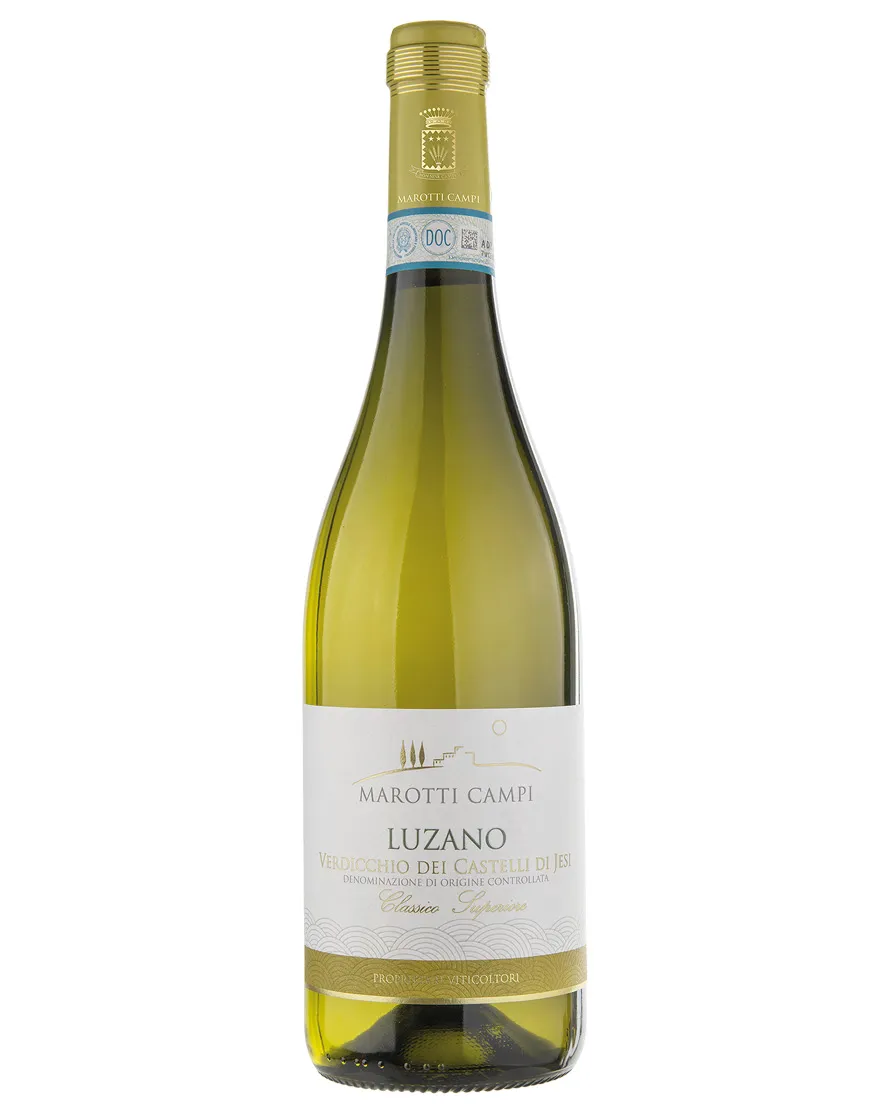
Verdicchio dei Castelli di Jesi DOC
Region: Marche
Tasting notes
- Verdicchio
- Lemon and green apple
- Fresh acidity
- Bitter-almond finish

Vermentino di Gallura DOCG
Region: Sardinia
Tasting notes
- Vermentino
- White peach and herbs
- Fresh and savoury
- Salty finish
For more pairings by type of food, see our food and wine pairing guide.
Conclusion
With fish, freshness wins. For white fish, shellfish and pasta with clams, pour a crisp Verdicchio or Vermentino. With oysters and fried fish, open a dry sparkling wine. With prawns, lobster and creamy sauces, choose a fuller Fiano. With tuna, salmon or salt cod in tomato, try a Cerasuolo d’Abruzzo or a light Etna Rosso.
Keep the big, tannic reds for the roast: next to fish, they lose.
Frequently asked questions
Can you drink red wine with fish?
Yes, with the right fish and the right red. Meaty fish such as tuna, swordfish or salmon go well with a light, low-tannin red such as Etna Rosso or Pinot Noir, served slightly cool. What to avoid are big, tannic reds: their tannins can react with fish oils and leave a metallic taste.
What wine goes with the Christmas Eve fish dinner?
One crisp white can cover most of the meal: a Verdicchio dei Castelli di Jesi or a Vermentino di Gallura works with seafood starters, spaghetti with clams and grilled fish. Add a sparkling wine such as Franciacorta or Champagne for oysters and fried fish, and a rosé or a light red if tuna or salmon is on the table.
Which wine goes with oysters?
Oysters want a very dry, high-acid wine with a mineral or salty edge. A dry sparkling wine such as Champagne or a Franciacorta Brut or Extra Brut is the classic choice. Among still wines, a crisp Etna Bianco or a Verdicchio also works well.
How we put this article together
We have not tasted every bottle we mention. Tasting notes and scores come from the sources we name: the producer's technical sheet, the retailer's listing or a critic, always credited.
Prices are indicative. In our tables, € means up to about €25, €€ about €25–50 and €€€ above €50, based on what these wines typically cost in European shops. When a review quotes a price, it is the price we saw on the retailer's page on the date shown. Check the current price and availability before you buy.
Shop links may earn us a commission at no extra cost to you. No retailer pays to be included, and a commission never decides what we recommend. How we work with retailers