Wine Guide
Best Wine with Pizza: What to Drink with Margherita, Diavola and More
Which wine goes with pizza? Chianti and Barbera with Margherita, Lambrusco with spicy salami, Falanghina with four cheeses, and why big oaky reds fail.
 By Leandro ScarpattiPublished on
Advertising: this article contains links to online shops that may be affiliate links. If you buy through them, we may earn a commission, at no extra cost to you. How we work with retailers
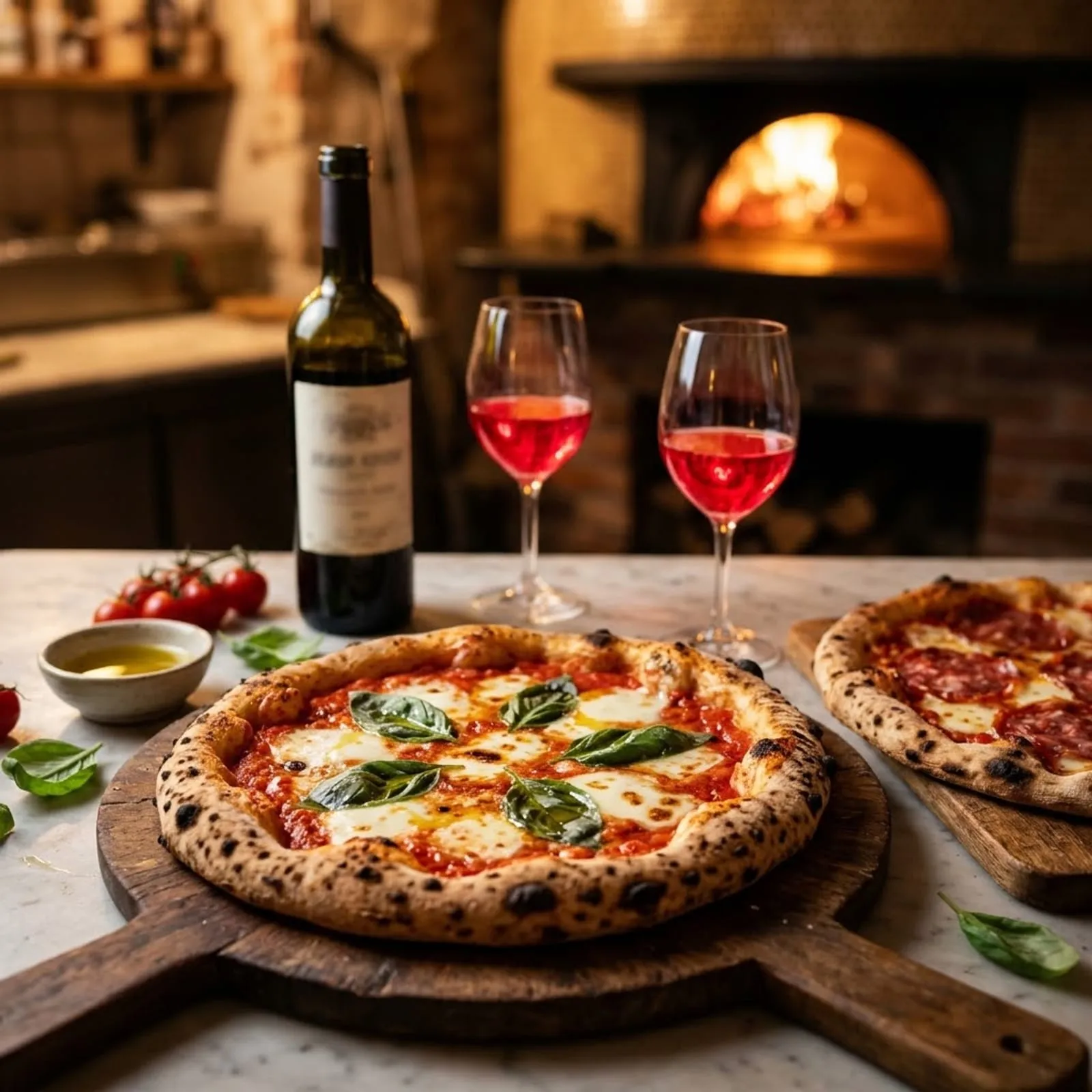
The short answer: the best wine with pizza is a fresh, medium-bodied Italian red with good acidity and soft tannins, such as Chianti, Barbera d’Asti or Montepulciano d’Abruzzo. Their acidity matches the tomato sauce and they do not overpower the cheese. With spicy salami, choose a dry Lambrusco; with white pizzas and four cheeses, a crisp Falanghina or a sparkling wine. Avoid big, oaky, high-alcohol reds.
Pizza looks simple, but it puts three strong flavours on the same plate: the acidity of tomato, the fat of mozzarella and the salt of the toppings. The right wine has to handle all three.
The good news is that the best pizza wines are rarely expensive. Italy has been making them for centuries for exactly this kind of food.
What pizza asks of a wine
Tomato is acidic. Next to it, a wine with low acidity tastes flat and dull, so the wine needs at least as much freshness as the sauce.
Mozzarella and other cheeses coat the mouth with fat. Acidity and bubbles clean it away.
Salt and spice from salami, anchovies or chilli make strong tannins taste bitter and high alcohol taste hot. Soft tannins and moderate alcohol are safer.
So the rule is simple: fresh acidity, soft or medium tannins and little or no oak. Many of the same principles apply to carbonara and other pasta dishes.
Which wine for each pizza
| Pizza | Wine | Why it works | Price tier |
|---|---|---|---|
| Margherita | Chianti Classico or Barbera d’Asti | Sangiovese and Barbera have the acidity of tomato and gentle tannins | €–€€ |
| Marinara (tomato, garlic, oregano) | Gragnano or Montepulciano d’Abruzzo | Light, fruity reds that do not cover the garlic and herbs | € |
| Diavola (spicy salami) | Lambrusco Grasparossa | Dry, dark and fizzy: the bubbles and fruit calm the chilli | € |
| Quattro formaggi (four cheeses) | Falanghina del Sannio | A crisp white cuts through the creamy, salty cheese | € |
| Funghi (mushrooms) | Langhe Nebbiolo or Barbera | Earthy, floral reds that echo the mushrooms | €–€€ |
| Prosciutto and rocket | Prosecco or Franciacorta | Bubbles refresh the palate after salty ham | €–€€ |
| Meat feast or pepperoni | Primitivo di Manduria | Ripe, soft fruit for rich, smoky toppings | €–€€ |
Prices are typical retail ranges for each category and vary by producer and vintage.
The tomato pizzas: Margherita and marinara
Margherita is the queen of pizzas: tomato, mozzarella, basil and olive oil. A Chianti or Chianti Classico, made from Sangiovese, is the textbook match. It has red cherry fruit, fresh acidity and medium tannins that sit well next to tomato. To understand the difference between the levels of Chianti, see our guide to Chianti Classico vs Riserva: for pizza, the younger, fresher Chianti Classico is the better choice.
Barbera d’Asti from Piedmont is just as good. It has very high natural acidity and soft tannins, so it handles tomato easily and stays juicy with mozzarella.
Marinara, the older Neapolitan pizza with only tomato, garlic, oregano and oil, is lighter. In Naples, a classic local choice is Gragnano, a light, slightly sparkling red from the Sorrento peninsula. A simple Montepulciano d’Abruzzo also works well.
Spicy and meaty pizzas: Lambrusco and Primitivo
Chilli is hard on wine. High alcohol makes it burn more, and strong tannins taste bitter next to it.
That is why a dry Lambrusco Grasparossa is the best friend of a diavola. It is dark, fruity and gently sparkling, with moderate alcohol. The bubbles and fresh acidity calm the spice and clean the fat of the salami. Choose a dry (secco) Lambrusco: the sweet (amabile) versions are made for dessert.
For a meat feast or an American-style pepperoni pizza, a ripe Primitivo from Puglia brings soft tannins and generous plum and cherry fruit. It is the same grape as Californian Zinfandel, as we explain in Primitivo vs Zinfandel. Keep it for pizzas that are rich rather than very spicy.
White pizzas and four cheeses: whites and bubbles
A pizza without tomato changes the rules. With quattro formaggi, potatoes and rosemary, or seafood, a crisp white wine is often better than a red.
Falanghina from Campania, the region of Naples, has fresh acidity, citrus and white flower notes, and a light salty finish. It cuts through melted cheese and keeps every bite fresh.
With prosciutto and rocket, or with fried pizza, try a sparkling wine. A Prosecco is easy and fruity; a Franciacorta is drier and more refined. To choose between them, see Prosecco vs Franciacorta.
Red vs white with pizza: side by side
| Pros | Cons |
|---|---|
| Pros: Acidity that matches tomato sauce | Cons: Tannic or oaky reds turn bitter with chilli and salt |
| Pros: Works with most classic pizzas, from Margherita to diavola | Cons: Can feel heavy with delicate white pizzas |
| Pros: Good bottles are easy to find and inexpensive |
| Pros | Cons |
|---|---|
| Pros: Cuts through mozzarella and creamy cheeses | Cons: Can taste thin next to a rich tomato and meat pizza |
| Pros: Perfect for white pizzas, seafood and prosciutto | Cons: Must be served well chilled |
| Pros: Refreshing on a warm evening |
How to serve
Serve reds slightly cool, at about 14 to 16 °C. Twenty minutes in the fridge is enough on a warm day, and it keeps Lambrusco and Barbera fresh and lively. Serve whites and sparkling wines at 8 to 10 °C.
Pizza night is casual, so there is no need for a big glass or a decanter. If a bottle is left over, our guide on how long wine lasts after opening explains how to keep it for the next day.
Where to buy
Two reds we would start with for a classic pizza night. The buttons take you to the full Chianti Classico and Barbera d’Asti selections on Vino.com, where you can compare producers, vintages and prices.
Shop links may earn us a commission at no extra cost to you.
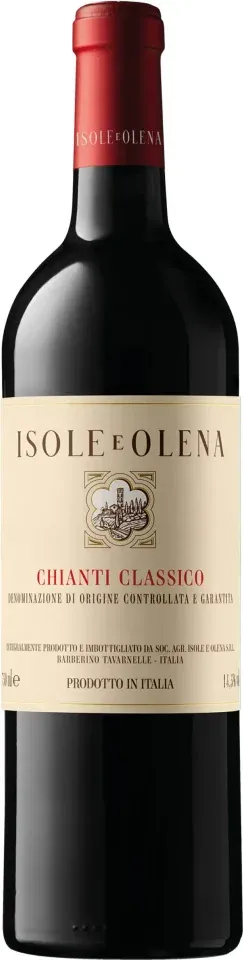
Chianti Classico DOCG
Region: Tuscany
Tasting notes
- Sangiovese
- Red cherry and violet
- Fresh acidity
- Medium, savoury tannins

Barbera d'Asti DOCG
Region: Piedmont
Tasting notes
- Barbera
- Juicy black cherry
- High acidity
- Soft tannins
For more pairings by type of food, see our food and wine pairing guide.
Conclusion
The best pizza wine is fresh, not powerful. With tomato pizzas, pour a Chianti, a Barbera or a Montepulciano d’Abruzzo. With a spicy diavola, open a dry Lambrusco. With white pizzas and cheese, choose a crisp Falanghina or a sparkling wine.
Leave the big, oaky reds for a steak: next to pizza, they lose.
Frequently asked questions
Is red or white wine better with pizza?
It depends on the topping. Pizzas with tomato sauce, such as Margherita or diavola, go best with a fresh, medium-bodied red like Chianti or Barbera. White pizzas without tomato, with cheese, potatoes or seafood, are often better with a crisp white such as Falanghina or with a sparkling wine.
What do Italians drink with pizza?
In Italy, and especially in Naples, many people drink beer with pizza. When they choose wine, it is usually simple and local: a light, slightly sparkling red such as Gragnano or Lambrusco, or a young white such as Falanghina. Expensive, powerful reds are rarely part of a pizza night.
Does Prosecco go with pizza?
Yes, especially with white pizzas, pizza with prosciutto and rocket, or fried pizza. The bubbles and fresh acidity clean the palate after cheese and cured meat. With a spicy diavola, a dry Lambrusco usually works better, because its red fruit and gentle fizz calm the chilli.
How we put this article together
We have not tasted every bottle we mention. Tasting notes and scores come from the sources we name: the producer's technical sheet, the retailer's listing or a critic, always credited.
Prices are indicative. In our tables, € means up to about €25, €€ about €25–50 and €€€ above €50, based on what these wines typically cost in European shops. When a review quotes a price, it is the price we saw on the retailer's page on the date shown. Check the current price and availability before you buy.
Shop links may earn us a commission at no extra cost to you. No retailer pays to be included, and a commission never decides what we recommend. How we work with retailers