Wine Guide
Autumn Wine Pairing: Porcini Mushrooms, Pumpkin and Chestnuts
Which wine with porcini, pumpkin and chestnuts? Nebbiolo or Pinot Nero with mushrooms, Soave with pumpkin risotto, novello or Vin Santo with chestnuts.
 By Leandro ScarpattiPublished on
Advertising: this article contains links to online shops that may be affiliate links. If you buy through them, we may earn a commission, at no extra cost to you. How we work with retailers
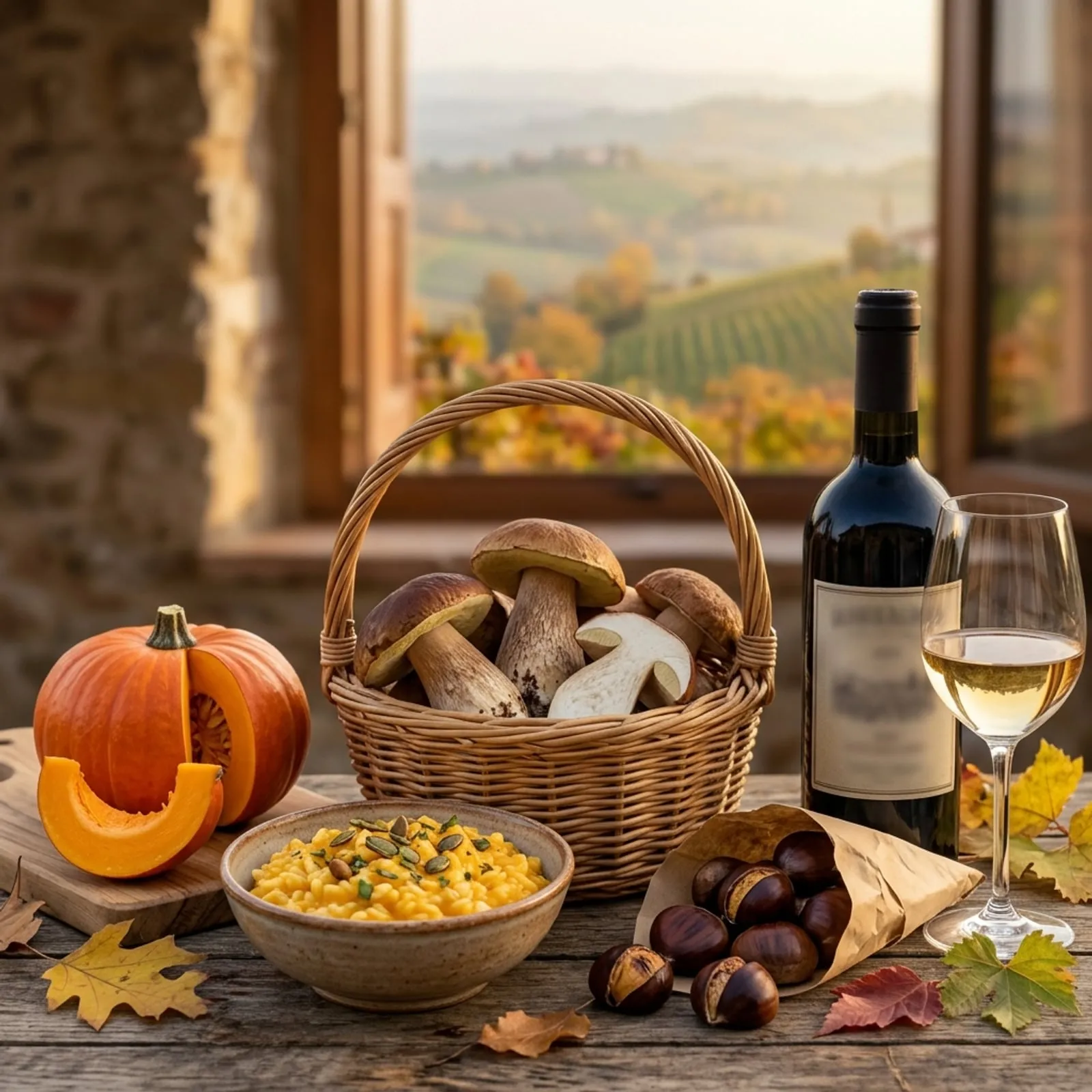
The short answer: with porcini mushrooms, pour an earthy, medium-bodied red such as Langhe Nebbiolo, Pinot Nero or Etna Rosso. With pumpkin, choose a soft, round white such as Soave Classico, or a dry Lambrusco with Mantua’s sweet pumpkin tortelli. With roast chestnuts, drink a young, fruity red or vino novello; with chestnut desserts, a Vin Santo or Moscato d’Asti.
Autumn in Italy tastes of three things: porcini from the woods, pumpkin from the fields and chestnuts roasting on street corners. They fill risottos, fresh pasta, soups and desserts from October to December.
These ingredients are earthy, sweet and nutty, and each asks for something different from the wine. Here is how to choose.
What autumn ingredients ask of a wine
Porcini are earthy and savoury, full of umami. They love wines with forest-floor, floral and red-fruit notes, and fine tannins.
Pumpkin is sweet and soft. Tannins taste bitter next to its sweetness, so it wants round whites with some body, or very soft reds.
Chestnuts are sweet, floury and smoky when roasted. Young, fruity reds refresh the palate; sweet wines suit chestnut desserts.
Butter, cream and Parmigiano, the usual friends of these ingredients in risottos and pasta, call for acidity in the wine.
Which wine for each dish
| Dish | Wine | Why it works | Price tier |
|---|---|---|---|
| Porcini risotto | Langhe Nebbiolo or Pinot Nero from Alto Adige | Earthy, floral reds with fine tannins echo the mushrooms | €–€€ |
| Tagliatelle with porcini | Barbera or Etna Rosso | Fresh acidity and red fruit for buttery fresh pasta | €–€€ |
| Creamy porcini sauce | Oaked Chardonnay from the Langhe or Timorasso | Textured whites for cream and butter | €€ |
| Pumpkin risotto | Soave Classico | Soft, nutty white for a sweet, creamy dish | € |
| Pumpkin tortelli from Mantua | Lambrusco or Soave | Dry bubbles and fruit balance the sweet filling | € |
| Roast pumpkin or pumpkin soup | Soave or Verdicchio dei Castelli di Jesi | Round fruit and fresh acidity, no tannin | € |
| Roast chestnuts | Vino novello, Langhe Nebbiolo or Dolcetto | Young, fruity reds for a sweet, smoky snack | € |
| Castagnaccio and chestnut desserts | Vin Santo or Moscato d’Asti | Sweet wines for sweet desserts | €–€€ |
Prices are typical retail ranges for each category and vary by producer and vintage.
Porcini: Nebbiolo, Pinot Nero and Etna Rosso
Porcini season runs from late summer to the first frosts. In Piedmont, they share the table with white truffle and Nebbiolo, and the match is natural: Langhe Nebbiolo has rose, red cherry and forest-floor notes, fine tannins and fresh acidity that cut the butter and Parmigiano of a risotto.
From the Alps, a Pinot Nero from Alto Adige is lighter and silky, with red berries and an earthy touch. From Sicily, an Etna Rosso brings smoky, mineral notes from the volcano. Our Etna wine guide explains the style.
With tagliatelle with porcini, a juicy Barbera is a great everyday choice. With a creamy porcini sauce, a textured white works better: an oaked Langhe Chardonnay or a Timorasso, the rediscovered white of Piedmont (see our Timorasso guide). If the dish also has truffle, read our guide to wine with truffle pasta.
Pumpkin: Soave and Lambrusco
Pumpkin risotto is creamy and sweet. A Soave Classico, made from the Garganega grape in the Veneto, is ideal: soft, with almond, yellow apple and white flowers, and enough acidity to refresh the palate. Tannic reds are a mistake here, because the sweetness of the pumpkin makes them taste bitter.
Tortelli di zucca are the pride of Mantua, in Lombardy: fresh pasta filled with pumpkin, amaretti biscuits and mostarda (fruit in mustard syrup), served with butter and sage. The filling is sweet and savoury at the same time. Locals drink a dry Lambrusco, whose bubbles and fruit clean the palate. A Soave works too.
With roast pumpkin or a pumpkin soup, stay with whites: Soave or a Verdicchio from the Marche.
Chestnuts: novello, young reds and Vin Santo
In Italy, roast chestnuts (caldarroste) are the snack of San Martino on 11 November, when the first wine of the year, vino novello, arrives. Our guide to vino novello and San Martino tells the story. Any young, fruity red works: a Langhe Nebbiolo, a Dolcetto or a Lambrusco.
Castagnaccio is a flat Tuscan cake made with chestnut flour, rosemary, pine nuts and raisins. It is only slightly sweet, and the classic match is a Vin Santo, Tuscany’s amber dessert wine. With sweeter chestnut desserts, such as Mont Blanc with cream, a light, sweet Moscato d’Asti is a fresher choice.
Red or white with autumn food: side by side
| Pros | Cons |
|---|---|
| Pros: Forest-floor and floral notes echo porcini | Cons: Tannins clash with sweet pumpkin dishes |
| Pros: Fresh acidity cuts butter and Parmigiano | Cons: Can feel heavy with creamy sauces |
| Pros: Great with roast chestnuts and autumn meat dishes |
| Pros | Cons |
|---|---|
| Pros: No tannin, so pumpkin stays sweet and soft | Cons: Less depth for a rich porcini risotto |
| Pros: Nutty, yellow-fruit notes match pumpkin and chestnut | Cons: Too delicate for meat with mushroom sauce |
| Pros: Fresh and light for long autumn lunches |
Tips for an autumn dinner
If the menu mixes mushrooms and pumpkin, open two bottles: a Langhe Nebbiolo and a Soave Classico. Serve the white at 10 to 12 °C and the red at 16 to 18 °C.
If the next course is a slow-cooked meat, see our guide to wine with ossobuco and braised beef.
Where to buy
Two bottles we would start with for autumn cooking: a Langhe Nebbiolo for porcini and chestnuts, and a Soave Classico for pumpkin. The buttons take you to the full Langhe and Soave selections on Vino.com, where you can compare producers, vintages and prices.
Shop links may earn us a commission at no extra cost to you.
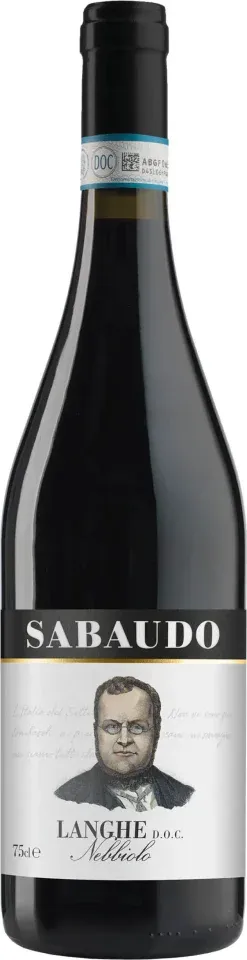
Langhe Nebbiolo DOC
Region: Piedmont
Tasting notes
- Red cherry and rose
- Forest floor
- Fresh acidity
- Fine tannins

Soave Classico DOC
Region: Soave, Veneto
Tasting notes
- Almond and white flowers
- Yellow apple
- Soft and round
- Fresh finish
For more pairings by type of food, see our food and wine pairing guide.
Conclusion
Autumn food is easy to pair once you know what each ingredient wants. Porcini want earthy reds such as Nebbiolo, Pinot Nero or Etna Rosso. Pumpkin wants soft whites such as Soave, or a dry Lambrusco with tortelli. Chestnuts want young, fruity reds, and chestnut desserts want Vin Santo or Moscato d’Asti.
When in doubt, choose a local, seasonal wine: it was made for the same table.
Frequently asked questions
What wine goes with porcini mushroom risotto?
An earthy, medium-bodied red with fresh acidity. Langhe Nebbiolo is the classic Piedmontese choice: its rose and forest-floor notes echo the porcini. A Pinot Nero from Alto Adige or an Etna Rosso also works. If you prefer white, choose a textured one such as an oaked Langhe Chardonnay or a Timorasso.
What wine goes with pumpkin?
Pumpkin is sweet and soft, so it wants a round white with little or no tannin. Soave Classico, made from Garganega, is a great match for pumpkin risotto and roast pumpkin. With pumpkin tortelli from Mantua, which are sweet and savoury, try a dry Lambrusco.
What wine goes with roast chestnuts?
In Italy, roast chestnuts are the snack of San Martino on 11 November, served with vino novello, the first wine of the year. Any young, fruity red works, such as a Langhe Nebbiolo, a Dolcetto or a Lambrusco. With chestnut desserts such as castagnaccio, pour a Vin Santo.
How we put this article together
We have not tasted every bottle we mention. Tasting notes and scores come from the sources we name: the producer's technical sheet, the retailer's listing or a critic, always credited.
Prices are indicative. In our tables, € means up to about €25, €€ about €25–50 and €€€ above €50, based on what these wines typically cost in European shops. When a review quotes a price, it is the price we saw on the retailer's page on the date shown. Check the current price and availability before you buy.
Shop links may earn us a commission at no extra cost to you. No retailer pays to be included, and a commission never decides what we recommend. How we work with retailers