Wine Guide
Best Wine with Ossobuco and Braised Beef: Italian Pairings
Which wine with ossobuco and braised beef? Barbera or Valtellina with ossobuco, Barolo with brasato, Chianti with peposo and Cesanese with Roman oxtail.
 By Leandro ScarpattiPublished on
Advertising: this article contains links to online shops that may be affiliate links. If you buy through them, we may earn a commission, at no extra cost to you. How we work with retailers
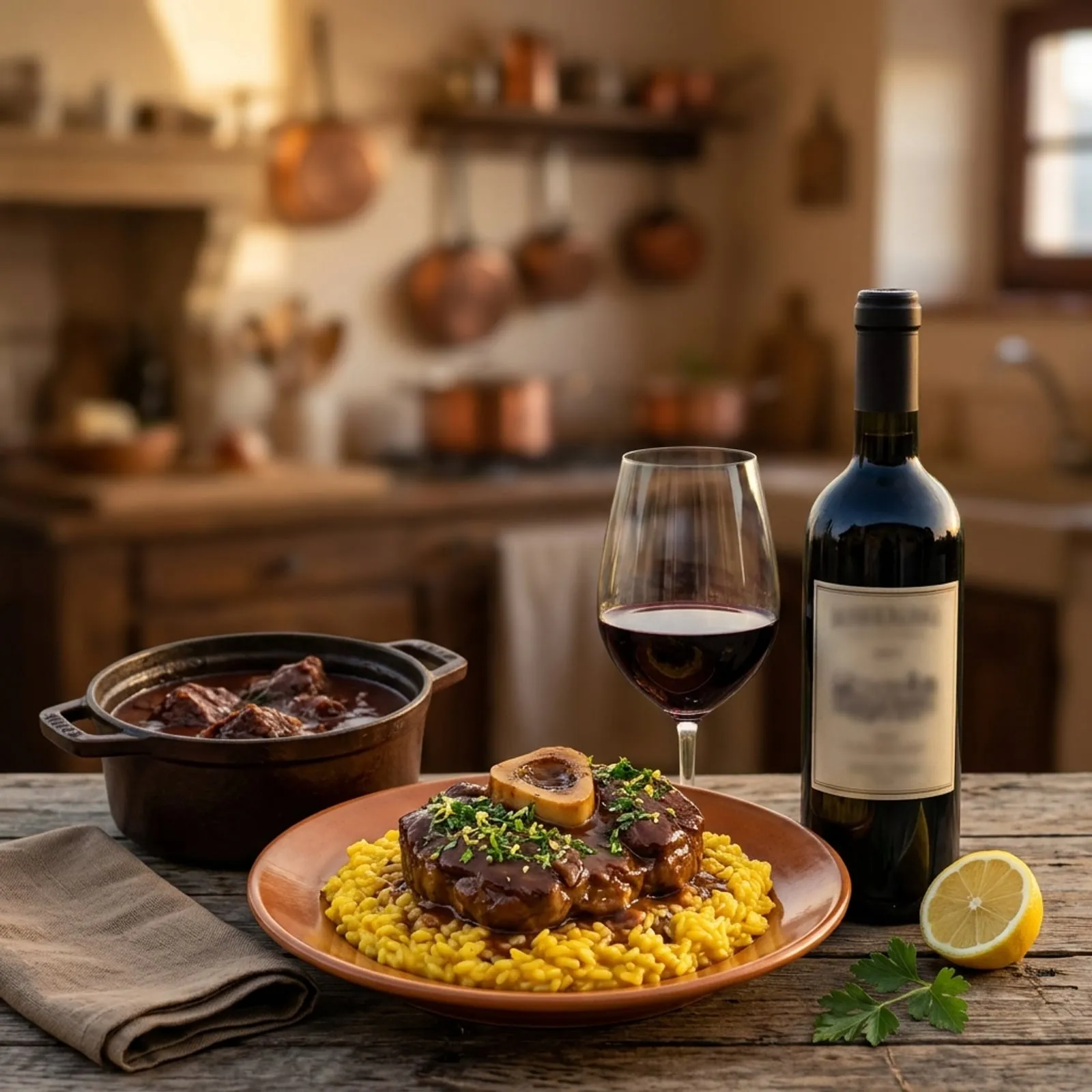
The short answer: with ossobuco alla milanese, pour a red with fresh acidity such as Barbera d’Asti or a Valtellina Superiore from Lombardy. With beef braised in red wine (brasato al Barolo), drink the same wine as in the pot: Barolo or Langhe Nebbiolo. With Tuscan peppered beef (peposo), choose Chianti Classico; with Roman oxtail stew (coda alla vaccinara), Cesanese from Lazio.
Braised meat is the heart of the Italian winter table. Hours of slow cooking in wine, broth and vegetables turn tough cuts into soft meat and a deep, glossy sauce.
That sauce is what the wine has to meet. It is rich, savoury and often a little sweet from the vegetables. A wine that is too light disappears; a wine that is too heavy makes the dish feel endless. Here is what works with each classic.
What braised meat asks of a wine
Acidity is the first need. It cuts the richness of the sauce and the gelatine of shank and oxtail, and keeps each bite fresh.
Tannins are less of a problem than with grilled meat. Long cooking makes the meat very soft, and the sauce coats the mouth, so even a structured red feels smooth.
Region is the easiest guide. Italian braises were born next to local wines, and the old pairings still work: Barolo with brasato, Chianti with peposo, Cesanese with Roman oxtail.
The cooking wine matters too. Cook with a wine you would drink, or a simpler version of it, and serve the same type at the table.
Which wine for each dish
| Dish | Wine | Why it works | Price tier |
|---|---|---|---|
| Ossobuco alla milanese | Barbera d’Asti or Valtellina Superiore | Fresh acidity for the gremolata and the sauce; soft tannins for veal | €–€€ |
| Brasato al Barolo | Barolo or Langhe Nebbiolo | The same wine as in the pot; firm tannins for beef | €€–€€€ |
| Peposo (Tuscan peppered beef) | Chianti Classico | Sangiovese’s savoury acidity and red fruit balance the pepper | €–€€ |
| Coda alla vaccinara (Roman oxtail) | Cesanese | Juicy red fruit for tomato, celery and the rich oxtail | € |
| Beef stew with tomato (spezzatino) | Primitivo di Manduria or Barbera | Ripe fruit for a hearty, everyday stew | € |
| Pot roast with red wine (stracotto) | Langhe Nebbiolo or Amarone della Valpolicella | Structure for long-cooked beef; Amarone for a festive dinner | €€–€€€ |
Prices are typical retail ranges for each category and vary by producer and vintage.
Ossobuco alla milanese: Barbera or Valtellina
Ossobuco is a cross-cut veal shank, slowly braised with white wine, broth and vegetables. It is finished with gremolata, a mix of lemon zest, garlic and parsley, and served with saffron risotto (risotto alla milanese). Some families add tomato; the oldest Milanese version has none.
Veal is delicate, and the gremolata adds a fresh, citrus lift. So the wine needs acidity more than power. A Barbera d’Asti is ideal: juicy, with high acidity and soft tannins, it handles both versions, with or without tomato.
For a local match, look north to the Alps. Valtellina Superiore is Nebbiolo grown on steep terraces in Lombardy, the same region as Milan. It is lighter and more mountain-fresh than Barolo, with red berries, rose and herbs: perfect with veal and saffron. A Langhe Nebbiolo works in the same way.
Brasato al Barolo: the wine in the pot
Brasato al Barolo is the great Sunday dish of Piedmont. A piece of beef is marinated in Barolo with vegetables and spices, then braised for hours until it can be cut with a spoon.
The rule here is simple: drink the same wine you cooked with. Barolo has the firm tannins and deep flavour to match the beef and the dark sauce. You do not need a famous cru in the pot: a simple Barolo or a Langhe Nebbiolo gives the same character, and you can serve a better bottle at the table. To understand the difference between the great Nebbiolo wines, read Barolo vs Barbaresco and Barolo vs Brunello.
Peposo and Roman oxtail: Chianti and Cesanese
Peposo comes from Impruneta, near Florence: beef stewed for hours with a lot of black pepper, garlic and red wine. The Tuscan answer is Chianti Classico. Sangiovese’s fresh acidity and savoury red fruit calm the pepper. See Chianti Classico vs Riserva to choose the level.
Coda alla vaccinara is Rome’s oxtail stew, cooked with tomato and a lot of celery. Here in Lazio we drink it with Cesanese, the local red grape: juicy, with soft tannins and red cherry, it loves tomato and the rich, sticky meat. Our guide to the wines of Lazio has more Roman pairings.
Light red or structured red: side by side
| Pros | Cons |
|---|---|
| Pros: High acidity cuts through rich sauces and gelatine | Cons: Can feel light next to a dark beef braise |
| Pros: Great with veal, tomato sauces and gremolata | Cons: Less complexity for a special dinner |
| Pros: Usually good value and ready to drink young |
| Pros | Cons |
|---|---|
| Pros: Depth and tannins to match long-cooked beef | Cons: Too powerful for delicate veal ossobuco |
| Pros: The traditional match for brasato al Barolo | Cons: Higher price, and young bottles need air |
| Pros: Makes a festive winter dinner feel special |
Tips for serving
Serve reds at 16 to 18 °C. Open a Barolo or an Amarone an hour before dinner; a young Barbera or Cesanese can go straight to the glass.
If you serve risotto alla milanese or polenta on the side, stay with the same wine. And if there is cheese after the main course, our guide to wine with cheese shows how to carry on.
Where to buy
Two bottles we would start with: a Barbera d’Asti for ossobuco and everyday braises, and a Barolo for brasato and festive dinners. The buttons take you to the full Barbera d’Asti and Barolo selections on Vino.com, where you can compare producers, vintages and prices.
Shop links may earn us a commission at no extra cost to you.

Barbera d'Asti DOCG
Region: Asti, Piedmont
Tasting notes
- Black cherry and plum
- High, juicy acidity
- Soft tannins
- Medium body
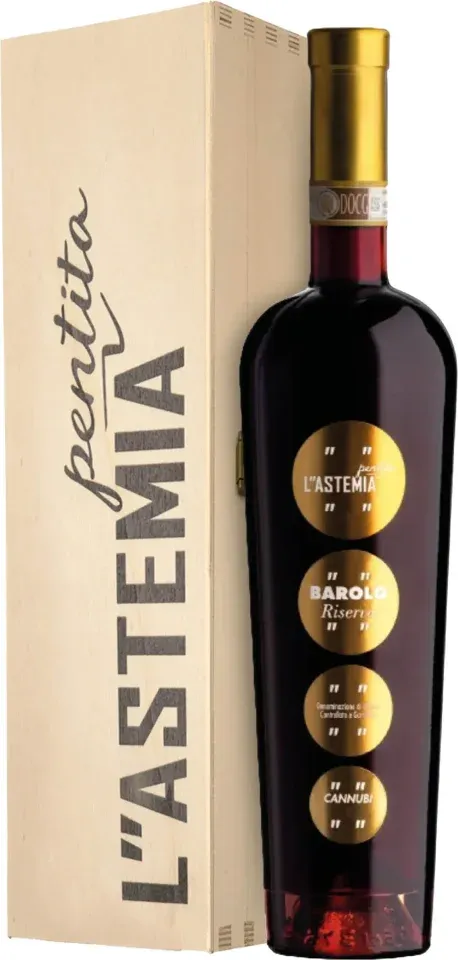
Barolo DOCG
Region: Barolo, Piedmont
Tasting notes
- Rose and tar
- Red cherry and liquorice
- Firm tannins
- Full body
For more pairings by type of food, see our food and wine pairing guide.
Conclusion
With braised meat, look for acidity first and let the region guide you. Ossobuco wants a fresh red such as Barbera or Valtellina. Brasato wants the Barolo or Nebbiolo it was cooked in. Peposo wants Chianti Classico, and Roman oxtail wants Cesanese.
Cook with a wine you would drink, open the bottle a little early and let the slow cooking do the rest.
Frequently asked questions
What wine goes with ossobuco alla milanese?
A red with fresh acidity and not too much tannin. Barbera d'Asti is a great choice: its acidity matches the gremolata and the sauce. From Lombardy, the home of ossobuco, a Valtellina Superiore made from Nebbiolo is the local match. A Langhe Nebbiolo also works well.
Should I cook brasato with Barolo?
The traditional Piedmontese recipe uses Barolo, and the wine in the pot shapes the sauce. You do not need a famous label: a simple Barolo or a Langhe Nebbiolo, made from the same grape, gives the same character. Then serve a better bottle of the same wine at the table.
Can I drink white wine with braised meat?
Usually red is the better choice, because braised meat sauces are rich and deep. If you prefer white, choose a structured, textured white with good acidity, such as a Fiano di Avellino or a Timorasso, and save it for the lighter, wine-and-broth version of ossobuco.
How we put this article together
We have not tasted every bottle we mention. Tasting notes and scores come from the sources we name: the producer's technical sheet, the retailer's listing or a critic, always credited.
Prices are indicative. In our tables, € means up to about €25, €€ about €25–50 and €€€ above €50, based on what these wines typically cost in European shops. When a review quotes a price, it is the price we saw on the retailer's page on the date shown. Check the current price and availability before you buy.
Shop links may earn us a commission at no extra cost to you. No retailer pays to be included, and a commission never decides what we recommend. How we work with retailers