Wine Guide
What Wine to Drink in Rome? A Guide to Lazio Wines (and the Est! Est!! Est!!! Legend)
What wine to drink in Rome: Frascati, Cesanese and the Est! Est!! Est!!! of Montefiascone. A guide to Lazio wines, Roman pairings and a medieval legend.
 By Leandro ScarpattiPublished on
Advertising: this article contains links to online shops that may be affiliate links. If you buy through them, we may earn a commission, at no extra cost to you. How we work with retailers
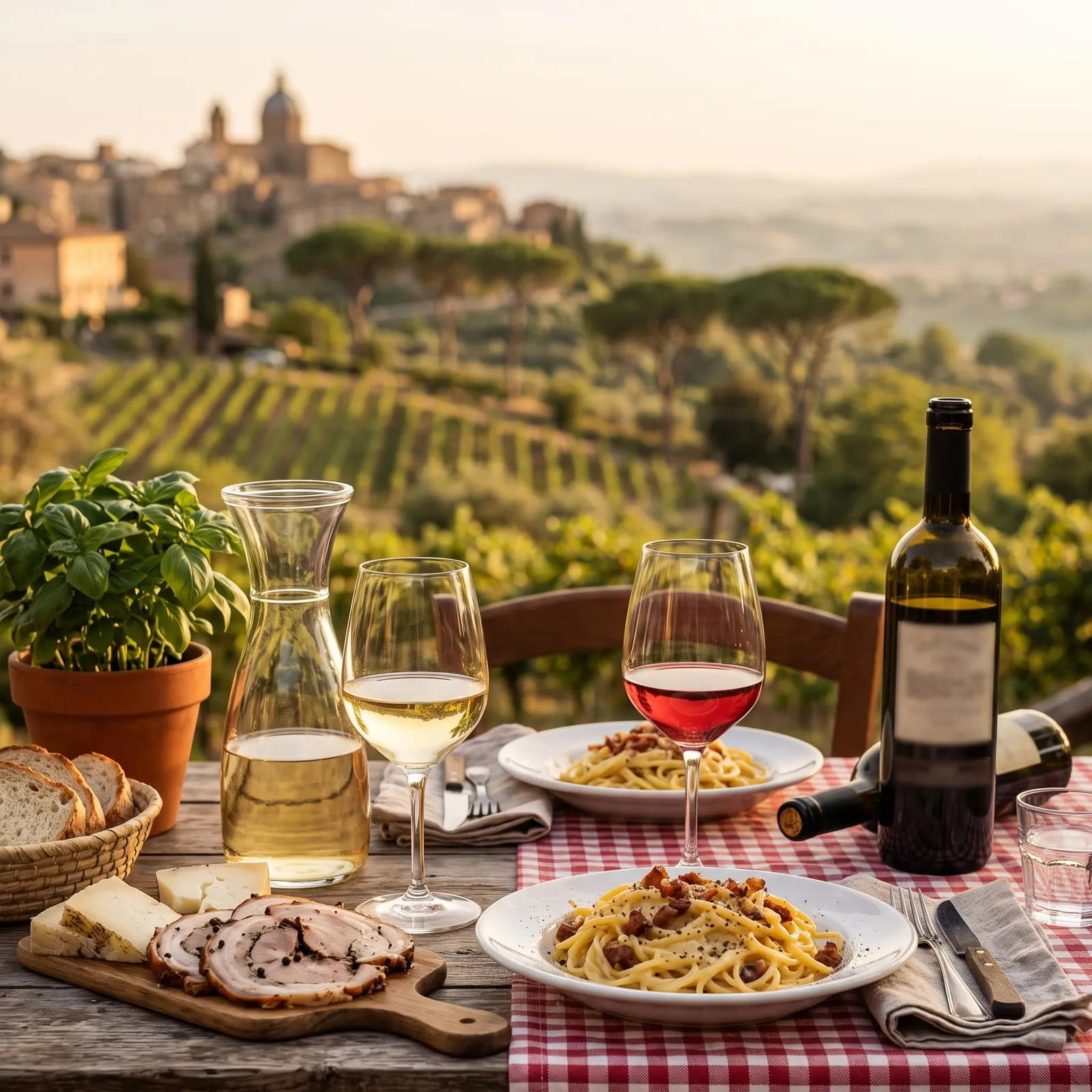
The short answer: in Rome, drink the wines of Lazio: Frascati, a fresh white from the Castelli Romani hills, with pasta and antipasti, and Cesanese, the region’s native red grape, with amatriciana, lamb and porchetta; for a story to tell at the table, order an Est! Est!! Est!!! di Montefiascone.
Most visitors to Rome order a Chianti or a Prosecco without a second thought. That is a shame. Lazio, the region around the capital, has been making wine since Roman times, and some of its bottles are among the best value in Italy.
I live in Lazio, and these are the wines you will find on the tables of Roman trattorias and in the taverns of the hills around the city. Here is what to order, what to pair it with, and the medieval legend behind the strangest wine name in Italy.
Frascati: the white wine of Rome
Frascati comes from the Castelli Romani, the volcanic hills about 20 km south-east of Rome. For centuries it was the everyday wine of the city, carried to Roman taverns in barrels.
It is made mainly from Malvasia (di Candia and Puntinata) and Trebbiano. Expect a fresh, dry white with notes of lemon, almond, yellow apple and a slightly salty finish from the volcanic soil.
There are three levels to know:
- Frascati DOC: the light, easy everyday version.
- Frascati Superiore DOCG: more structure and lower yields, a step up for food.
- Cannellino di Frascati DOCG: the sweet version, for dessert and biscuits.
In the Castelli Romani, especially around Ariccia, look for a fraschetta: a simple tavern where you sit at long tables with porchetta, cheese, salami and a carafe of local white wine.
Cesanese: Lazio’s native red grape
Cesanese is the red grape of Lazio, grown in the hills east and south-east of Rome. It gives medium-bodied wines with red cherry, raspberry, black pepper and wild herbs, and soft but lively tannins.
It has three denominations:
- Cesanese del Piglio DOCG: the region’s only red DOCG, around the town of Piglio.
- Cesanese di Olevano Romano DOC: often fresh, fragrant and juicy.
- Cesanese di Affile DOC: the smallest area, rare outside the region.
Cesanese is our pick for Roman meat dishes and tomato-based pasta. You can browse Cesanese wines on Vino.com.
The legend of Est! Est!! Est!!!
North of Rome, on the shores of Lake Bolsena, the town of Montefiascone gives its name to a white wine with the most famous label in Lazio: Est! Est!! Est!!! di Montefiascone.
The story is a legend, told for centuries and impossible to prove, but it goes like this. Around the year 1111, a German bishop, often called Johannes Defuk, was travelling to Rome in the retinue of the Emperor Henry V. The bishop loved good wine, so he sent his servant Martino ahead of him with one task. At every inn with good wine, Martino had to write “Est” on the door, Latin for “it is”, meaning “the wine is good here”.
When Martino reached Montefiascone and tasted the local wine, one word was not enough. He wrote “Est! Est!! Est!!!” on the door. The bishop arrived, agreed, and, according to the story, stayed in Montefiascone until the end of his life. A tomb in the church of San Flaviano is still pointed out as his.
The wine itself is a dry white from Trebbiano and Malvasia, light and fresh with notes of white flowers, pear and almond. It is not easy to find outside Italy, so if you see it on a menu in Rome or near Lake Bolsena, order it for the story alone.
Other Lazio wines worth knowing
- Roma DOC: a young denomination for reds and whites from the area around the capital.
- Aleatico di Gradoli: an aromatic sweet red from the lake area near Viterbo.
- Lazio IGT: a broad category where many modern producers bottle blends of local and international grapes, often at very good prices.
Lazio wines at a glance
| Pros | Cons |
|---|---|
| Pros: Excellent value: many good bottles are in the € price tier | Cons: Less famous than Tuscany or Piedmont, so less choice abroad |
| Pros: Native grapes you rarely find elsewhere, like Cesanese | Cons: Quality varies: cheap carafe Frascati can be thin |
| Pros: Made for Roman food: carbonara, amatriciana, porchetta, lamb | Cons: Some rarities, like Cesanese di Affile, are hard to buy online |
What to pair with Roman food
| Roman dish | Lazio wine | Why it works |
|---|---|---|
| Carbonara, cacio e pepe | Frascati Superiore or a Lazio white | Acidity cuts egg, pecorino and guanciale |
| Amatriciana | Cesanese | Juicy fruit loves tomato and pork |
| Porchetta, salami | Frascati or a young Cesanese | Freshness against fat and salt |
| Abbacchio (roast lamb) | Cesanese del Piglio DOCG | Structure and spice for rosemary and garlic |
| Supplì and other fried starters | Frascati or Est! Est!! Est!!! | Light, saline whites clean the palate |
| Biscotti, ciambelline al vino | Cannellino di Frascati | Sweet wine for sweet biscuits |
For a full guide to the most famous Roman pasta, read our article on which wine to drink with carbonara.
Where to buy
Two bottles that bring Rome to your table: a white from the Castelli Romani area and a Cesanese. The cards lead to the Vino.com selections of Lazio wines and Cesanese.
Shop links may earn us a commission at no extra cost to you.
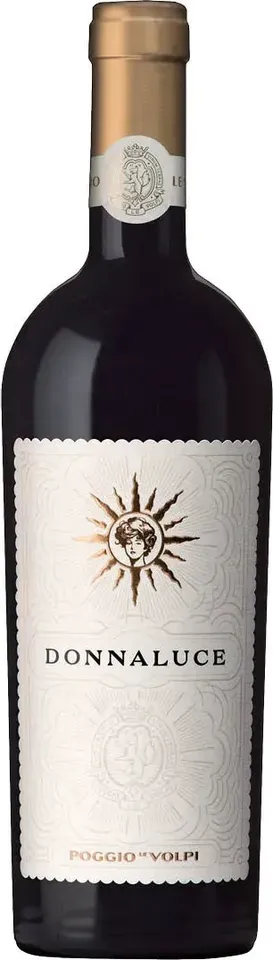
Frascati and Lazio whites
Region: Lazio
Tasting notes
- Yellow apple and citrus
- Almond
- Saline, volcanic finish
- Fresh and easy
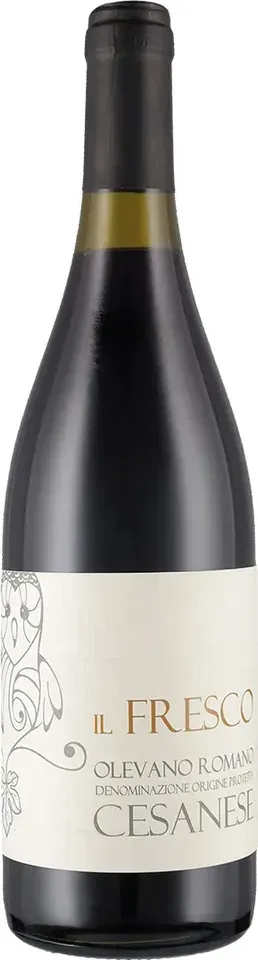
Cesanese
Region: Lazio
Tasting notes
- Red cherry
- Black pepper
- Wild herbs
- Soft, juicy tannins
Conclusion
In Rome, do as the Romans do: a cool Frascati with your carbonara, a Cesanese with amatriciana or lamb, and an Est! Est!! Est!!! when you want a legend in your glass.
Lazio wines are honest, good value and made for the local food. In November, look out for the region’s new wines too: our guide to vino novello and San Martino explains the tradition.
Frequently asked questions
What is the typical wine of Rome?
The traditional wine of Rome is Frascati, a fresh white from the Castelli Romani hills south-east of the city, made mostly from Malvasia and Trebbiano. For red, the local grape is Cesanese, whose best-known area is Cesanese del Piglio DOCG.
What does Est! Est!! Est!!! mean?
It is Latin for "it is", meaning "the wine is here" or "the wine is good". According to a medieval legend, a servant travelling ahead of a German bishop wrote "Est" on the doors of inns with good wine. In Montefiascone he liked the wine so much that he wrote it three times, and the name stuck to the local white wine.
Which wine goes with carbonara and amatriciana?
With Roman pasta, think local. A structured Frascati Superiore or a Lazio white cuts through the egg, pecorino and guanciale of carbonara. For amatriciana, with its tomato sauce, a young, juicy Cesanese is a natural match.
How we put this article together
We have not tasted every bottle we mention. Tasting notes and scores come from the sources we name: the producer's technical sheet, the retailer's listing or a critic, always credited.
Shop links may earn us a commission at no extra cost to you. No retailer pays to be included, and a commission never decides what we recommend. How we work with retailers