Wine Guide
Best Wine with Carbonara: 7 Italian Pairings That Work
Which wine goes with spaghetti carbonara? Crisp Italian whites like Frascati and Verdicchio, plus light reds that handle egg, pecorino and guanciale.
 By Leandro ScarpattiPublished on Updated on
Advertising: this article contains links to online shops that may be affiliate links. If you buy through them, we may earn a commission, at no extra cost to you. How we work with retailers
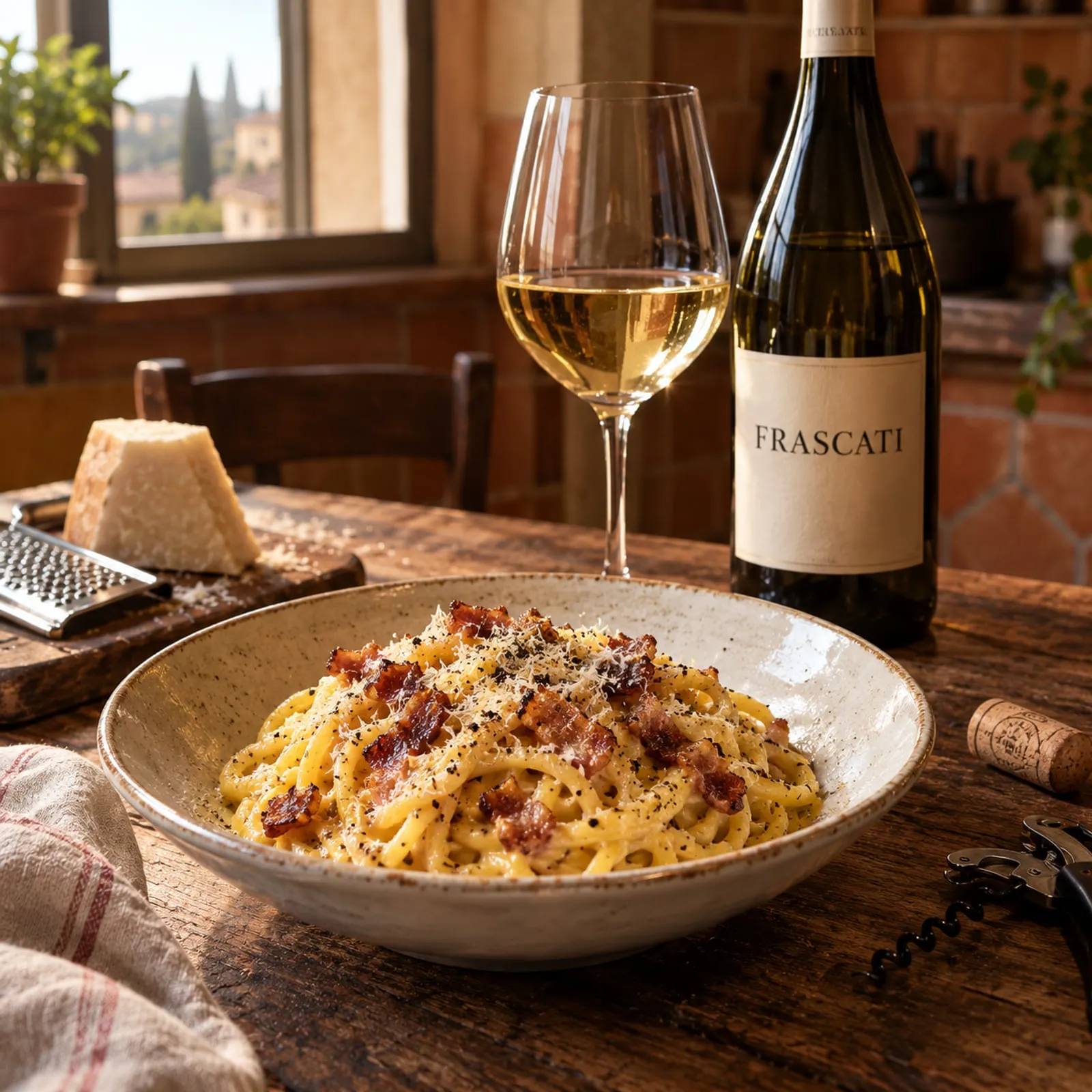
The short answer: the best wine with carbonara is a crisp, unoaked Italian white such as Frascati Superiore or Verdicchio dei Castelli di Jesi. Its fresh acidity cuts through egg yolk and guanciale, and its gentle bitterness balances the salty Pecorino Romano. If you prefer red, choose a light, low-tannin one such as Cesanese or a young Chianti.
Carbonara looks simple. Four main ingredients: guanciale, egg yolk, Pecorino Romano and black pepper. The Roman original has no cream.
But those four ingredients make it rich, salty and savoury. The wine has to refresh the palate, not add weight.
What carbonara asks of a wine
Each component of the dish pulls the wine in a different direction.
Egg yolk coats the mouth. It needs acidity to clean it up.
Guanciale brings fat and a cured, porky depth. Acidity and a little bitterness on the finish help here.
Pecorino Romano is very salty and sharp. Salt clashes with strong tannins but gets along with fresh, mineral wines.
Black pepper adds spice. A peppery red like Cesanese echoes it nicely.
So the rule is clear: high acidity, little or no oak, moderate alcohol and low tannin.
7 Italian pairings that work
| Wine | Region | Style | Why it works | Price tier |
|---|---|---|---|---|
| Frascati Superiore DOCG | Lazio | Crisp white (Malvasia, Trebbiano) | The local Roman match, fresh with an almond finish | € |
| Verdicchio dei Castelli di Jesi | Marche | Crisp white | High acidity, citrus and a bitter almond finish | € |
| Pecorino (the grape) | Abruzzo, Marche | Fuller white | Herbal, savoury, enough body for richer carbonara | € |
| Fiano di Avellino DOCG | Campania | Textured white | Waxy texture meets the creamy egg sauce | €–€€ |
| Franciacorta or other traditional-method sparkling | Lombardy | Sparkling | Bubbles and acidity scrub away fat and salt | €€ |
| Cesanese del Piglio DOCG | Lazio | Light red | Red cherry and pepper, soft tannins | € |
| Chianti / Chianti Classico | Tuscany | Medium red | Lively Sangiovese acidity, savoury edge | €–€€ |
All seven share the same backbone: fresh acidity. That is the non-negotiable trait.
Crisp white vs light red: side by side
Most people choose between two paths. Here is how they compare at the table.
| Pros | Cons |
|---|---|
| Pros: High acidity cuts through egg yolk and guanciale fat | Cons: Can feel thin next to an extra-rich, yolk-heavy carbonara |
| Pros: No tannins, so no metallic clash with salty pecorino | Cons: Simpler bottles may lack length |
| Pros: Almond and citrus notes lift the dish without masking it | Cons: Best drunk young, within 1–3 years of the harvest |
| Pros | Cons |
|---|---|
| Pros: Red cherry fruit and peppery spice echo the black pepper | Cons: Firm or young tannins can turn bitter with pecorino |
| Pros: Enough body to stand up to guanciale | Cons: Oaky, high-alcohol versions overpower the dish |
| Pros: Lively acidity keeps the pairing fresh | Cons: Needs to be served cool, which many people forget |
How to choose
Choose a white if your carbonara is classic and generous with egg and pecorino. Frascati is the Roman choice; Verdicchio gives a little more structure and minerality.
Choose a light red if you use more guanciale and pepper, or simply prefer red. Look for words like “giovane” or simple DOC/DOCG bottlings, not Riserva or barrique-aged versions.
Serve whites at 8–10 °C. Serve light reds slightly chilled, around 14–16 °C. A cooler red feels fresher and its tannins feel softer.
Avoid oaky Chardonnay, sweet wines, and powerful tannic reds such as young Barolo, Amarone or Cabernet Sauvignon.
Where to buy
One white and one red, both from central Italy. Instead of pushing a single label, we link to the Lazio wine selection (where you will find Frascati) and the Cesanese selection on Vino.com, so you can choose the producer and price that suit you.
Shop links may earn us a commission at no extra cost to you.
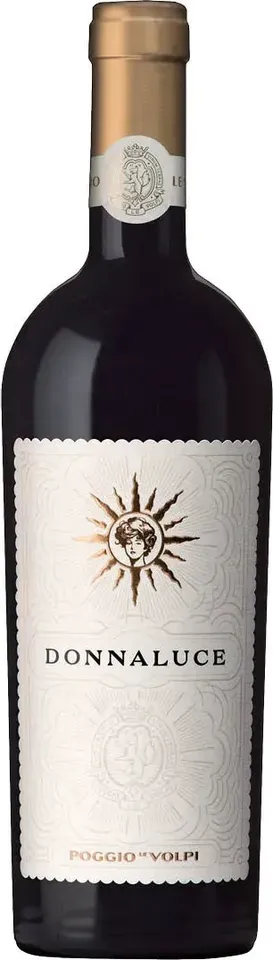
Frascati and Lazio wines
Region: Frascati, Lazio
Tasting notes
- White peach
- Citrus peel
- Toasted almond
- Fresh, saline finish
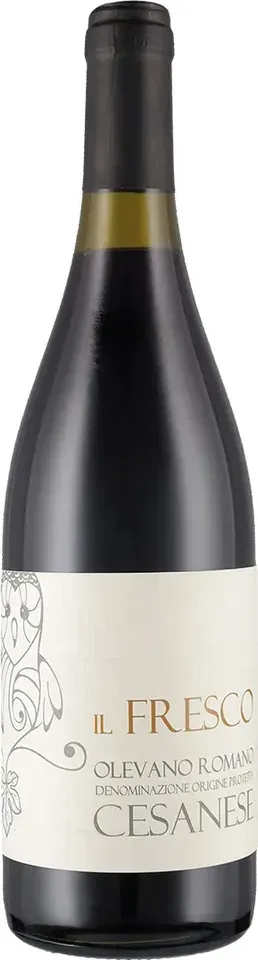
Cesanese
Region: Lazio
Tasting notes
- Red cherry
- Black pepper
- Wild herbs
- Soft, juicy tannins
Conclusion
Carbonara needs freshness more than power. A crisp, unoaked Italian white like Frascati or Verdicchio is the most reliable match, and it keeps the dish tasting light.
If you love red, stay light and serve it cool. A Cesanese from Lazio keeps the pairing Roman from plate to glass.
Frequently asked questions
Is red or white wine better with carbonara?
A crisp Italian white is the safest match. Its acidity cuts through the egg yolk and guanciale fat without clashing with the pecorino. A light, low-tannin red such as Cesanese or a young Chianti also works well if you prefer red.
What wine do Romans drink with carbonara?
Carbonara is a Roman dish, and locals often reach for wines from Lazio. Frascati, a white from the hills just south-east of Rome, is the classic choice. Among reds, Cesanese from the Piglio and Olevano Romano areas is the local option.
Which wines should you avoid with carbonara?
Avoid heavily oaked, buttery whites and big tannic reds such as young Barolo or Cabernet Sauvignon. Oak and butter make the dish feel heavier, and strong tannins turn metallic against egg and salty pecorino.
How we put this article together
We have not tasted every bottle we mention. Tasting notes and scores come from the sources we name: the producer's technical sheet, the retailer's listing or a critic, always credited.
Prices are indicative. In our tables, € means up to about €25, €€ about €25–50 and €€€ above €50, based on what these wines typically cost in European shops. When a review quotes a price, it is the price we saw on the retailer's page on the date shown. Check the current price and availability before you buy.
Shop links may earn us a commission at no extra cost to you. No retailer pays to be included, and a commission never decides what we recommend. How we work with retailers