Wine Guide
Barolo vs Brunello di Montalcino: Which Italian Red to Choose
Barolo vs Brunello: Nebbiolo from Piedmont against Sangiovese from Tuscany. Ageing rules, taste, food pairings and price, and which one to open.
 By Leandro ScarpattiPublished on
Advertising: this article contains links to online shops that may be affiliate links. If you buy through them, we may earn a commission, at no extra cost to you. How we work with retailers
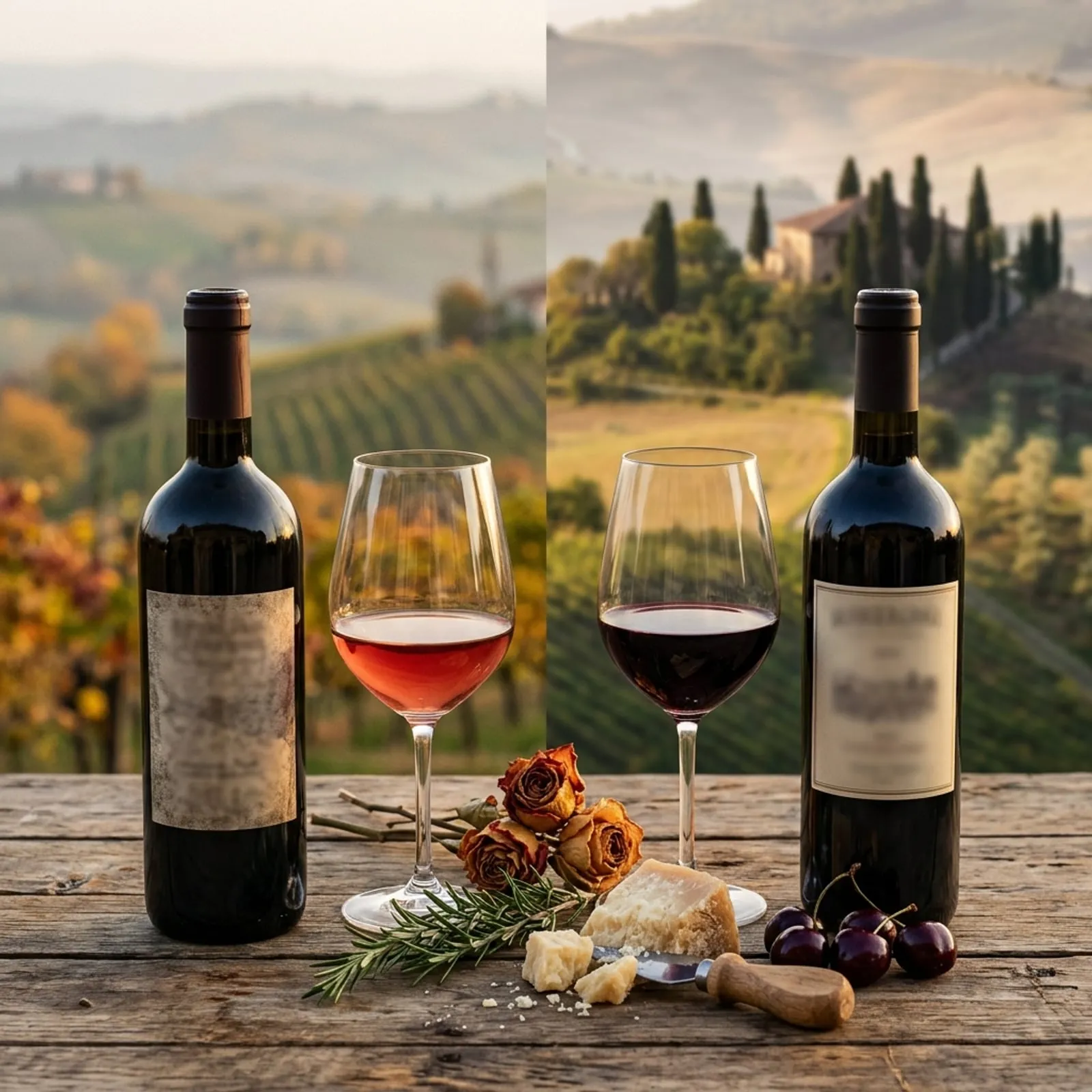
The short answer: Barolo and Brunello di Montalcino are Italy’s two great long-lived reds, but they come from different grapes and regions. Barolo is 100% Nebbiolo from the Langhe hills in Piedmont: pale in colour, floral, with rose, tar and firm tannins. Brunello is 100% Sangiovese from Montalcino in Tuscany: warmer and rounder, with ripe cherry, leather and tobacco. Choose Barolo for braised beef and truffle, Brunello for Florentine steak and wild boar. Both sit in the top price tier.
Barolo is often called “the king of wines and the wine of kings”. Brunello is the pride of Tuscany and one of the most collected Italian reds in the world. They are often compared because they play the same role on the table: the bottle you open for a special dinner or keep in the cellar.
But they taste very different. Here is why, and how to choose.
What the rules say
Both are DOCG wines, the top level of Italian wine law, and both were among Italy’s first DOCGs, in 1980.
| Barolo DOCG | Brunello di Montalcino DOCG | |
|---|---|---|
| Region | Langhe hills, Piedmont (north-west Italy) | Montalcino, province of Siena, Tuscany (central Italy) |
| Grape | 100% Nebbiolo | 100% Sangiovese (called Brunello in Montalcino) |
| Minimum ageing | 38 months, of which 18 in wood | Released only from 1 January of the fifth year after the harvest, with at least 2 years in wood |
| Riserva | 62 months, of which 18 in wood | Released one year later, from the sixth year |
| Minimum alcohol | 13% | 12.5% |
| Younger sibling | Langhe Nebbiolo | Rosso di Montalcino |
| Price tier | €€€ | €€€ |
In short, Brunello must wait a little longer before it reaches the shops. Both rules require wood but leave the choice to the producer, so you will find large traditional casks (botti) and small French barriques in both regions.
Two grapes, two climates
Nebbiolo takes its name from nebbia, the fog that covers the Langhe hills at harvest time in October. It ripens late, has a pale colour, very high acidity and a lot of tannin. That is why young Barolo can feel austere and why it needs years in the bottle.
Sangiovese is the great grape of central Italy, also behind Chianti Classico. In Montalcino, a hill town south of Siena, the climate is warmer and drier than in the Langhe, and the grapes ripen fully. The result is a darker, rounder wine with more generous fruit.
How they taste
Barolo shows rose, violet, red cherry, tar, liquorice and dried herbs. The tannins are firm and grippy, the acidity high and the finish long. With age come truffle, leather and dried rose. Its colour is surprisingly light, often orange at the rim: do not judge Nebbiolo by its colour.
Brunello di Montalcino shows ripe black and red cherry, plum, violet, leather, tobacco and sweet spice. It also has firm tannins and fresh acidity, the signature of Sangiovese, but feels warmer and fuller in the middle. With age it develops earth, dried fruit, forest floor and game notes.
Side-by-side comparison
| Pros | Cons |
|---|---|
| Pros: Unique perfume of rose, tar and liquorice | Cons: Austere when young: best after 8–10 years |
| Pros: High acidity and firm tannins that keep it fresh for decades | Cons: Tannins can feel harsh without rich food |
| Pros: The classic match for white truffle and braised beef | Cons: Top crus and Riserva are expensive |
| Pros | Cons |
|---|---|
| Pros: Riper, rounder fruit that is easier to enjoy | Cons: Still tannic in its first years |
| Pros: Released later, so it is a little more ready when it reaches the shops | Cons: Quality varies a lot between producers |
| Pros: Superb with grilled red meat, game and pecorino | Cons: Prices are high, especially for famous names and Riserva |
Which to choose with food
| Dish | Better choice | Why |
|---|---|---|
| Beef braised in red wine (brasato) | Barolo | Long cooking softens the meat, and Barolo’s tannins meet the rich sauce |
| Tajarin or risotto with white truffle | Barolo | Nebbiolo’s earthy, floral perfume echoes the truffle |
| Florentine T-bone steak (bistecca alla fiorentina) | Brunello | Ripe fruit and firm tannins for grilled, charred beef |
| Wild boar stew and game | Brunello | The leather and forest-floor notes match the meat |
| Roast lamb | Both | Lamb works with either style |
| Long-aged Parmigiano or pecorino | Both | Salty, crystalline cheeses soften the tannins |
For more on beef, see our guides to wine with ribeye steak and wine with ossobuco and braised beef.
How to serve them
Serve both at 16 to 18 °C in a large glass. Open young bottles one to two hours before dinner, or decant them. A bottle less than ten years old will gain a lot from air.
If you want the style without the price or the wait, start with the younger siblings: a Langhe Nebbiolo or a Rosso di Montalcino. Both are released much earlier and sit in a lower price tier.
Where to buy
Instead of pushing one label, we link to the full Barolo and Brunello di Montalcino selections on Vino.com, where you can compare producers, vintages and prices. The notes below describe each wine at its classic best.
Shop links may earn us a commission at no extra cost to you.
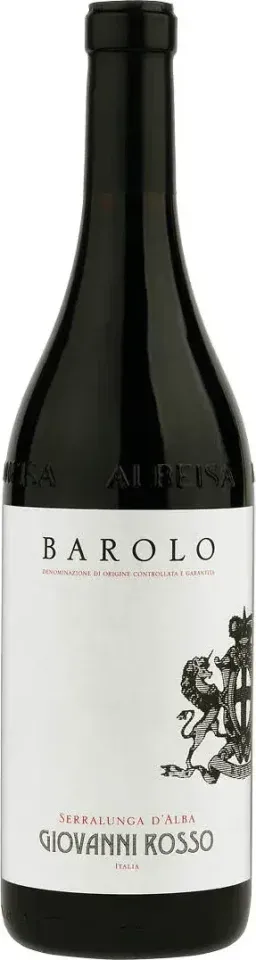
Barolo DOCG
Region: Barolo, Piedmont
Tasting notes
- Rose and violet
- Tar and liquorice
- Red cherry
- Firm tannins
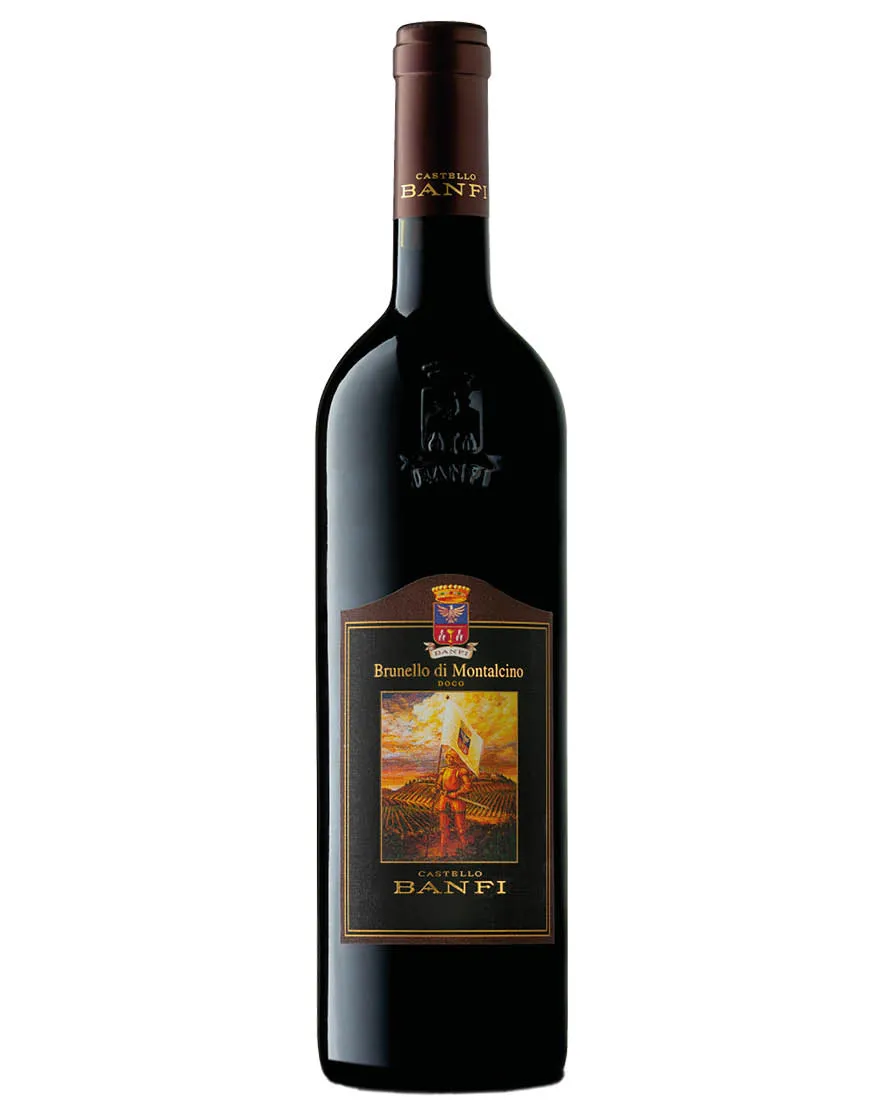
Brunello di Montalcino DOCG
Region: Montalcino, Tuscany
Tasting notes
- Ripe cherry and plum
- Leather and tobacco
- Sweet spice
- Full body
To explore each region further, see our Piedmont wine guide and our Tuscany wine guide.
Conclusion
Barolo and Brunello are both worth the occasion, but they are not interchangeable. Barolo is Nebbiolo from Piedmont: floral, tarry, tannic and built for truffle and braised beef. Brunello is Sangiovese from Tuscany: riper, rounder and perfect with grilled steak and game.
If you cannot decide, let the dish choose. And if the budget is tight, open a Langhe Nebbiolo or a Rosso di Montalcino.
Frequently asked questions
Which is better, Barolo or Brunello di Montalcino?
Neither is better: they are two different styles. Barolo, made from Nebbiolo, is more floral and tannic, with rose and tar notes. Brunello, made from Sangiovese, is rounder and warmer, with ripe cherry, leather and tobacco. Choose by taste and by the dish, and remember that the producer matters more than the name.
Which ages longer, Barolo or Brunello?
Both are among the longest-lived wines in Italy. A classic Barolo or Brunello starts to open up about 8 to 10 years after the harvest, and the best bottles from great vintages can age for 20 to 30 years or more.
Is there a cheaper alternative to Barolo and Brunello?
Yes. Each has a younger sibling from the same grape and area: Langhe Nebbiolo for Barolo and Rosso di Montalcino for Brunello. They are released much sooner, cost far less and give a good idea of the style.
How we put this article together
We have not tasted every bottle we mention. Tasting notes and scores come from the sources we name: the producer's technical sheet, the retailer's listing or a critic, always credited.
Prices are indicative. In our tables, € means up to about €25, €€ about €25–50 and €€€ above €50, based on what these wines typically cost in European shops. When a review quotes a price, it is the price we saw on the retailer's page on the date shown. Check the current price and availability before you buy.
Shop links may earn us a commission at no extra cost to you. No retailer pays to be included, and a commission never decides what we recommend. How we work with retailers