Wine Guide
Chianti Classico vs Riserva: Differences, Ageing and Price
Chianti Classico vs Riserva vs Gran Selezione explained: ageing rules, taste, food pairings and price, so you know which bottle to buy.
 By Leandro ScarpattiPublished on
Advertising: this article contains links to online shops that may be affiliate links. If you buy through them, we may earn a commission, at no extra cost to you. How we work with retailers
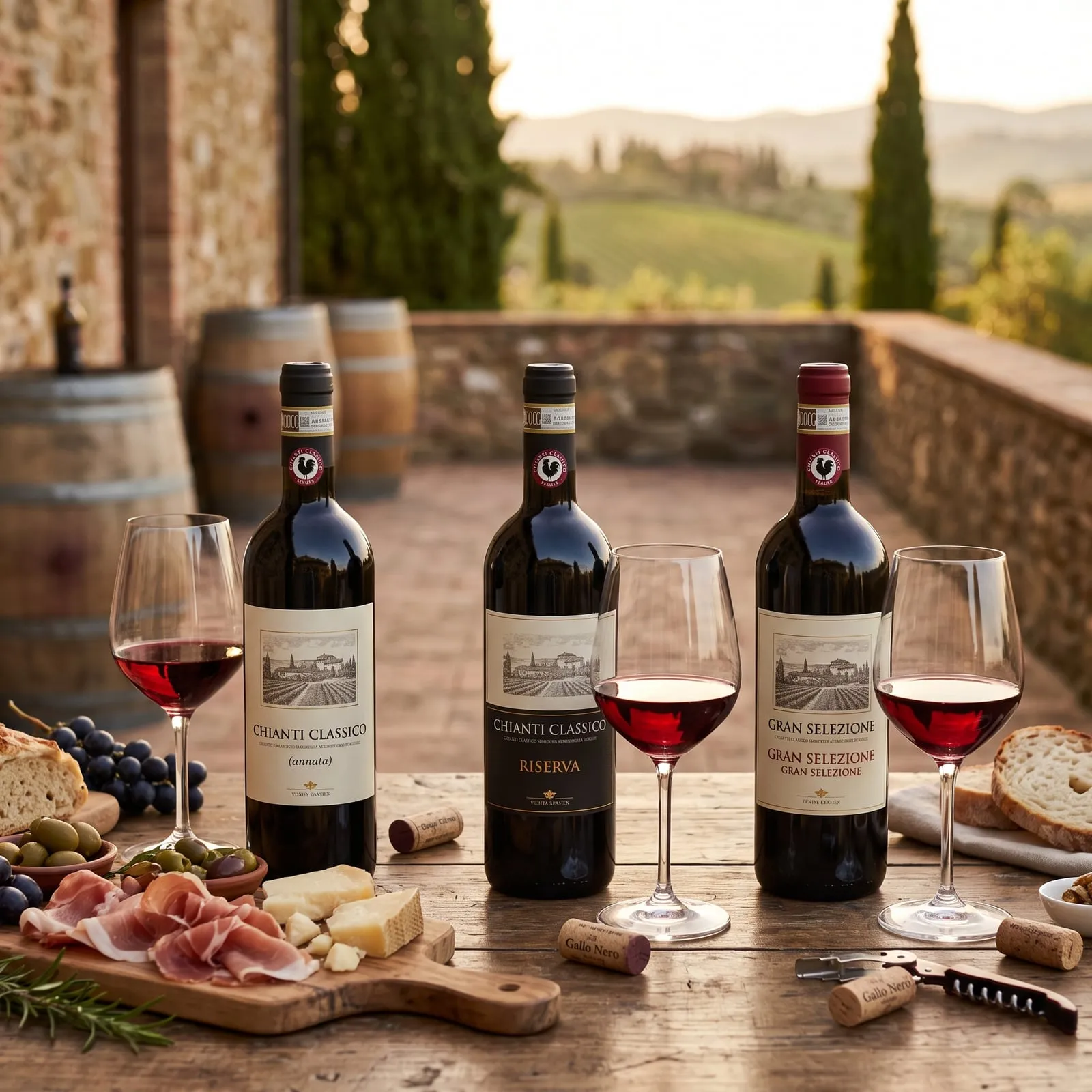
The short answer: Chianti Classico Riserva must age at least 24 months, including 3 in bottle, before release, while a standard Chianti Classico can be sold after about 12 months. That extra time makes Riserva more concentrated, complex and age-worthy, and it usually costs more.
Both wines come from the same hills between Florence and Siena. Both are built on Sangiovese. Both carry the black rooster (Gallo Nero) on the neck.
The difference lies in grape selection, ageing and style. Here is what that means in your glass.
What the rules say
Chianti Classico is a DOCG with three quality levels. Each one has its own minimum ageing.
| Level | Minimum ageing | Minimum alcohol | Price tier |
|---|---|---|---|
| Chianti Classico (Annata) | About 12 months (released from 1 October after harvest) | 12% | €–€€ |
| Chianti Classico Riserva | 24 months, of which 3 in bottle | 12.5% | €€ |
| Chianti Classico Gran Selezione | 30 months, of which 3 in bottle, estate-grown grapes only | 13% | €€–€€€ |
All three must contain at least 80% Sangiovese. The rest can be native grapes such as Canaiolo and Colorino, or international varieties such as Merlot.
The rules do not require oak for any level. In practice, most producers age Riserva in large casks (botti) or French barriques, which adds spice and softens the tannins.
How they taste
Chianti Classico is about freshness. Expect red cherry, violet and a hint of dried herbs. Acidity is lively and the tannins are firm but not heavy.
Riserva shows a deeper, more layered profile. Fruit moves towards dark and dried cherry, with notes of leather, tobacco, cedar and sweet spice. The texture is rounder and the finish longer.
Producers usually keep their best plots and their ripest grapes for Riserva. So the difference is not only time in the cellar, but also the raw material.
Side-by-side comparison
| Pros | Cons |
|---|---|
| Pros: Bright red cherry and violet, very food-friendly acidity | Cons: Less depth and length than a Riserva |
| Pros: Ready to drink on release, at its best within 2–6 years | Cons: Young tannins can feel firm without food |
| Pros: Excellent value, usually in the € price tier | Cons: Not built for long cellaring |
| Pros | Cons |
|---|---|
| Pros: Concentrated dark cherry, leather, tobacco and spice | Cons: Costs more than the standard version |
| Pros: Rounder tannins and a longer finish after 24+ months of ageing | Cons: Oak can dominate in some modern styles |
| Pros: Ages gracefully for 10–15 years or more | Cons: Best after a few years in bottle, so less ideal for drinking now |
Which one to choose
Pick Chianti Classico for weeknight meals. It shines with pizza, pasta al ragù, tomato-based dishes and a board of salumi. Its acidity cuts through fat and matches tomato.
Pick Riserva for richer dishes and special occasions. Think bistecca alla fiorentina, slow-cooked beef, game, wild boar ragù or aged pecorino.
Serve both slightly below room temperature, around 16–18 °C. Decant a young Riserva for an hour to let it open up.
Where to buy
Instead of pushing a single label, we link to the Chianti Classico selection on Vino.com, where you will find the Annata, the Riserva and the Gran Selezione from many producers. Tip: buy them from the same estate and taste them side by side.
Shop links may earn us a commission at no extra cost to you.
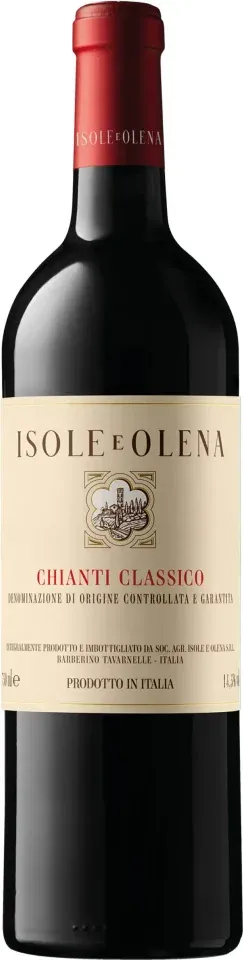
Chianti Classico DOCG
Region: Chianti Classico, Tuscany
Tasting notes
- Red cherry
- Violet
- Fresh acidity
- Fine, crisp tannins
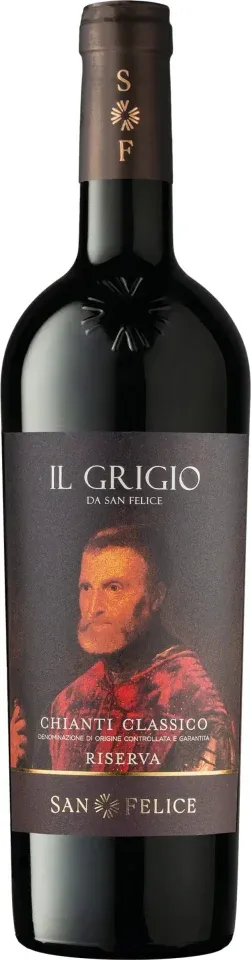
Chianti Classico Riserva DOCG
Region: Chianti Classico, Tuscany
Tasting notes
- Dark cherry
- Leather and tobacco
- Sweet spice
- Long, polished finish
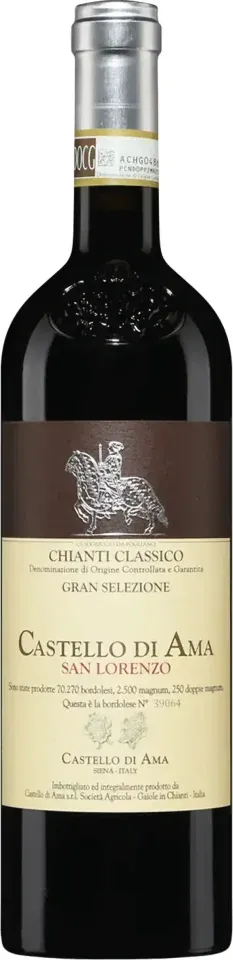
Chianti Classico Gran Selezione DOCG
Region: Chianti Classico, Tuscany
Tasting notes
- Ripe black cherry
- Graphite and dried herbs
- Dense, velvety tannins
- Very long finish
Conclusion
Chianti Classico and Riserva are two expressions of the same place. The standard version is the everyday Tuscan red: fresh, versatile and fairly priced. Riserva is the one to open with a great steak or to lay down for a few years.
If you are new to the region, buy one of each from the same producer and taste them side by side. It is the fastest way to understand what ageing does to Sangiovese.
Frequently asked questions
Is Chianti Classico Riserva better than Chianti Classico?
Not better, just different. Riserva is aged at least 24 months and is usually made from the best grapes, so it is richer and ages longer. Chianti Classico is fresher, more versatile at the table and better value for everyday drinking.
How long can you keep a Chianti Classico Riserva?
A good Riserva drinks well from about 5 years after the harvest and can keep for 10 to 15 years or more in a cool, dark place. A standard Chianti Classico is best within 2 to 6 years.
What is the difference between Chianti and Chianti Classico?
They are two separate DOCGs. Chianti Classico comes only from the historic zone between Florence and Siena and carries the black rooster seal. Plain Chianti covers a much larger area of Tuscany with looser rules.
How we put this article together
We have not tasted every bottle we mention. Tasting notes and scores come from the sources we name: the producer's technical sheet, the retailer's listing or a critic, always credited.
Prices are indicative. In our tables, € means up to about €25, €€ about €25–50 and €€€ above €50, based on what these wines typically cost in European shops. When a review quotes a price, it is the price we saw on the retailer's page on the date shown. Check the current price and availability before you buy.
Shop links may earn us a commission at no extra cost to you. No retailer pays to be included, and a commission never decides what we recommend. How we work with retailers