Wine Guide
Chablis vs Sancerre: France's Two Great Crisp Whites Compared
Chablis or Sancerre? Chardonnay from northern Burgundy against Sauvignon Blanc from the Loire: soils, taste, quality levels, food pairings and price tiers.
 By Leandro ScarpattiPublished on
Advertising: this article contains links to online shops that may be affiliate links. If you buy through them, we may earn a commission, at no extra cost to you. How we work with retailers
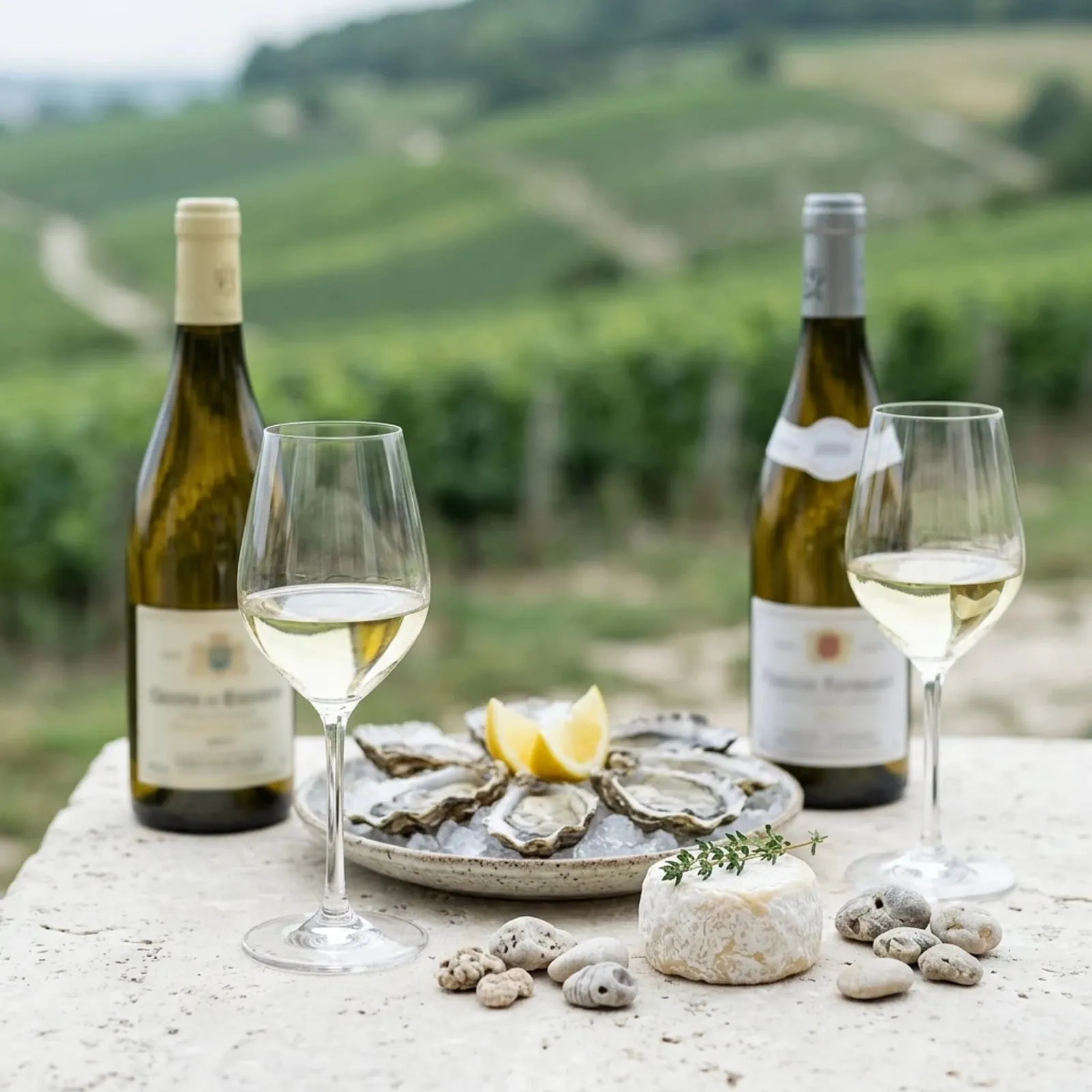
The short answer: Chablis and Sancerre are two of France’s most famous crisp, dry white wines, and they come from neighbouring cool regions just 120 kilometres apart. Chablis, in the north of Burgundy, is made from Chardonnay and tastes of green apple, lemon and a flinty, salty mineral note. Sancerre, in the eastern Loire Valley, is made from Sauvignon Blanc and is more aromatic, with grapefruit, gooseberry, cut grass and zesty acidity. Choose Chablis for oysters and fish in butter sauce, Sancerre for goat’s cheese, salads and herbs.
Both wines are often ordered by name in restaurants, and both are a safe choice with seafood. But they are made from different grapes, and the difference shows in the glass.
The two wines at a glance
| Chablis | Sancerre | |
|---|---|---|
| Where | Northern Burgundy, around the town of Chablis (Yonne) | Eastern Loire Valley, around the hilltop village of Sancerre |
| Grape | Chardonnay | Sauvignon Blanc (Pinot Noir for red and rosé) |
| Soils | Kimmeridgian limestone and marl, full of tiny fossil oyster shells | Three main types: white marl (terres blanches), limestone pebbles (caillottes) and flint (silex) |
| Oak | Mostly none; some Premier and Grand Cru use old barrels | Mostly none |
| Aromas | Green apple, lemon, white flowers, wet stone | Grapefruit, gooseberry, lime, cut grass, flint |
| Texture | Taut, mineral, rounder with age | Zesty, aromatic, very fresh |
| Quality levels | Petit Chablis, Chablis, Premier Cru, Grand Cru | One appellation, with named villages and plots on many labels |
| Price tier | €€ (Premier and Grand Cru €€–€€€) | €€ |
Chablis: Chardonnay without the butter
Chablis sits on its own, closer to Champagne than to the rest of Burgundy. The climate is cool, with risk of spring frost, and the best slopes lie on Kimmeridgian limestone, a 150-million-year-old soil packed with fossil oyster shells.
Most producers ferment and age the wine in stainless steel, so the fruit stays crisp: green apple, lemon, pear and white flowers, with a stony, salty finish that many people call “oyster shell”. The quality pyramid is easy to read:
- Petit Chablis: the lightest, from outlying plots.
- Chablis: the main category, fresh and mineral.
- Chablis Premier Cru: around 40 named sites, such as Montée de Tonnerre, Vaillons and Fourchaume.
- Chablis Grand Cru: seven top slopes on one hillside (Blanchot, Bougros, Les Clos, Grenouilles, Preuses, Valmur and Vaudésir), richer and long-lived.
To see how Chablis fits into the wider region, read our Bordeaux vs Burgundy comparison.
Sancerre: the benchmark Sauvignon Blanc
Sancerre is the most famous wine of the Centre-Loire, the eastern end of the Loire Valley. Across the river lies Pouilly-Fumé, its closest neighbour and rival.
Here Sauvignon Blanc ripens slowly and keeps high, zesty acidity. The wine is intensely aromatic: grapefruit, lime, gooseberry, cut grass, blackcurrant leaf and, on flint soils, a smoky, struck-match note. Compared with the tropical Sauvignon Blancs of warmer countries, Sancerre is leaner, more mineral and more restrained.
Side by side
| Pros | Cons |
|---|---|
| Pros: Crisp, mineral and very elegant | Cons: Less aromatic than Sauvignon Blanc |
| Pros: Perfect with oysters and shellfish | Cons: Top crus climb to the €€€ tier |
| Pros: Premier and Grand Cru age beautifully | Cons: Frost can make some vintages scarce |
| Pros | Cons |
|---|---|
| Pros: Vivid, aromatic and refreshing | Cons: Grassy notes are not for everyone |
| Pros: The classic match for goat's cheese | Cons: Best drunk young in most cases |
| Pros: Very consistent quality across producers | Cons: Can feel sharp without food |
Which one with which food
| Dish | Best choice | Why |
|---|---|---|
| Raw oysters | Chablis | The salty, mineral finish echoes the sea |
| Fish in butter or cream sauce | Chablis | Enough body for the sauce, enough acidity to cut it |
| Roast chicken, veal | Chablis (Premier Cru) | Rounder texture for white meat |
| Goat’s cheese, crottin de Chavignol | Sancerre | The local match: acidity against tangy cheese |
| Salads, asparagus, green vegetables | Sancerre | Herbal notes meet green flavours |
| Sushi, ceviche, Thai herbs | Sancerre | Zesty citrus with raw fish and herbs |
| Grilled prawns, white fish | Both | Light dishes for light wines |
For more ideas, see our guides to wine with fish and seafood and wine with cheese.
How to serve them
Serve both well chilled, at 8–10 °C. Give a Chablis Premier or Grand Cru a little more warmth, 10–12 °C, so its fuller texture shows. A standard white wine glass is perfect. Most Sancerre and village Chablis are best within three or four years of the vintage; good Premier and Grand Cru Chablis can age for ten years or more.
Where to buy
Instead of pushing one bottle, we send you to the full Chablis and Sancerre selections on Vino.com, where you can compare producers, vintages and prices. The notes below describe each wine in its classic style.
Shop links may earn us a commission at no extra cost to you.
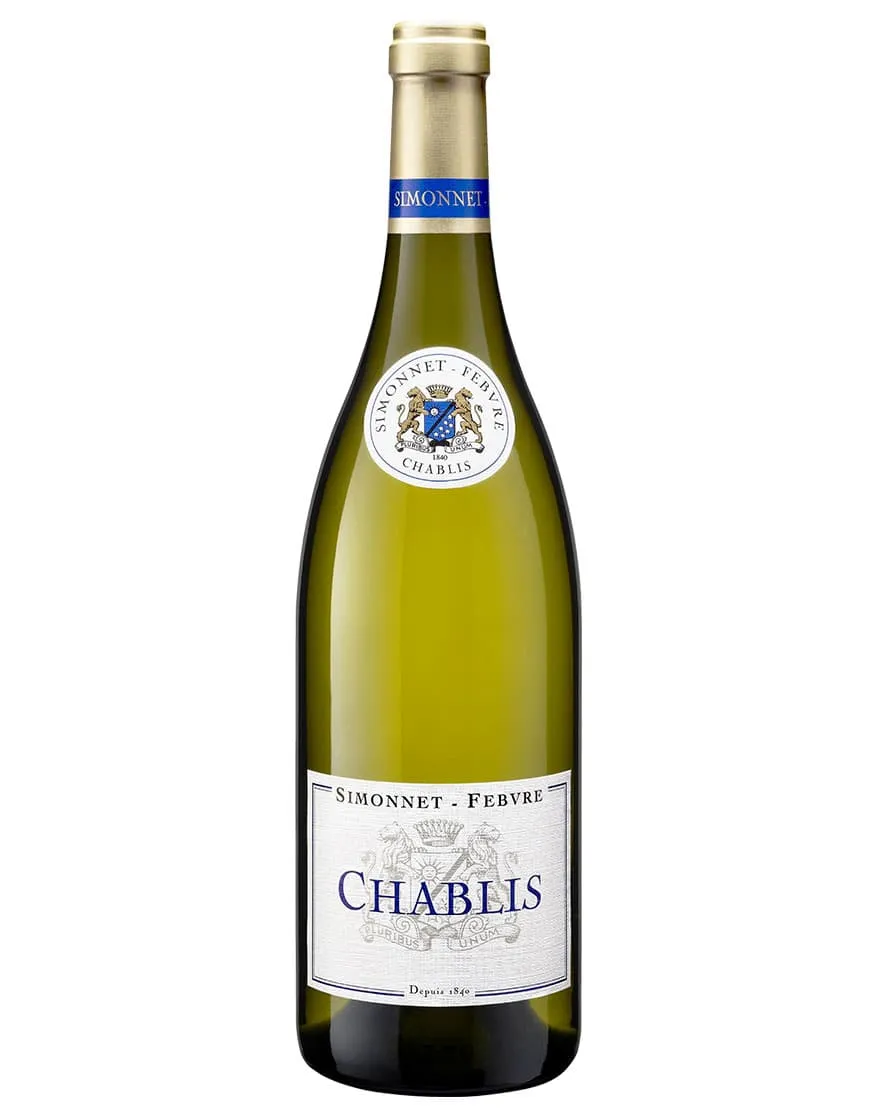
Chablis AOC
Region: Burgundy, France
Tasting notes
- Green apple and lemon
- Flinty, salty finish
- Crisp acidity
- Light to medium body
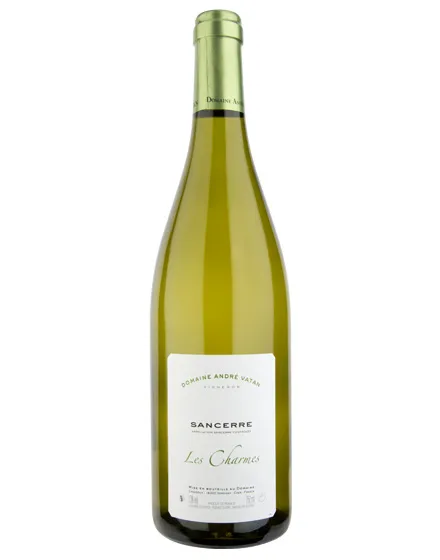
Sancerre AOC
Region: Loire Valley, France
Tasting notes
- Grapefruit and lime
- Gooseberry and cut grass
- Zesty acidity
- Light body
Verdict
Chablis and Sancerre are both crisp, dry and made for food, but they speak with different voices. Chablis is quiet and mineral, the white to open with oysters, fish in butter sauce or roast chicken. Sancerre is louder and more aromatic, perfect with goat’s cheese, salads and herbs.
If you usually like Chardonnay, start with Chablis. If you love fresh, zesty whites, Sancerre is your wine.
Frequently asked questions
Is Chablis the same as Chardonnay?
Chablis is always made from Chardonnay, but it tastes very different from the rich, buttery Chardonnays of warmer places. The cool climate and limestone soils of northern Burgundy, and the fact that most Chablis sees little or no new oak, give a lean, crisp wine with green apple, lemon and a flinty finish.
Is Sancerre always white?
No. Most Sancerre is white and made from Sauvignon Blanc, but the appellation also produces red and rosé Sancerre from Pinot Noir. If a wine list just says "Sancerre", it almost always means the white.
Which is drier, Chablis or Sancerre?
Both are dry, with no noticeable sugar. Sancerre often feels sharper because Sauvignon Blanc has very aromatic, zesty acidity and notes of grapefruit and cut grass. Chablis feels rounder and more mineral, especially at Premier and Grand Cru level.
How we put this article together
We have not tasted every bottle we mention. Tasting notes and scores come from the sources we name: the producer's technical sheet, the retailer's listing or a critic, always credited.
Prices are indicative. In our tables, € means up to about €25, €€ about €25–50 and €€€ above €50, based on what these wines typically cost in European shops. When a review quotes a price, it is the price we saw on the retailer's page on the date shown. Check the current price and availability before you buy.
Shop links may earn us a commission at no extra cost to you. No retailer pays to be included, and a commission never decides what we recommend. How we work with retailers