Wine Guide
Champagne vs Prosecco vs Cava: The Differences and Which to Buy
Champagne, Prosecco or Cava? Grapes, method, sweetness, taste, food and price tiers of Europe's three most popular sparkling wines, and when to pick each.
 By Leandro ScarpattiPublished on
Advertising: this article contains links to online shops that may be affiliate links. If you buy through them, we may earn a commission, at no extra cost to you. How we work with retailers
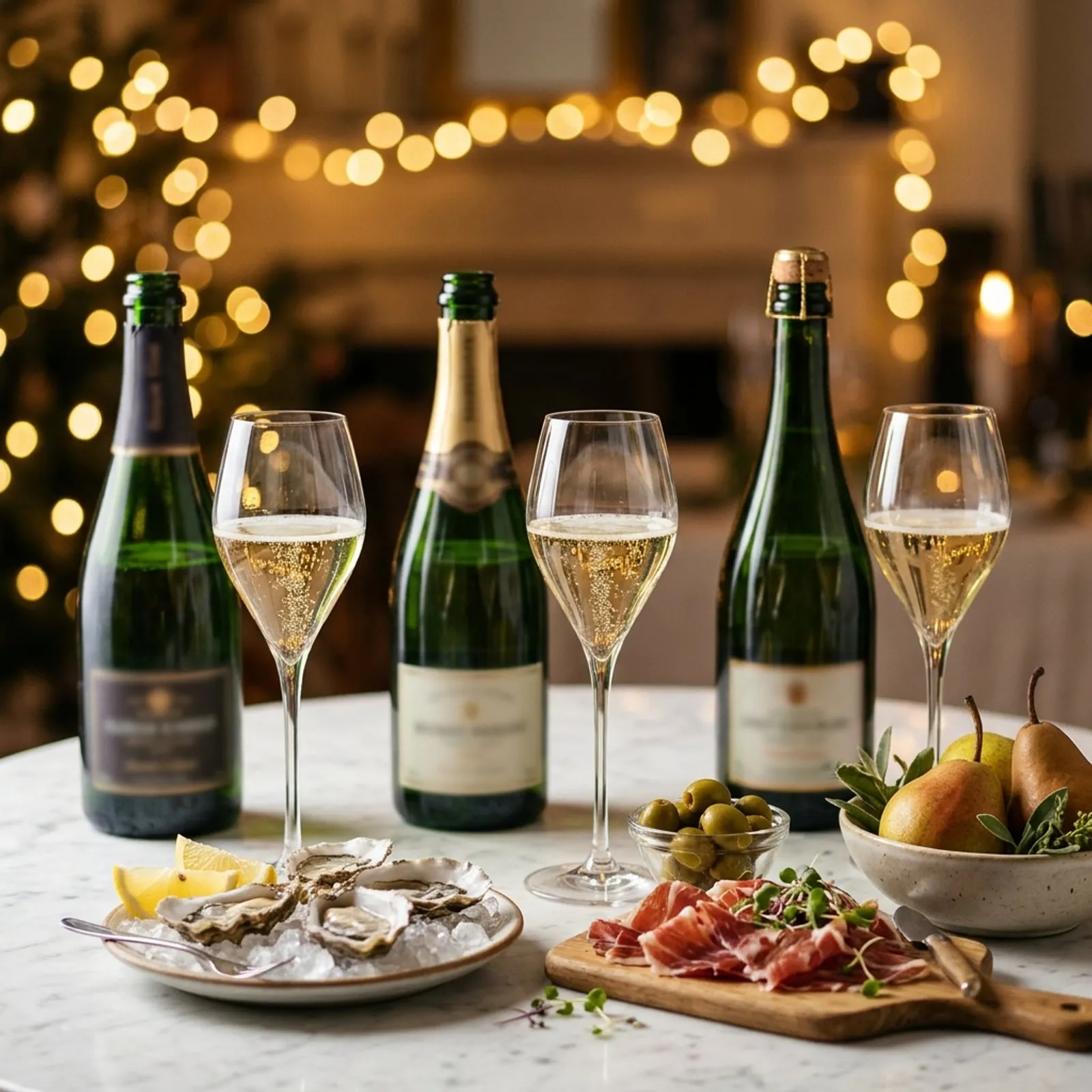
The short answer: Champagne, Prosecco and Cava are Europe’s three best-known sparkling wines, and they differ in grape, method and price. Champagne (France) and Cava (Spain) get their bubbles from a second fermentation in the bottle, which gives toasty, bready notes and fine bubbles. Prosecco (Italy) ferments a second time in a large tank, so it stays fresh, fruity and light. Choose Champagne for a big occasion, Prosecco for aperitifs and parties, and Cava for traditional-method bubbles at an everyday price.
The three often sit side by side on the shelf, and many people use the names as if they meant the same thing. They do not: each one is a protected name tied to a region, with its own rules.
Here is what changes in the glass, and how to choose.
The three in one table
| Champagne AOC | Prosecco DOC | Cava DO | |
|---|---|---|---|
| Country and region | Champagne, northeast France | Veneto and Friuli Venezia Giulia, northeast Italy | Spain, mostly Penedès in Catalonia |
| Main grapes | Chardonnay, Pinot Noir, Meunier | Glera (at least 85%) | Macabeo, Xarel·lo, Parellada |
| How the bubbles form | Second fermentation in the bottle (traditional method) | Second fermentation in a tank (Martinotti or Charmat method) | Second fermentation in the bottle (traditional method) |
| Minimum time on the lees | 12 months for non-vintage (15 months before release) | No long ageing: released young | 9 months; 18 for Reserva, 30 for Gran Reserva |
| Typical taste | Brioche, toast, apple, citrus | Pear, green apple, white flowers | Citrus, apple, almond, a savoury touch |
| Price tier | €€€ | € | € |
The quality step up for Prosecco is Conegliano Valdobbiadene Prosecco Superiore DOCG, from the steep hills between those two towns.
Why the method matters
In the traditional method, used for Champagne and Cava, the base wine gets a dose of sugar and yeast and is closed in the bottle you will buy. The second fermentation creates the bubbles inside it. The wine then rests on the dead yeast (the lees), which gives notes of bread, brioche and toast and very fine, persistent bubbles.
In the tank method, used for Prosecco, the second fermentation happens in large pressure tanks and the wine is bottled afterwards. It is faster and keeps the fresh aroma of the Glera grape in front: pear, apple and flowers. The bubbles are often softer and frothier.
Neither method is “better”. They make different styles: one complex and toasty, the other fresh and fruity.
How they taste
Champagne has high acidity from the cool northern climate, fine bubbles and notes of apple, lemon, brioche and toasted almond. Blanc de Blancs (only Chardonnay) is lighter and more citrusy; blends with Pinot Noir have more body.
Prosecco is light, aromatic and easy to drink, with pear, green apple, acacia flowers and a soft finish. It is best young, within a year or two of the harvest.
Cava sits between the two: traditional-method bubbles with a riper, Mediterranean fruit, notes of citrus, apple and almond, and often a slightly earthy, savoury touch from Xarel·lo.
Side by side
| Pros | Cons |
|---|---|
| Pros: The most complex of the three: brioche, toast and a long finish | Cons: The most expensive: the €€€ tier |
| Pros: Fine, persistent bubbles from long ageing on the lees | Cons: Big brands charge a premium for the name |
| Pros: Top bottles and vintage Champagne can age for years | Cons: Too costly for a spritz or a large party |
| Pros | Cons |
|---|---|
| Pros: Fresh, fruity and easy to like | Cons: Less complex than traditional-method wines |
| Pros: Affordable: the € tier | Cons: Best drunk young, not for keeping |
| Pros: Perfect for aperitifs, spritz and brunch | Cons: Extra Dry is slightly sweet: check the label if you want it dry |
| Pros | Cons |
|---|---|
| Pros: Same method as Champagne, at a fraction of the price | Cons: Basic Cava can be simple and neutral |
| Pros: Dry and food-friendly, great with tapas | Cons: Shorter minimum ageing than Champagne |
| Pros: Reserva and Gran Reserva offer longer ageing for little money | Cons: Quality varies a lot between producers |
Which one with which food
| Food or moment | Best choice | Why |
|---|---|---|
| Aperitif, crisps, olives, light snacks | Prosecco | Light and fruity, it opens the appetite |
| Spritz and cocktails | Prosecco | Fresh fruit and a softer price for mixing |
| Oysters, caviar, smoked salmon | Champagne | High acidity and fine bubbles clean the palate |
| Fried food, fried chicken, tempura | Champagne or Cava | The bubbles and acidity cut through the fat |
| Tapas, jamón, Manchego | Cava | A Spanish match: dry, savoury and refreshing |
| Spicy Asian dishes | Prosecco | A touch of sweetness in Extra Dry calms the heat |
| A toast, a wedding, a gift | Champagne | The name and the style match the occasion |
For the festive table, see also our Christmas dinner wine guide.
Reading the sweetness on the label
The same scale is used for all three, from driest to sweetest: Brut Nature (no added sugar), Extra Brut, Brut, Extra Dry, Dry and Demi-Sec.
The trap is the word “Extra Dry”: it is sweeter than Brut. Many Prosecco bottles are Extra Dry, which is why Prosecco can taste rounder than a Brut Champagne or Cava. If you want a truly dry Prosecco, choose a Brut.
How to serve them
Serve Prosecco well chilled at 6–8 °C, and Champagne and Cava a little warmer, at 8–10 °C, so their aromas open up. A tulip-shaped white wine glass shows the aroma better than a narrow flute. Open the bottle gently, holding the cork and turning the bottle, so the wine does not foam over.
Where to buy
Instead of pushing one bottle, we send you to the full Champagne, Prosecco and Cava selections on Vino.com, where you can compare producers, styles and prices. The notes below describe each wine in its classic style.
Shop links may earn us a commission at no extra cost to you.

Champagne AOC
Region: Champagne, France
Tasting notes
- Brioche and toast
- Apple and lemon
- Fine bubbles
- Long finish
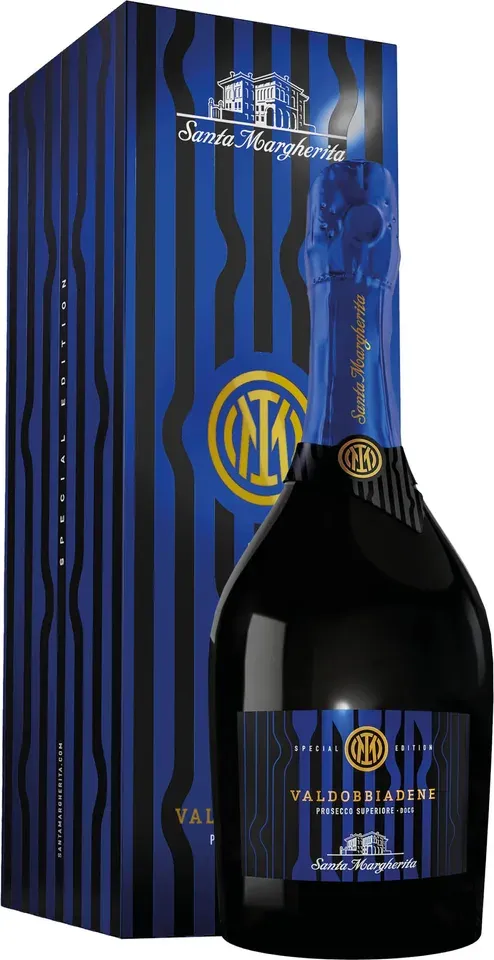
Prosecco
Region: Veneto, Italy
Tasting notes
- Pear and green apple
- White flowers
- Light and fresh
- Soft bubbles

Cava DO
Region: Penedès, Spain
Tasting notes
- Citrus and apple
- Almond
- Dry and savoury
- Traditional method
If you are curious about Italy’s answer to Champagne, read Prosecco vs Franciacorta, our Italian sparkling wine guide and our Veuve Clicquot Yellow Label review.
Verdict
Champagne, Prosecco and Cava are not interchangeable. Champagne is the toasty, complex choice for the moments that matter. Prosecco is the fresh, fruity bottle for aperitifs and parties. Cava gives you the Champagne method at an everyday price.
If you only buy one for a party, Prosecco or Cava will please most people. If you want to impress, open the Champagne.
Frequently asked questions
Is Prosecco a type of Champagne?
No. Champagne can only come from the Champagne region in France. Prosecco is an Italian sparkling wine from Veneto and Friuli Venezia Giulia, made mainly from the Glera grape and with a different method: the second fermentation happens in a large tank, not in each bottle.
Which is sweeter: Champagne, Prosecco or Cava?
It depends on the label, not the name. Most Champagne and Cava are Brut, which is dry. A lot of Prosecco is sold as Extra Dry, which, despite the name, is slightly sweeter than Brut. If you want the driest bottle, look for Brut, Extra Brut or Brut Nature on the label.
Is Cava as good as Champagne?
Cava is made with the same method as Champagne, with the second fermentation in the bottle, but from different grapes and in a warmer climate, and it usually spends less time on the lees. A good Cava Reserva or Gran Reserva can be excellent value, but top Champagne is still more complex and long-lived.
How we put this article together
We have not tasted every bottle we mention. Tasting notes and scores come from the sources we name: the producer's technical sheet, the retailer's listing or a critic, always credited.
Prices are indicative. In our tables, € means up to about €25, €€ about €25–50 and €€€ above €50, based on what these wines typically cost in European shops. When a review quotes a price, it is the price we saw on the retailer's page on the date shown. Check the current price and availability before you buy.
Shop links may earn us a commission at no extra cost to you. No retailer pays to be included, and a commission never decides what we recommend. How we work with retailers