Wine Guide
Which Wine for Christmas Dinner? Italian Bottles for Every Course
Which wine for Christmas dinner? Italian sparkling for the aperitif, a structured red for the roast and Moscato d'Asti for panettone, course by course.
 By Leandro ScarpattiPublished on Updated on
Advertising: this article contains links to online shops that may be affiliate links. If you buy through them, we may earn a commission, at no extra cost to you. How we work with retailers
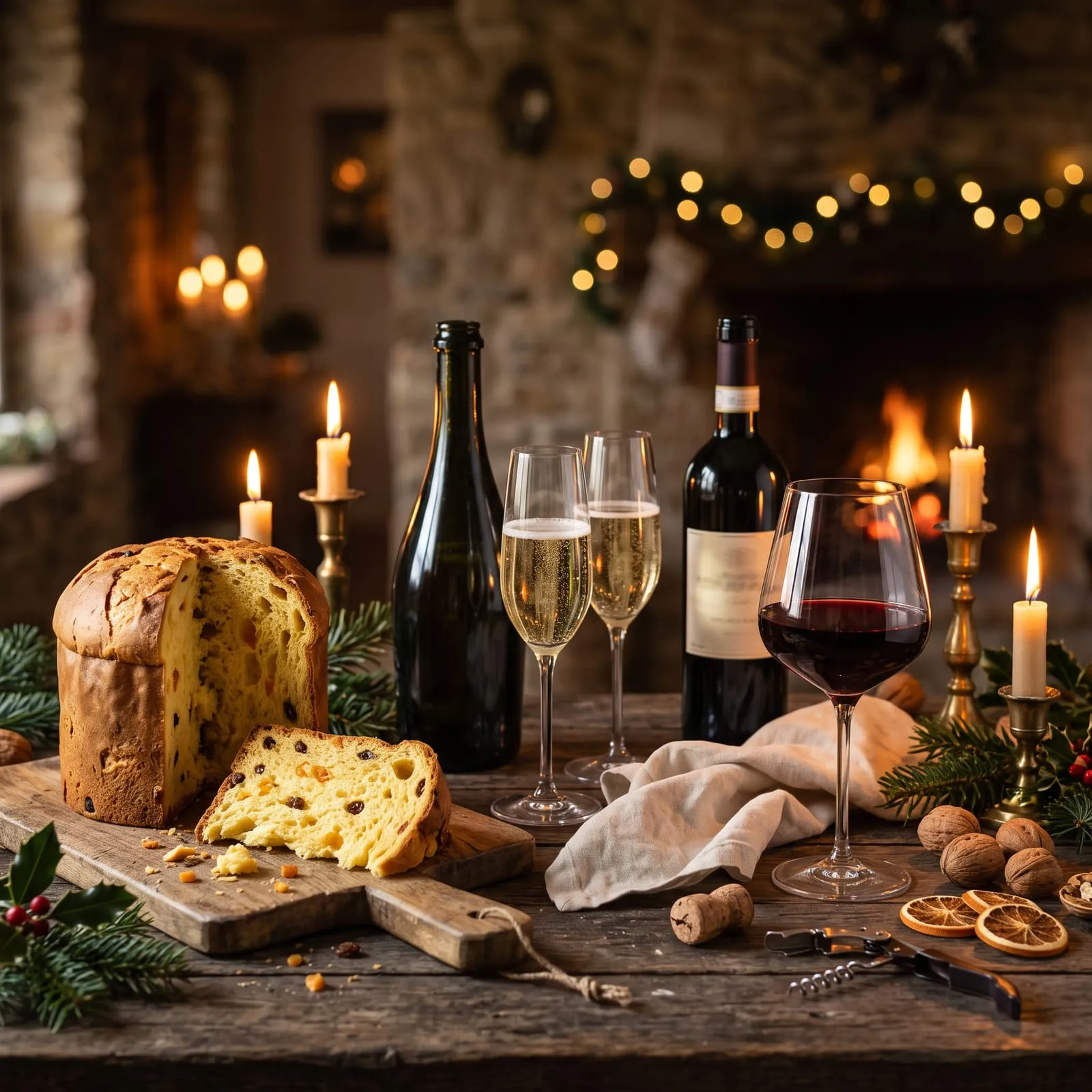
The short answer: for Christmas dinner, open an Italian sparkling wine such as Prosecco Superiore or Franciacorta for the aperitif and starters, a structured red such as Chianti Classico, Barolo or Amarone for the roast, and a sweet, gently fizzy Moscato d’Asti with the panettone or pandoro.
Christmas is the one meal of the year where a single wine rarely does it all. There are salty nibbles, fish or seafood starters, a big roast and a sweet cake, often across four or five hours.
The good news: Italy has a wine for each step, and you do not need expensive bottles to get it right. Here is how to plan the evening course by course.
Sparkling for the aperitif and starters
Bubbles are the best way to open the evening. Acidity and carbonation wake up the palate, cut through fried and salty starters and pair with almost everything on an antipasti board.
Prosecco Superiore from Conegliano Valdobbiadene is the light, fruity option. Pear, green apple and white flowers make it easy with olives, cured ham, crostini and the first toast. Choose a Brut or Extra Brut if your starters are savoury.
Franciacorta is the more serious option. It is made by the traditional method, like Champagne, and rests at least 18 months on its lees. That gives it a creamy texture and notes of brioche and toasted nuts, which stand up to smoked salmon, shellfish, fried fish and rich pastries.
Not sure which one suits your table? Our Prosecco vs Franciacorta guide compares the two in detail.
Red for the main course
The roast is the heart of the meal, and the wine depends on the meat. The general rule: the fattier and darker the meat, the more tannin and body the wine can have.
Roast turkey is lean and delicate. A heavy, tannic red will overwhelm it. Choose a Chianti Classico: Sangiovese brings red cherry, fresh acidity and medium tannins that suit the meat, the gravy and the herbs in the stuffing.
Roast pork and glazed ham have more fat and often a sweet or spiced glaze. Chianti Classico still works, but a dry Lambrusco Grasparossa di Castelvetro is a fun alternative. It is a dark, lightly sparkling red whose bubbles and acidity clean up the fat.
Roast lamb loves Nebbiolo. A Barolo, with its firm tannins, high acidity and notes of rose, tar and dried herbs, matches lamb with rosemary and garlic. Our Barolo vs Barbaresco guide explains which of the two to pick.
Roast beef or a rib of beef is the time for power. Barolo works again, or go richer with an Amarone della Valpolicella, made from dried grapes, full of dark plum, spice and chocolate. The same logic as in our ribeye steak pairing guide applies: marbling loves tannin.
Fish, salt cod or a vegetarian main? Many families serve fish on Christmas Eve, especially in southern Italy. Here, a structured white such as Verdicchio dei Castelli di Jesi is the safe choice. Its citrus, almond and saline finish handle baked cod, seafood pasta and creamy sauces.
One bottle all night: the Franciacorta option
Some hosts would rather not juggle four wines. If you want a single bottle from aperitif to dessert, traditional-method sparkling is the most flexible choice.
| Pros | Cons |
|---|---|
| Pros: High acidity and fine bubbles pair with starters, fish, poultry and pork | Cons: Not powerful enough for roast beef, lamb or a game stew |
| Pros: Creamy, toasty notes give it enough body for a turkey dinner | Cons: A dry Brut tastes sour next to a sweet panettone |
| Pros: Festive by definition, everyone enjoys a toast | Cons: Costs more per bottle than Prosecco or a simple red |
Dessert wine for panettone and pandoro
Dessert is where most Christmas pairings go wrong. The golden rule: the wine must be at least as sweet as the dessert. Otherwise it tastes sour and thin.
Moscato d’Asti is the Italian classic with panettone. It is gently sparkling (frizzante), sweet, very aromatic, and low in alcohol, often around 5%. Peach, apricot and orange blossom echo the candied citrus and raisins in the cake, and the bubbles keep each bite light.
With pandoro, which is softer, buttery and dusted with icing sugar, Moscato d’Asti works just as well. If you prefer something richer with dried fruit and nuts, a sweet passito wine is the next step up.
For six Italian matches, including chocolate panettone, see our guide to the best wine with panettone and pandoro.
Christmas wine pairing at a glance
| Dish | Wine | Why it works | Price tier |
|---|---|---|---|
| Aperitif, antipasti, crostini | Prosecco Superiore DOCG | Fresh fruit and light bubbles open the palate | € |
| Seafood starters, fried fish | Franciacorta DOCG | Creamy texture and acidity handle richness and salt | €€ |
| Baked fish, salt cod, vegetarian main | Verdicchio dei Castelli di Jesi | Citrus, almond and a saline finish | € |
| Roast turkey | Chianti Classico DOCG | Fresh acidity and medium tannin, never heavy | €–€€ |
| Roast pork, glazed ham | Lambrusco Grasparossa di Castelvetro | Dry, dark and fizzy, it cuts through fat | € |
| Roast lamb | Barolo DOCG | Firm tannins and herbal notes suit rosemary and garlic | €€–€€€ |
| Roast beef, rib of beef | Amarone della Valpolicella DOCG | Full body and dark fruit match a dark crust | €€–€€€ |
| Panettone, pandoro | Moscato d’Asti DOCG | Sweet, low alcohol, echoes candied fruit | € |
Prices are typical retail ranges for each category and vary by producer and vintage. For more reds that will not break the budget, see our best Italian red wines under 50 euros.
How much wine to buy per guest
A common guideline is one 750 ml bottle for every two to three adults across the evening. A bottle pours about five or six glasses, and a long Christmas dinner usually means two to three glasses per person.
For eight adults, that means roughly three to four bottles. A sensible split would be one sparkling for the aperitif, two reds for the main course and one Moscato d’Asti for dessert.
Buy one extra bottle of whatever you serve with the main course. Unopened wine keeps, and running out halfway through the roast is worse than having one left over.
Serve sparkling and Moscato at 6–8 °C, whites at 8–10 °C and reds at 16–18 °C. Open a young Barolo or an Amarone an hour before the roast reaches the table.
Plan your own menu: our Christmas dinner wine planner picks a wine for every course and works out how many bottles to buy for your number of guests.
Where to buy
Three bottles to cover the whole meal. Instead of pushing specific labels, we link to the Franciacorta, Chianti Classico and Barolo selections on Vino.com, so you can choose the producer and price that suit your table.
Shop links may earn us a commission at no extra cost to you.
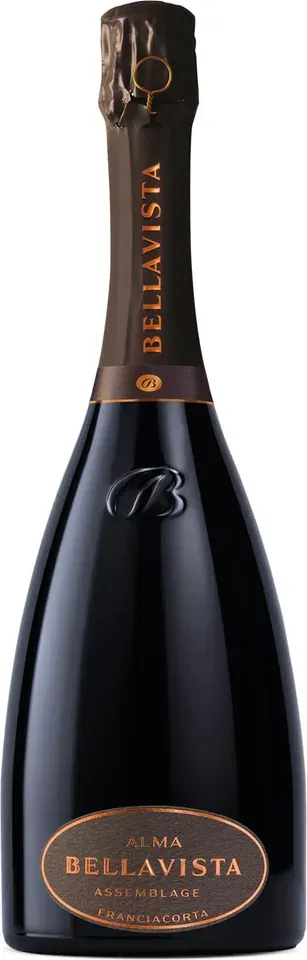
Franciacorta DOCG
Region: Lombardy
Tasting notes
- Brioche and toasted almond
- Yellow apple and citrus
- Fine, creamy bubbles
- Fresh, long finish
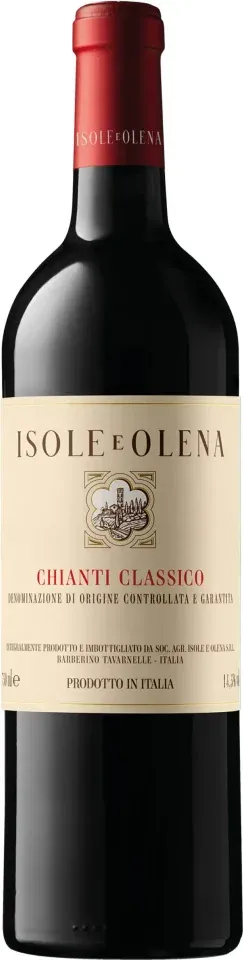
Chianti Classico DOCG
Region: Tuscany
Tasting notes
- Red cherry and violet
- Dried herbs
- Medium, savoury tannins
- Lively acidity
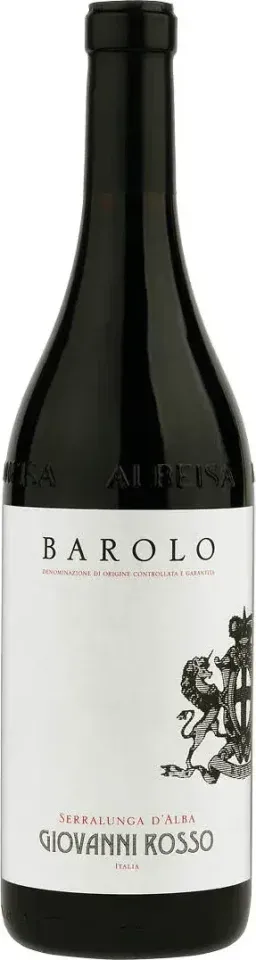
Barolo DOCG
Region: Piedmont
Tasting notes
- Rose and red cherry
- Tar and liquorice
- Firm, fine tannins
- Long, fresh finish
Conclusion
Christmas dinner is easiest when you think in three steps. Sparkling to open, a red chosen for the roast, and a sweet wine for the cake.
Prosecco or Franciacorta for the aperitif, Chianti Classico for turkey, Barolo or Amarone for lamb and beef, and Moscato d’Asti with the panettone. Follow that and every course will have the right glass beside it.
If you are bringing a bottle as a gift rather than serving it, see our guide to the best Italian wine to give as a gift.
Frequently asked questions
What is the best all-round wine for Christmas dinner?
If you want a single bottle for the whole meal, choose a traditional-method sparkling such as Franciacorta. Its acidity and fine bubbles handle starters, fish, poultry and even a slice of panettone. For a red that covers most roasts, a Chianti Classico is the most flexible choice.
Which wine goes with roast turkey?
Turkey is lean and mild, so it needs a red with fresh acidity and moderate tannin rather than a heavy one. Chianti Classico, Barbera or a lighter Nebbiolo work well. If you prefer white, a structured Verdicchio dei Castelli di Jesi has enough body for the meat and the stuffing.
What wine should you serve with panettone?
Moscato d'Asti is the classic Italian match: lightly sparkling, sweet, low in alcohol and fragrant with peach and orange blossom, it mirrors the candied fruit in the cake. Avoid serving a dry brut with dessert, because the sugar in the panettone makes a dry wine taste sour and thin.
How we put this article together
We have not tasted every bottle we mention. Tasting notes and scores come from the sources we name: the producer's technical sheet, the retailer's listing or a critic, always credited.
Prices are indicative. In our tables, € means up to about €25, €€ about €25–50 and €€€ above €50, based on what these wines typically cost in European shops. When a review quotes a price, it is the price we saw on the retailer's page on the date shown. Check the current price and availability before you buy.
Shop links may earn us a commission at no extra cost to you. No retailer pays to be included, and a commission never decides what we recommend. How we work with retailers