Wine Guide
Best Wine with Panettone and Pandoro: 6 Italian Matches
Which wine goes with panettone and pandoro? Moscato d'Asti, Passito di Pantelleria, Recioto di Soave and Brachetto, and why a dry Brut is the wrong choice.
 By Leandro ScarpattiPublished on
Advertising: this article contains links to online shops that may be affiliate links. If you buy through them, we may earn a commission, at no extra cost to you. How we work with retailers
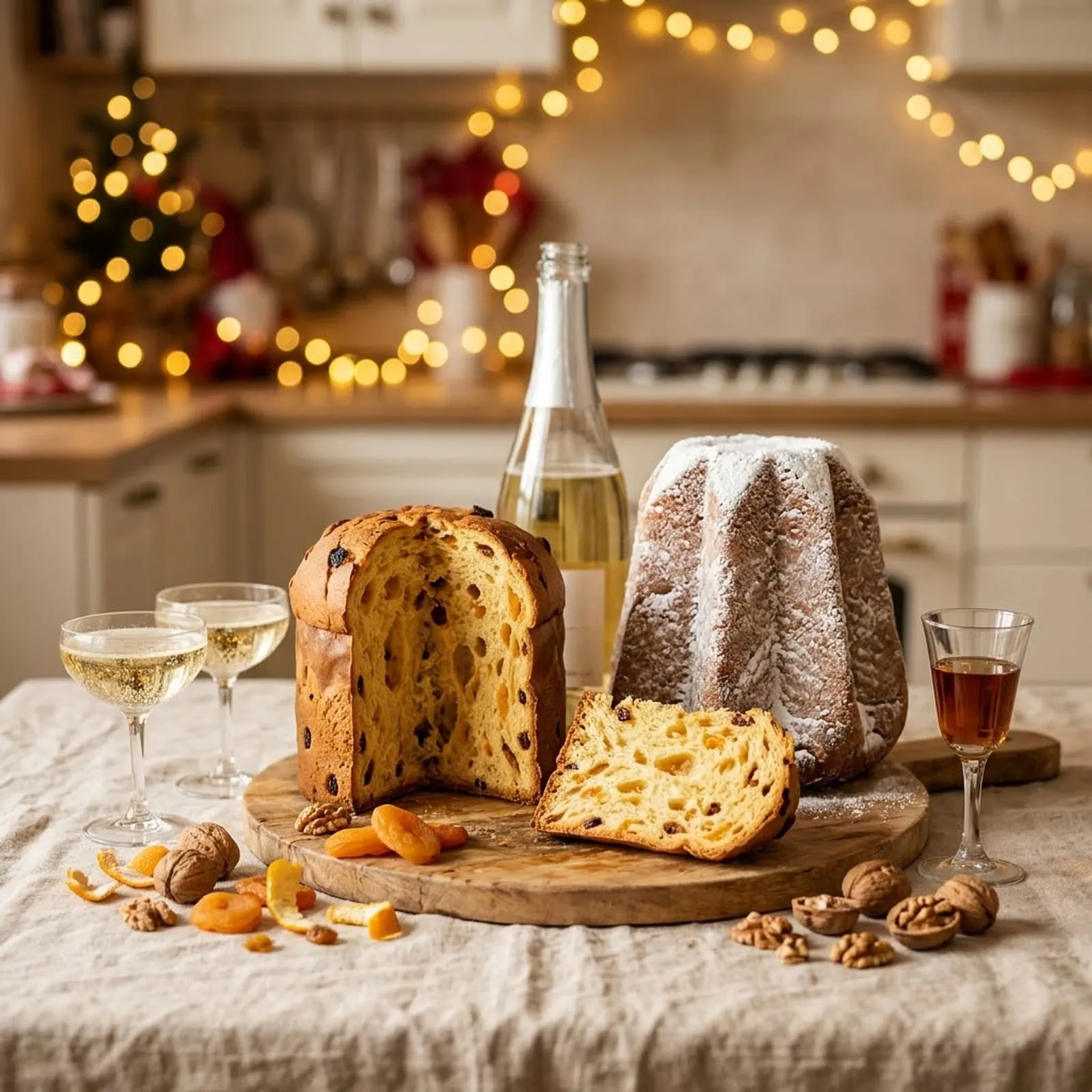
The short answer: the best wine with panettone and pandoro is Moscato d’Asti, a sweet, gently sparkling white from Piedmont with only about 5% alcohol. Its peach, apricot and orange blossom notes echo the candied fruit, and the bubbles lift the buttery dough. For a richer match, try a Passito di Pantelleria or a Recioto di Soave; with chocolate panettone, a sweet red Brachetto d’Acqui. Avoid dry Brut sparkling wine: next to the sugar it tastes sour.
In Italy, panettone and pandoro are on every Christmas table and in every office in December. Panettone comes from Milan: a tall, airy cake with candied orange, citron and raisins. Pandoro comes from Verona: star-shaped, buttery, golden and dusted with icing sugar.
Many families still toast them with a dry Brut. It is one of the most common pairing mistakes of the season.
Why a dry Brut does not work
Sugar changes how a wine tastes. When you drink a dry wine after a sweet bite, the wine seems more acidic, thinner and sometimes bitter.
That is why the golden rule of dessert pairing is simple: the wine must be at least as sweet as the dessert. Panettone and pandoro are only moderately sweet, but they are rich in butter and eggs, so the wine also needs freshness, from bubbles or acidity, to clean the palate.
6 Italian wines for panettone and pandoro
| Wine | Region | Style | Best with | Price tier |
|---|---|---|---|---|
| Moscato d’Asti DOCG | Piedmont | Sweet, gently sparkling, about 5% | Classic panettone, pandoro | € |
| Asti Spumante DOCG | Piedmont | Sweet, fully sparkling, about 7% | Pandoro, a crowd at the table | € |
| Passito di Pantelleria DOC | Sicily | Sweet, from dried Zibibbo grapes | Panettone with candied fruit, nut panettone | €€–€€€ |
| Recioto di Soave DOCG | Veneto | Sweet white from dried Garganega grapes | Pandoro, the cake of Verona | €€–€€€ |
| Brachetto d’Acqui DOCG | Piedmont | Sweet, gently sparkling red | Chocolate panettone, pandoro with cream | € |
| Vin Santo | Tuscany | Amber, from dried grapes, nutty | Panettone with nuts, almond panettone | €€–€€€ |
Prices are typical retail ranges for each category and vary by producer and vintage.
Moscato d’Asti: the classic match
Moscato d’Asti is made from Moscato Bianco grapes in the hills between Asti, Alba and Alessandria. Fermentation is stopped early, so the wine keeps a lot of natural grape sugar, a gentle sparkle and very little alcohol.
It smells of peach, apricot, sage and orange blossom. Those aromas sit perfectly next to candied orange and raisins, and the light bubbles keep the buttery dough from feeling heavy. With pandoro, which has no fruit, it works just as well: the vanilla and butter meet the floral, grapey fruit.
Its fully sparkling cousin, Asti Spumante, is a little stronger and fizzier, and a good choice when you are pouring for a big group.
Passito di Pantelleria and Recioto di Soave: richer matches
For a more serious glass, choose a wine made from dried grapes.
Passito di Pantelleria comes from Pantelleria, a volcanic island between Sicily and Tunisia. It is made from Zibibbo, the local name for Muscat of Alexandria, dried in the sun. It tastes of apricot, honey, dates and candied orange peel, which mirrors the fruit in panettone.
Recioto di Soave comes from the hills east of Verona. Garganega grapes are dried for months, then pressed into a golden sweet wine with notes of honey, dried apricot and almond. Pandoro was born in Verona, so this is a local match from plate to glass.
Both are richer and sweeter than Moscato d’Asti. Pour small glasses and serve them at 10 to 12 °C.
Brachetto d’Acqui: for chocolate panettone
Panettone today comes in many versions, from chocolate chips to pistachio cream. Chocolate is hard on most wines, but Brachetto d’Acqui, a sweet, gently sparkling red from Piedmont, handles it well. Strawberry, raspberry and rose petal notes work with chocolate and with pandoro filled with cream.
For panettone with nuts or almond icing, try an amber Vin Santo from Tuscany, the wine Tuscans pour with cantucci biscuits.
Moscato d’Asti vs passito: side by side
| Pros | Cons |
|---|---|
| Pros: Light, fresh and only about 5% alcohol | Cons: Can feel too light next to rich, filled versions |
| Pros: Its aromas mirror the candied fruit in panettone | Cons: Best drunk young, within a year or two of the harvest |
| Pros: Easy to find and inexpensive |
| Pros | Cons |
|---|---|
| Pros: Rich, honeyed and long, a real dessert wine | Cons: Much more expensive than Moscato |
| Pros: Stands up to nut, fruit and cream fillings | Cons: Higher alcohol and sweetness, so small glasses only |
| Pros: An open bottle keeps for several days in the fridge |
How to serve
Serve Moscato d’Asti, Asti and Brachetto well chilled, at 6 to 8 °C. Serve passito, Recioto and Vin Santo slightly warmer, at 10 to 12 °C.
A 75 cl bottle of Moscato serves six to eight small glasses with dessert. Many passito wines come in 37.5 or 50 cl bottles, which is plenty for a table of six.
Panettone tastes better slightly warm: a few minutes near the oven or a radiator softens the butter and releases the aromas.
Where to buy
These are the two wines we would start with: a Moscato d’Asti for the classic match and a Passito di Pantelleria for a richer glass. The buttons take you to the full selection of each wine on Vino.com.
Shop links may earn us a commission at no extra cost to you.
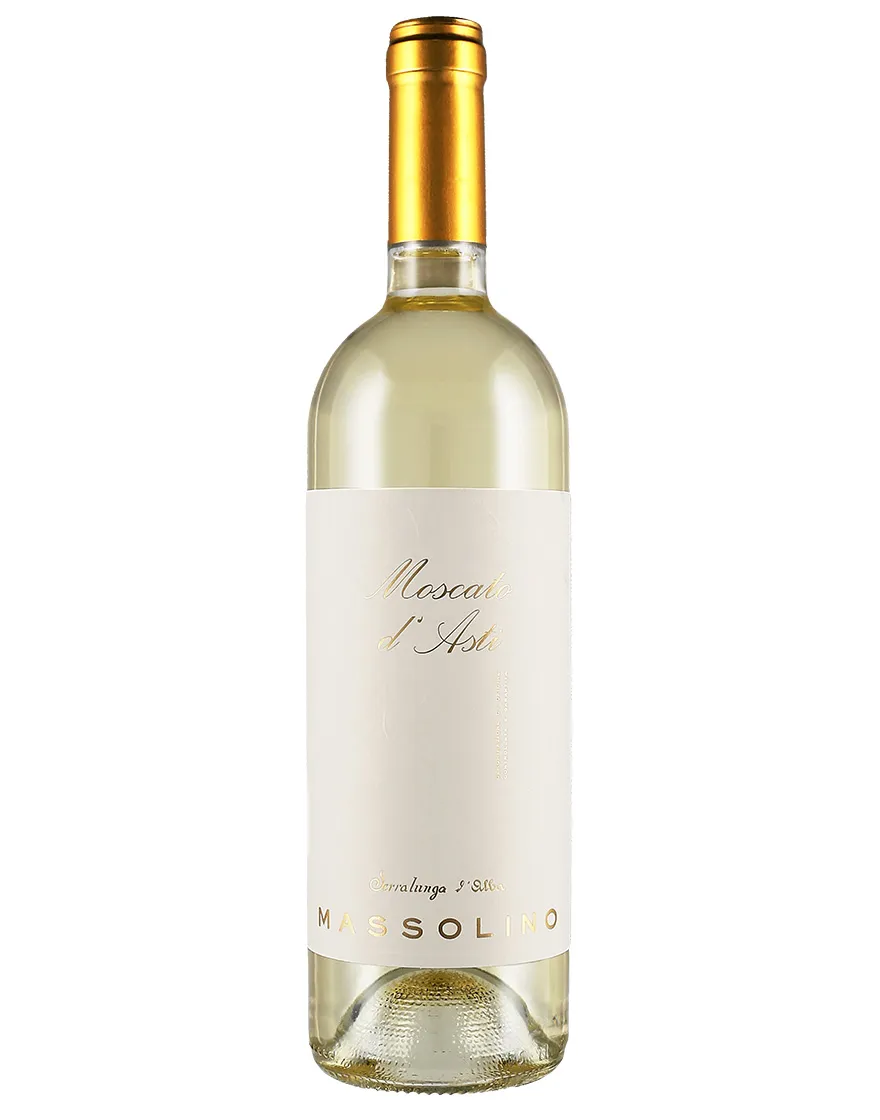
Moscato d'Asti DOCG
Region: Piedmont
Tasting notes
- Peach and apricot
- Orange blossom and sage
- Gentle bubbles
- About 5% alcohol

Passito di Pantelleria DOC
Region: Pantelleria, Sicily
Tasting notes
- Dried apricot and dates
- Honey
- Candied orange peel
- Rich and sweet
Planning the whole meal? Our Christmas dinner wine guide covers every course, from the aperitif to the roast. And a Moscato d’Asti also makes a lovely present, as we explain in our guide to the best Italian wine to give as a gift.
Conclusion
Leave the dry Brut for the aperitif. With panettone and pandoro, choose a wine at least as sweet as the cake: Moscato d’Asti is the easy, fresh, classic answer, and a Passito di Pantelleria or a Recioto di Soave turns dessert into a special moment.
With chocolate panettone, pour a Brachetto d’Acqui.
Frequently asked questions
Can you drink Prosecco with panettone?
A Brut Prosecco is not a good match: next to the sweet cake it tastes sour and thin. If you want Prosecco, choose an Extra Dry or, better, a Dry version, which are sweeter. Moscato d'Asti is still the better choice, because it is clearly sweet and very aromatic.
What is the difference between Moscato d'Asti and Asti Spumante?
Both are sweet wines from Moscato grapes in Piedmont. Moscato d'Asti is only gently sparkling (frizzante), closed with a normal cork, and very low in alcohol, around 5%. Asti Spumante is fully sparkling, closed with a mushroom cork and cage, and a little stronger, around 7%. Both work with panettone and pandoro.
Which red wine goes with panettone?
Dry reds do not work with panettone: the sugar makes their tannins taste bitter. A sweet, gently sparkling red such as Brachetto d'Acqui, with notes of strawberry and rose, is a good choice, especially with chocolate panettone or pandoro with cream.
How we put this article together
We have not tasted every bottle we mention. Tasting notes and scores come from the sources we name: the producer's technical sheet, the retailer's listing or a critic, always credited.
Prices are indicative. In our tables, € means up to about €25, €€ about €25–50 and €€€ above €50, based on what these wines typically cost in European shops. When a review quotes a price, it is the price we saw on the retailer's page on the date shown. Check the current price and availability before you buy.
Shop links may earn us a commission at no extra cost to you. No retailer pays to be included, and a commission never decides what we recommend. How we work with retailers