Wine Guide
Best Wine with Ribeye Steak: Bold Reds That Cut the Fat
The best wines for ribeye steak, from Barolo and Brunello to Primitivo and Amarone. Why tannin loves marbling, plus picks for every budget.
 By Leandro ScarpattiPublished on Updated on
Advertising: this article contains links to online shops that may be affiliate links. If you buy through them, we may earn a commission, at no extra cost to you. How we work with retailers
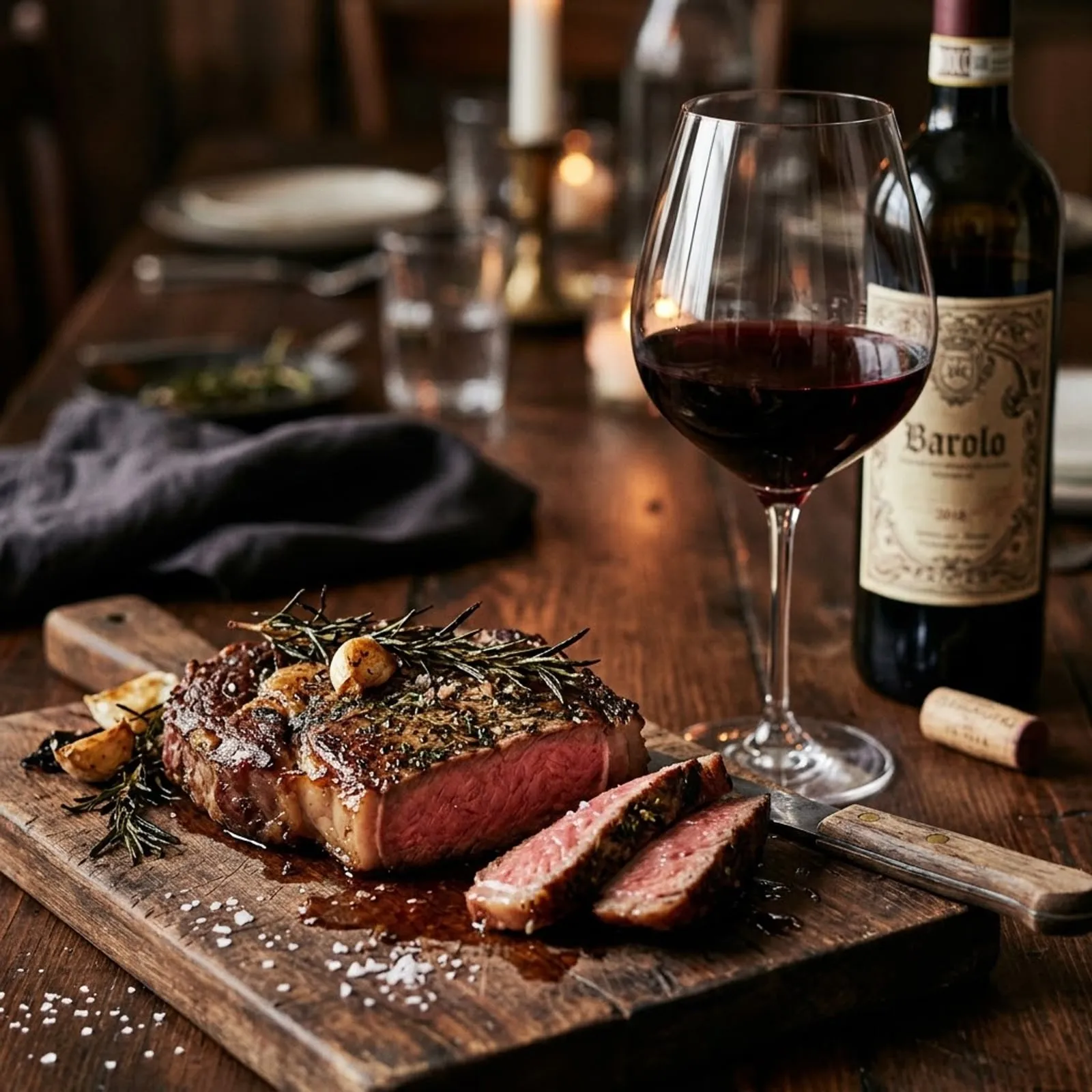
The short answer: the best wine with ribeye steak is a full-bodied red with firm tannins and good acidity, such as Barolo (Nebbiolo), Brunello di Montalcino or Cabernet Sauvignon. If you prefer a riper, softer style, Primitivo di Manduria or Amarone della Valpolicella match the charred crust and rich flavour perfectly.
Ribeye is the most marbled of the classic steaks. That intramuscular fat is what makes it juicy, and it is also what dictates the wine.
The rule is simple: fat needs tannin, acidity or both. Below is how to choose between the two great styles.
Why tannin loves marbling
Tannins are polyphenols from grape skins, seeds and oak. In the mouth they bind with proteins, which is why a young red can feel drying on its own.
Put fat and protein on the palate first and the effect reverses. The tannins latch onto the meat instead of your saliva, so the wine feels smoother and the steak tastes less heavy.
Acidity does the second job. It cuts through the richness and refreshes the palate, so each bite tastes as good as the first.
The two winning styles
There are two ways to pair a ribeye, and both work. One leans on structure, the other on ripeness.
Structured reds such as Nebbiolo from Barolo or Barbaresco bring high tannin, high acidity and savoury notes of rose, tar, cherry and dried herbs. They act like a squeeze of lemon on a fatty dish.
Ripe, generous reds such as Primitivo di Manduria or Amarone offer dark plum, fig, chocolate and sweet spice. Their soft tannins and higher alcohol mirror the caramelised crust of a well-seared steak.
| Wine | Grape | Body and tannin | Typical alcohol | Best ribeye style | Price tier |
|---|---|---|---|---|---|
| Barolo DOCG | Nebbiolo | Full body, high tannin, high acidity | 14–15% | Rare to medium-rare, salt and rosemary | €€–€€€ |
| Brunello di Montalcino DOCG | Sangiovese | Full body, firm tannin, high acidity | 14–15% | Grilled, Tuscan style with olive oil | €€–€€€ |
| Primitivo di Manduria DOC | Primitivo | Full body, soft tannin, moderate acidity | 14–15.5% | Charred, barbecue or smoky rub | €–€€ |
| Amarone della Valpolicella DOCG | Corvina blend (dried grapes) | Very full body, velvety tannin | 15–16.5% | Peppercorn sauce, reduction or long rest | €€–€€€ |
Barolo must age at least 38 months before release, 18 of them in wood. Amarone is made from grapes dried for several months after harvest (appassimento), which concentrates sugar and flavour before fermentation.
Side-by-side comparison
| Pros | Cons |
|---|---|
| Pros: High tannin and acidity cut straight through ribeye marbling | Cons: Young bottles can be austere and need decanting |
| Pros: Savoury notes of rose, tar, cherry and herbs flatter grilled beef | Cons: Pricier than most ripe southern reds |
| Pros: Excellent ageing potential, improves for 10–20 years | Cons: Can clash with sweet glazes or sugary barbecue sauces |
| Pros | Cons |
|---|---|
| Pros: Dark plum, fig and chocolate echo the caramelised crust | Cons: High alcohol (often 14.5% or more) can feel hot if served warm |
| Pros: Soft, round tannins make it approachable on release | Cons: Lower acidity, so less refreshing with very fatty cuts |
| Pros: Handles bold sauces, smoky rubs and barbecue with ease | Cons: Can overwhelm a simply seasoned, rare steak |
How to choose for your steak
Match the wine to the cooking method, not just the cut. A thick ribeye grilled rare with only salt and pepper calls for the precision of Barolo or Brunello.
A ribeye cooked medium, heavily charred or served with a rich sauce works better with Primitivo or Amarone. The ripeness of the wine stands up to the stronger flavours.
On a budget, a good Langhe Nebbiolo offers Barolo’s profile for less. Salice Salentino or a Puglia IGT Primitivo plays the same role on the ripe side.
Serve every one of these at 16–18 °C. Decant a young Barolo for one to two hours, and Primitivo or Amarone for about 30 minutes.
Where to buy
One wine for each style. Instead of pushing a single label, we link to the Barolo and Primitivo di Manduria selections on Vino.com, so you can compare producers and prices yourself.
Shop links may earn us a commission at no extra cost to you.
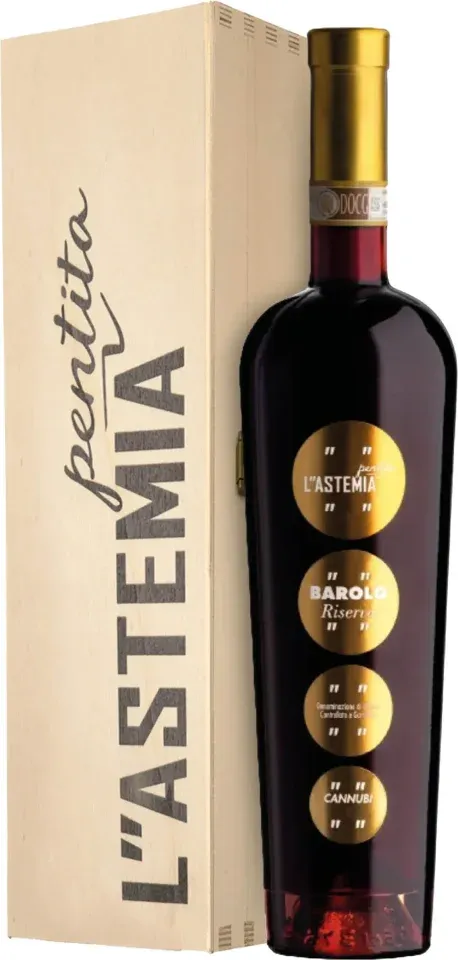
Barolo DOCG
Region: Piedmont
Tasting notes
- Red cherry and rose
- Tar and liquorice
- Firm, fine-grained tannins
- Fresh, long finish
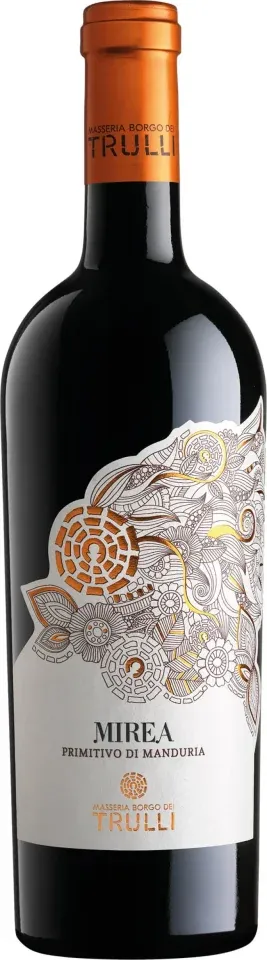
Primitivo di Manduria DOC
Region: Manduria, Puglia
Tasting notes
- Ripe plum and blackberry jam
- Cocoa and vanilla
- Velvety tannins
- Warm, generous finish
Conclusion
Ribeye rewards bold reds. Structure and acidity, as in Barolo, slice through the fat and keep the palate fresh. Ripeness and softness, as in Primitivo or Amarone, embrace the char and the sauce.
If you cannot decide, open one of each with the same steak. Within two bites you will know which style your palate prefers.
Frequently asked questions
Should I drink red or white wine with ribeye steak?
Red, almost always. Ribeye is the fattiest prime cut, and red wine tannins bind with that fat and protein, cleaning the palate after each bite. A rich, oaked white such as a mature white Burgundy can work with a lean steak, but it lacks the grip a well-marbled ribeye needs.
Is Barolo or Amarone better with ribeye?
Barolo is the more classic match: its firm tannins and high acidity cut straight through the marbling. Amarone is richer, riper and more alcoholic, so it suits ribeye with a dark crust, a sweet glaze or a peppercorn sauce. Choose Barolo for freshness, Amarone for power.
What temperature should I serve red wine with steak?
Serve full-bodied reds at around 16–18 °C. Warmer than that, the alcohol stands out, especially in Primitivo and Amarone. Decant a young Barolo for one to two hours so the tannins soften before the steak arrives.
How we put this article together
We have not tasted every bottle we mention. Tasting notes and scores come from the sources we name: the producer's technical sheet, the retailer's listing or a critic, always credited.
Shop links may earn us a commission at no extra cost to you. No retailer pays to be included, and a commission never decides what we recommend. How we work with retailers