Wine Guide
Best Italian Red Wines Under €50: Expert Picks
The best Italian red wines under €50: Barolo, Amarone, Chianti Classico and Primitivo bottles that overdeliver for the price, with tasting notes.
 By Leandro ScarpattiPublished on Updated on
Advertising: this article contains links to online shops that may be affiliate links. If you buy through them, we may earn a commission, at no extra cost to you. How we work with retailers
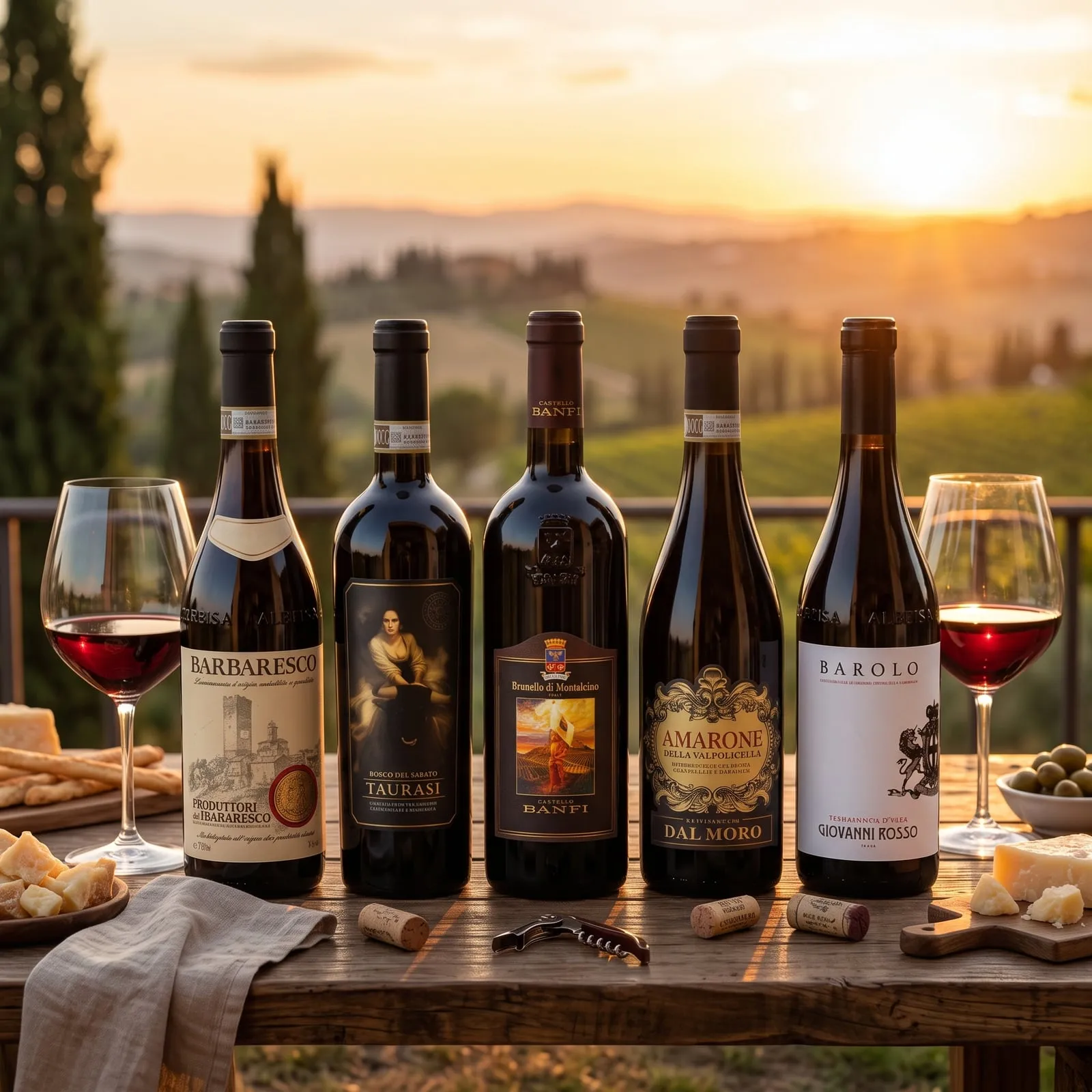
The short answer: the best Italian red wines under €50 are the classic appellations from reliable producers: Chianti Classico, Langhe Nebbiolo, Etna Rosso and Primitivo di Manduria under €25, and entry-level Barolo, Brunello di Montalcino, Amarone and Taurasi between €25 and €50.
Italy has more than 500 native grape varieties and hundreds of appellations. That makes it a minefield for buyers, but also a goldmine for value.
The trick is simple. Buy famous appellations from good producers at their entry level, and lesser-known regions at their best.
Our 8 picks at a glance
Prices are typical retail ranges in Europe for current vintages. They vary by shop and country.
| Wine | Region | Grape | Price tier | Style |
|---|---|---|---|---|
| Fèlsina Chianti Classico DOCG | Tuscany | Sangiovese | € | Fresh, red cherry, savoury |
| Produttori del Barbaresco Langhe Nebbiolo DOC | Piedmont | Nebbiolo | € | Floral, light-bodied, firm tannins |
| Planeta Etna Rosso DOC | Sicily | Nerello Mascalese | € | Red cherry, cocoa, medium-bodied |
| San Marzano Sessantanni Primitivo di Manduria DOC | Puglia | Primitivo | € | Ripe, plush, dark fruit |
| Fontanafredda Barolo Serralunga d’Alba DOCG | Piedmont | Nebbiolo | €€ | Structured, rose, tar, age-worthy |
| Col d’Orcia Brunello di Montalcino DOCG | Tuscany | Sangiovese | €€ | Powerful, dried cherry, leather |
| Masi Costasera Amarone della Valpolicella Classico DOCG | Veneto | Corvina, Rondinella, Molinara | €€ | Rich, raisined fruit, chocolate |
| Mastroberardino Radici Taurasi DOCG | Campania | Aglianico | €€ | Dark, tannic, volcanic |
Under €25: the everyday heroes
Chianti Classico and Langhe Nebbiolo are the two safest bets. Both offer bright acidity and real sense of place at a fair price.
Langhe Nebbiolo is often called “baby Barolo”. It is the same grape, from the same hills, with less ageing and a lighter touch.
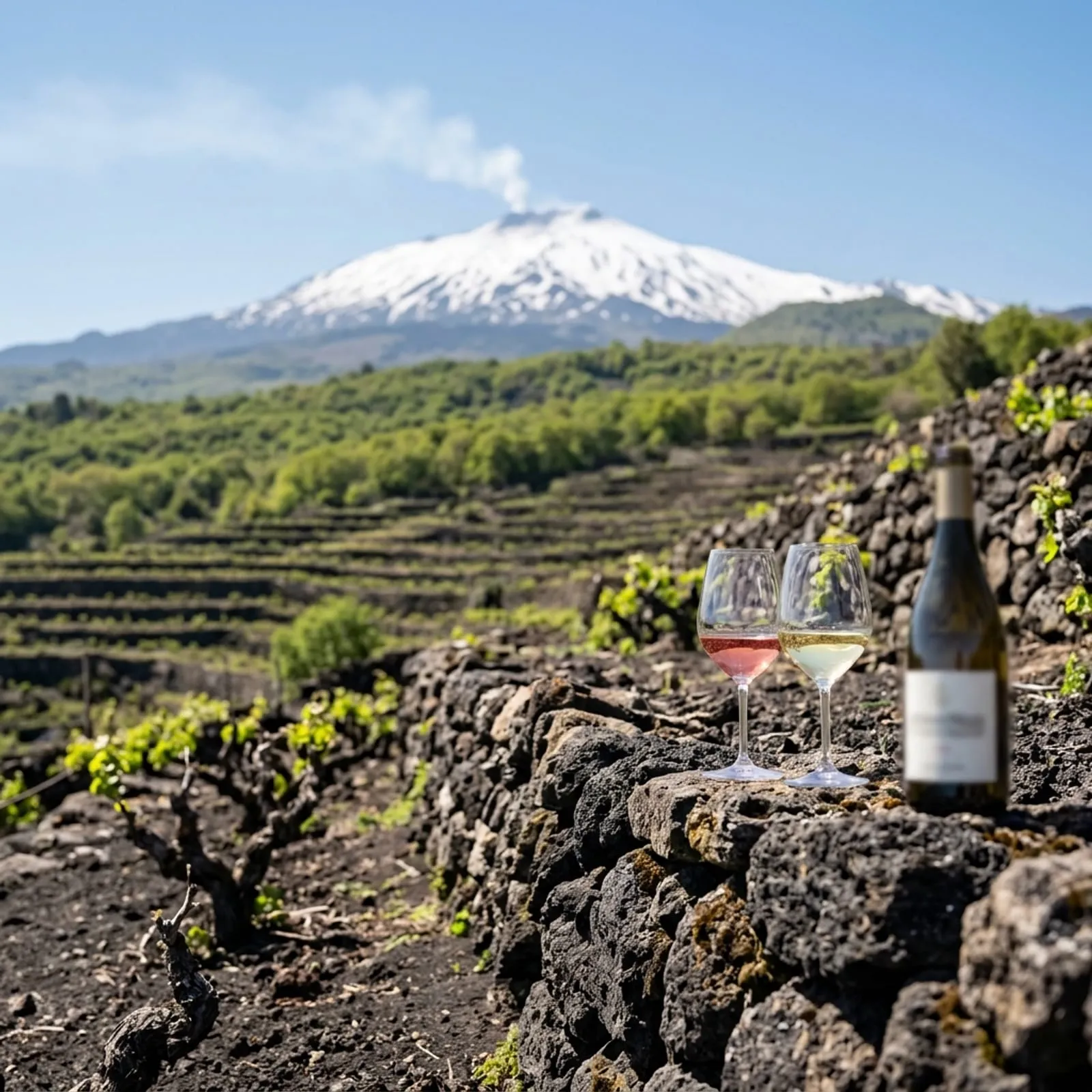
Etna Rosso is the insider’s choice. Nerello Mascalese grown on volcanic soils gives a pale, perfumed red that reminds many tasters of Burgundy.
Primitivo di Manduria is the crowd-pleaser. It is genetically the same grape as Zinfandel, with soft tannins and generous alcohol, often 14% or more.
€25–50: the great appellations
This is where Italy’s most famous reds become affordable. You will not get single-vineyard cuvées, but you will get the real thing.
Barolo must age at least 38 months before release, including 18 months in wood. Brunello di Montalcino cannot be released until about five years after the harvest, with at least two years in oak.
Amarone is made from grapes dried for several months after picking (appassimento). That concentrates sugar and flavour, giving a full-bodied, high-alcohol, usually dry red.
Taurasi, from Aglianico in Campania, is southern Italy’s answer to Barolo. It is tannic, dark and built to age, and still undervalued.
Comparing the two price tiers
| Pros | Cons |
|---|---|
| Pros: Ready to drink on release, no cellaring needed | Cons: Less depth, concentration and length |
| Pros: Fresh acidity that pairs with pizza, pasta and weeknight meals | Cons: Most are best within 3–6 years of the harvest |
| Pros: Easy to buy several bottles and explore different regions | Cons: Not the bottle to impress at a special dinner |
| Pros | Cons |
|---|---|
| Pros: Famous appellations with long legal ageing minimums | Cons: Young Barolo and Taurasi can feel tannic and closed |
| Pros: Layered aromas of dried fruit, leather, spice and earth | Cons: Often need decanting and richer food to show their best |
| Pros: Many improve for 10–15 years or more in a cool cellar | Cons: Entry-level bottlings, not the producer's top wines |
How to choose
Match the wine to the occasion and the plate. A weeknight pasta al pomodoro calls for Chianti Classico. A grilled steak or braised beef calls for Barolo, Brunello or Taurasi.
Amarone works best with strong cheeses such as aged Parmigiano Reggiano, or slow-cooked game. Primitivo suits barbecue and spicy dishes.
Serve reds at 16–18 °C. Decant young Barolo, Brunello and Taurasi for one to two hours.
Where to buy
If you only explore two styles, start with these. Both are Nebbiolo from Piedmont, so you can taste how a lighter Langhe wine compares with a structured Barolo. The links open the full selections on Vino.com, where you can filter by price.
Shop links may earn us a commission at no extra cost to you.
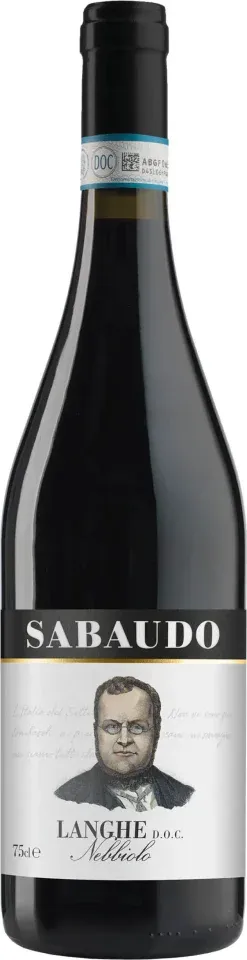
Langhe Nebbiolo DOC
Region: Langhe, Piedmont
Tasting notes
- Red cherry
- Rose petal
- Orange peel
- Fine, grippy tannins
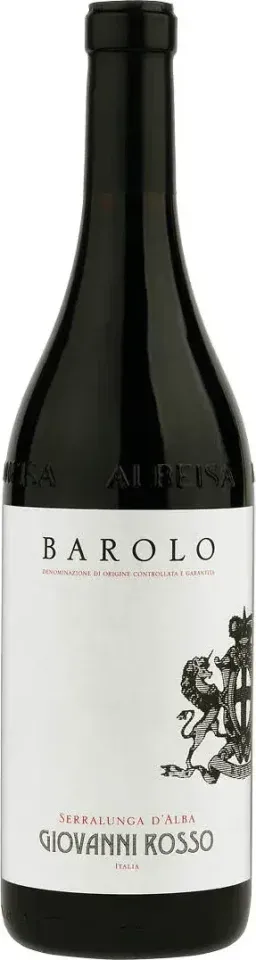
Barolo DOCG
Region: Piedmont
Tasting notes
- Dried rose
- Sour cherry
- Tar and liquorice
- Firm, long finish
Conclusion
You do not need to spend a fortune to drink great Italian red wine. Under €25, look to Chianti Classico, Langhe Nebbiolo, Etna and Primitivo. Between €25 and €50, the big names open up: Barolo, Brunello, Amarone and Taurasi.
Always choose the producer before the label. A good maker’s entry-level wine beats a weak maker’s flagship every time.
Frequently asked questions
Can you buy a good Barolo for under €50?
Yes. Entry-level Barolo from serious producers, usually blended across several plots or from a single commune such as Serralunga d'Alba, sells for about €30–45. Single-vineyard (cru) bottlings from top names usually cost more.
What is the best everyday Italian red under €25?
For versatility, a good Chianti Classico or Langhe Nebbiolo is hard to beat. Both have the fresh acidity that Italian food needs and drink well on release. If you prefer a softer, fruitier style, try a Primitivo di Manduria.
Are Amarone and Brunello worth buying at this price?
At €35–50 you get reliable producers' standard bottlings, not their top cuvées. They still show the region's character clearly. Both are long-aged by law, so they offer real complexity for the money.
How we put this article together
We have not tasted every bottle we mention. Tasting notes and scores come from the sources we name: the producer's technical sheet, the retailer's listing or a critic, always credited.
Prices are indicative. In our tables, € means up to about €25, €€ about €25–50 and €€€ above €50, based on what these wines typically cost in European shops. When a review quotes a price, it is the price we saw on the retailer's page on the date shown. Check the current price and availability before you buy.
Shop links may earn us a commission at no extra cost to you. No retailer pays to be included, and a commission never decides what we recommend. How we work with retailers