Wine Guide
Primitivo vs Zinfandel: Are They the Same Grape?
Primitivo and Zinfandel are the same grape, born in Croatia. How Puglia and California make different wines from it, plus style, food and price tiers.
 By Leandro ScarpattiPublished on
Advertising: this article contains links to online shops that may be affiliate links. If you buy through them, we may earn a commission, at no extra cost to you. How we work with retailers
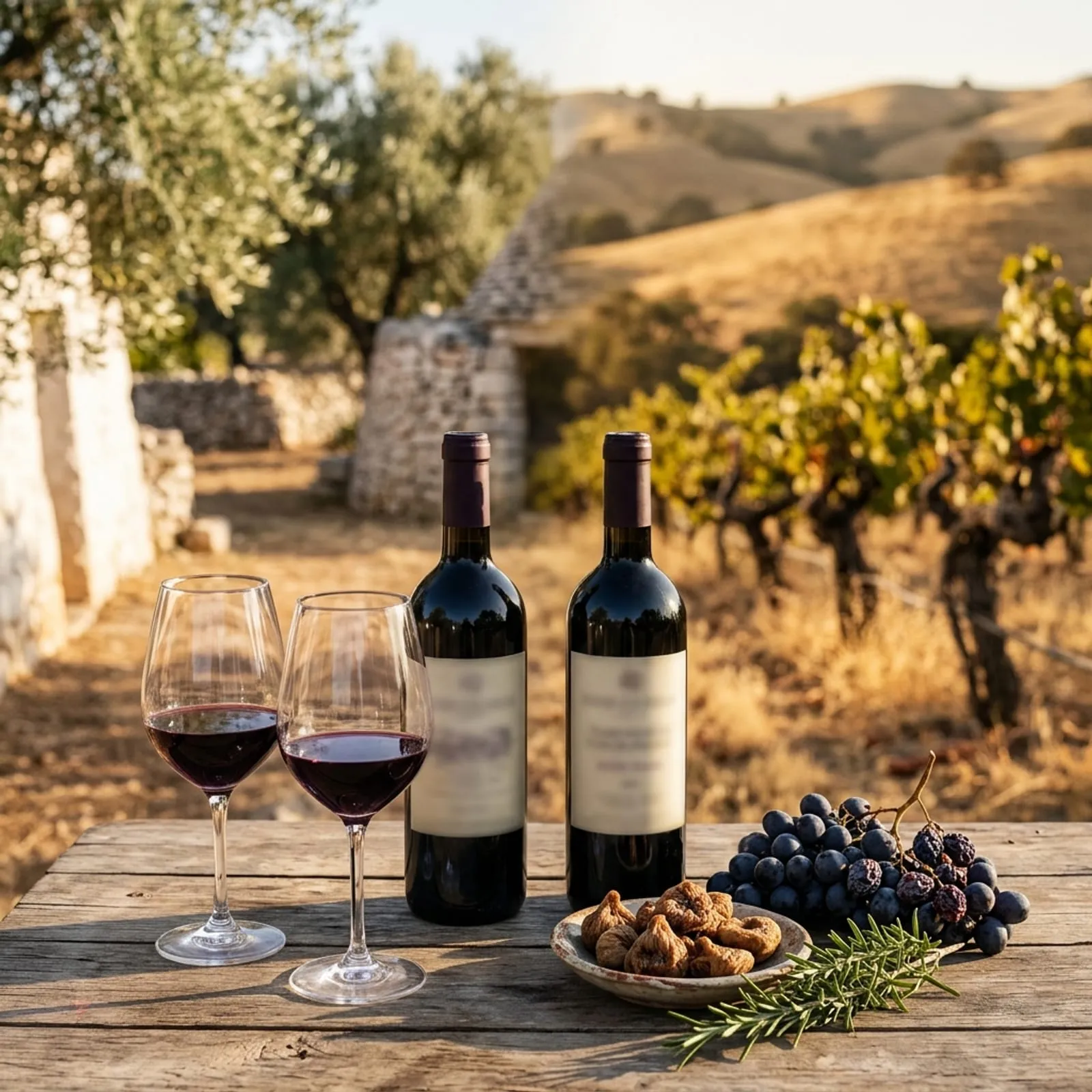
The short answer: Primitivo and Zinfandel are the same grape, a variety born in Croatia. In Puglia, in southern Italy, it is called Primitivo and usually makes soft, round reds with plum, dried fig and Mediterranean herbs, at friendly prices. In California it is called Zinfandel and often makes bolder, jammier wines with more alcohol and more oak. Choose Primitivo for Italian food and value; choose Zinfandel for barbecue and a big, fruity style.
Primitivo and Zinfandel are one of the great detective stories of the wine world. For more than a century, Italians and Americans grew the same grape without knowing it, under two different names, on two different continents.
Today the mystery is solved. But the wines in the glass are still different, and knowing why helps you choose the right bottle.
One grape, three names
In the 1990s, DNA tests at the University of California, Davis confirmed that Primitivo and Zinfandel are the same variety. The search for its origin then moved to Croatia.
In 2001 the team of Professor Carole Meredith identified the grape in a handful of old vines on the Dalmatian coast, where it was called Crljenak Kaštelanski. Historical research later found its oldest known name, Tribidrag, in documents from the 15th century.
From Croatia, the grape travelled in two directions:
- To Puglia, on the other side of the Adriatic Sea. In the late 18th century, a priest in Gioia del Colle, Francesco Filippo Indellicati, selected it for its early ripening. The name Primitivo comes from that: it is one of the first grapes to ripen. It later spread to Manduria, near Taranto.
- To the United States, via the imperial nurseries of Vienna. It arrived on the East Coast in the early 19th century and reached California with the Gold Rush in the 1850s, where it became one of the most planted red grapes.
Primitivo: the Puglia style
Puglia is the heel of Italy’s boot: hot, sunny and flat, with sea breezes from two sides. Primitivo ripens there quickly and easily.
The most famous appellation is Primitivo di Manduria DOC, from the area around Taranto. It makes full-bodied reds with at least 13.5% alcohol, and often more. The sweet version, Primitivo di Manduria Dolce Naturale, has had its own DOCG since 2011. Inland, Gioia del Colle DOC makes fresher Primitivo from higher, cooler vineyards. Simple, inexpensive Primitivo is also sold as Salento IGT or Puglia IGT.
In the glass, Primitivo is soft and round, with ripe plum, black cherry, dried fig, carob and a touch of Mediterranean herbs. Tannins are gentle, and many bottles see little or no new oak.
Zinfandel: the California style
In California, Zinfandel grows in warm areas such as Lodi, Sonoma (especially Dry Creek Valley), Paso Robles and the Sierra Foothills. Some vineyards still have very old vines, planted more than a century ago.
Californian Zinfandel is usually bolder: blackberry jam, black pepper and spice, often with vanilla and sweet spice from American oak. Alcohol of 14.5 to 16% is common.
California also gave the world White Zinfandel, a sweet, pale pink rosé made from the same grape. It is a completely different wine from red Zinfandel.
Both in Puglia and in California, the grape ripens unevenly: the same bunch can carry raisined berries next to green ones. That is one reason why the wines can be so ripe and high in alcohol.
Primitivo vs Zinfandel at a glance
| Primitivo | Zinfandel | |
|---|---|---|
| Where | Puglia, southern Italy | California, USA |
| Grape | Same variety (Tribidrag, from Croatia) | Same variety (Tribidrag, from Croatia) |
| Key appellations | Primitivo di Manduria DOC, Gioia del Colle DOC, Salento IGT | Lodi, Sonoma, Dry Creek Valley, Paso Robles |
| Typical alcohol | 13.5–15% | 14.5–16% |
| Body | Full, soft | Full, bold |
| Flavours | Plum, black cherry, dried fig, herbs | Blackberry jam, black pepper, vanilla |
| Oak | Often light | Often marked, American oak |
| Sweet version | Primitivo di Manduria Dolce Naturale DOCG | White Zinfandel (sweet rosé) |
| Price tier in Europe | €–€€ | €€–€€€ |
| Where to buy | Primitivo di Manduria on Vino.com | Zinfandel on Vino.com |
Prices are typical retail ranges in Europe and vary by producer and vintage. Californian wines usually cost more in Europe because they are imported.
Which one with which food?
Primitivo loves Italian and Mediterranean food: pasta with meat ragù, lasagne, aubergine parmigiana, grilled lamb, sausages and aged Pecorino. Its soft fruit also makes it a good partner for a meaty pizza, as we explain in our guide to the best wine with pizza, and for a ribeye steak.
Zinfandel is the classic wine for American barbecue: pulled pork, ribs with a sweet and smoky sauce, burgers and chilli con carne. Its jammy fruit stands up to sweet glazes and spice.
Avoid both with delicate fish and light salads: the alcohol and ripe fruit cover subtle flavours. And because Primitivo is soft, fruity and inexpensive, it is also our favourite base for mulled wine.
Pros and cons of each
| Pros | Cons |
|---|---|
| Pros: Soft, round and easy to drink young | Cons: Can feel heavy and jammy in very hot vintages |
| Pros: Excellent value: good bottles in the € tier | Cons: High alcohol, often 14% or more |
| Pros: Made for Italian food, from ragù to pizza |
| Pros | Cons |
|---|---|
| Pros: Bold fruit and spice that stand up to barbecue | Cons: Often very high in alcohol, up to 16% |
| Pros: Old-vine bottles can be complex and long | Cons: More expensive in Europe and harder to find |
| Pros: A good choice for lovers of rich, ripe reds | Cons: Heavy oak can cover the fruit |
How to serve them
Serve both at about 16 to 18 °C, slightly below room temperature. On a warm day, 15 minutes in the fridge makes a real difference: high-alcohol reds taste hot when served too warm.
Most Primitivo is ready to drink within three to five years of the harvest. A good Primitivo di Manduria Riserva or an old-vine Zinfandel can keep longer; check the producer’s notes for each wine.
Where to buy
Two ways to discover the same grape: a Primitivo di Manduria from Puglia and a Zinfandel. The buttons take you to the full selections on Vino.com, where you can compare producers and vintages.
Shop links may earn us a commission at no extra cost to you.
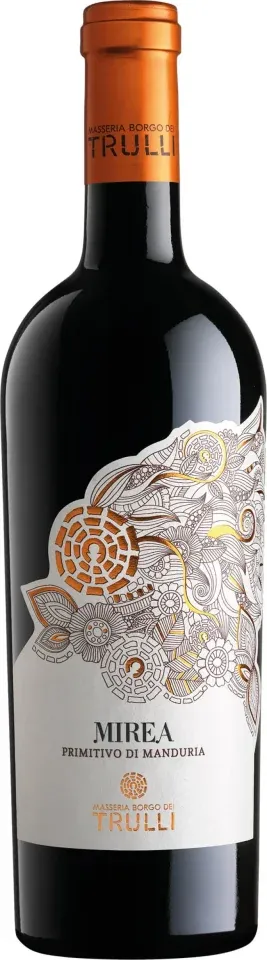
Primitivo di Manduria DOC
Region: Puglia
Tasting notes
- Ripe plum and black cherry
- Dried fig
- Soft tannins
- Full body

Zinfandel
Region: California and Puglia
Tasting notes
- Blackberry jam
- Black pepper and spice
- Ripe and bold
- Full body
For a Primitivo we like at a fair price, see the Sessantanni in our list of the best Italian red wines under 50 euros.
Conclusion
Primitivo and Zinfandel are twins separated at birth: the same Croatian grape, raised in Puglia and in California. Primitivo is the softer, more Mediterranean and better-value sibling; Zinfandel is the bolder, jammier American one.
If you love Italian food or want a great red for little money, start with a Primitivo di Manduria. If barbecue is on the menu, try a Zinfandel.
Frequently asked questions
Are Primitivo and Zinfandel the same grape?
Yes. DNA tests carried out in the 1990s at the University of California, Davis showed that Primitivo and Zinfandel are the same grape variety. Later research traced both to Croatia, where the grape is known as Crljenak Kaštelanski and, in old documents, as Tribidrag. The wines still taste different because they are grown and made in different places.
Is Zinfandel a sweet wine?
Red Zinfandel is usually dry, even if its ripe, jammy fruit and high alcohol can feel rich. The sweet, pink wine many people know is White Zinfandel, a blush rosé made popular in California in the 1970s and 1980s. Primitivo is also normally dry, except for the sweet Primitivo di Manduria Dolce Naturale.
Can a wine from Puglia be labelled Zinfandel?
Yes. Because the two names refer to the same grape, some producers in Puglia label their Primitivo as Zinfandel, mostly for export markets. On Vino.com, for example, you can find Puglia IGP wines sold as Zinfandel. The name on the label tells you the grape, not the style: always check the region.
How we put this article together
We have not tasted every bottle we mention. Tasting notes and scores come from the sources we name: the producer's technical sheet, the retailer's listing or a critic, always credited.
Shop links may earn us a commission at no extra cost to you. No retailer pays to be included, and a commission never decides what we recommend. How we work with retailers