Wine Guide
Which Wine for Mulled Wine? The Italian Vin Brulé Recipe
The best wine for mulled wine is a cheap, fruity red with soft tannins, never a Barolo. Which bottles to use and the Italian vin brulé recipe, step by step.
 By Leandro ScarpattiPublished on
Advertising: this article contains links to online shops that may be affiliate links. If you buy through them, we may earn a commission, at no extra cost to you. How we work with retailers
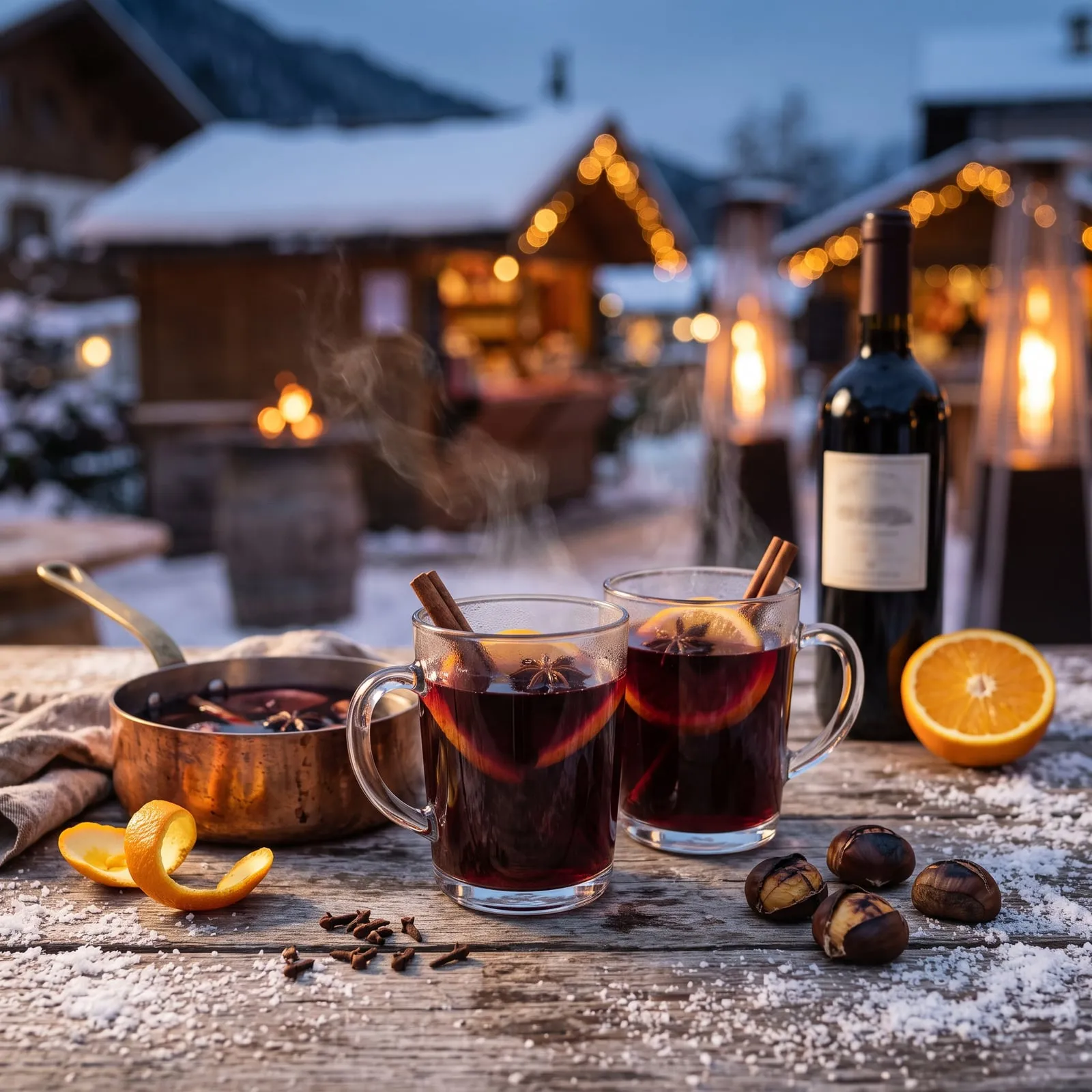
The short answer: the best wine for mulled wine is an inexpensive, fruity red with soft tannins and no heavy oak, such as Primitivo, Merlot, Montepulciano d’Abruzzo or Barbera; never waste a Barolo, Brunello or Amarone, which turn bitter and lose everything that makes them special once heated with sugar and spices.
In Italy, mulled wine is called vin brulé, from the French for “burnt wine”. You smell it before you see it: at the Christmas markets of Bolzano, Merano and Trento, after a day on the ski slopes in the Alps, at village festivals in Piedmont and Lombardy. Across Europe it has other names: Glühwein in Germany and Austria, vin chaud in France, glögg in Sweden.
The recipe is simple. The real question is which wine to pour into the pot.
What makes a good wine for vin brulé
Heating changes wine. Some flavours fade, others become stronger. That is why the best base wine has four features:
- Ripe, generous fruit. Plum, cherry and blackberry are what you want to taste through the cinnamon and orange.
- Soft tannins. Tannins become harsher when heated and next to sugar. A grippy, young Nebbiolo would make the drink dry and bitter.
- Little or no oak. Strong vanilla and toast notes fight with the spices.
- A fair price. You are adding sugar, fruit and spices. An inexpensive bottle from our € price tier is perfect.
The best Italian wines to use
Primitivo from Puglia is our favourite. It is ripe, round and low in acidity, with dark plum and jam notes that are made for cinnamon and cloves. A bottle of Primitivo di Manduria or Primitivo Salento IGT gives a rich, velvety vin brulé.
Montepulciano d’Abruzzo is the budget champion. Deep colour, soft tannins and black cherry fruit, often at very friendly prices.
Merlot from Veneto or Friuli is the safe, easy choice. Round and plummy, it works with any spice mix.
Barbera and Dolcetto are the Piedmont way. Barbera brings fresh acidity that keeps the drink lively, Dolcetto brings soft fruit. In Alpine valleys, the local vin brulé is often made with these everyday reds.
Cesanese from Lazio is a fun alternative: juicy red cherry and a hint of black pepper that echoes the spices.
Which wines never to use
| Pros | Cons |
|---|---|
| Pros: Fruity, soft reds: Primitivo, Merlot, Montepulciano d'Abruzzo, Barbera, Dolcetto | Cons: Barolo, Brunello, Amarone: expensive and wasted, tannins turn bitter |
| Pros: Young wines from the last two or three vintages | Cons: Heavily oaked reds, whose vanilla clashes with the spices |
| Pros: Inexpensive bottles (€ tier), ideal for a big pot | Cons: Corked or spoiled wine: heat makes defects worse, not better |
A note on leftovers: an open bottle that is still good is fine for vin brulé. A wine that already tastes of vinegar or wet cardboard is not. Heat does not fix faults, it amplifies them.
Italian vin brulé recipe
For 4–6 mugs:
- 1 bottle (750 ml) of fruity red wine
- 100–150 g of sugar (or 3–4 tablespoons of honey)
- peel of 1 untreated orange and ½ lemon, without the white pith
- 1 cinnamon stick
- 4–6 cloves
- 1–2 star anise (optional)
- a pinch of grated nutmeg (optional)
Method:
- Pour the wine into a heavy pan and add the sugar, citrus peel and spices.
- Heat slowly over low heat, stirring until the sugar dissolves.
- Keep it hot but never let it boil. Small bubbles at the edge are the signal to turn the heat down. Boiling makes the drink bitter and drives off the aromas.
- After 10–15 minutes of gentle heat, taste and add more sugar if needed.
- Strain and serve straight away in heat-proof glasses or mugs, with a slice of orange.
Some Alpine recipes add a few apple slices or a splash of grappa just before serving. In the Trentino and Alto Adige markets you can also find a white vin brulé, made with an aromatic white wine and the same spices.
How to serve it
Serve vin brulé hot, between 60 and 70 °C, in thick glasses or mugs with a handle. Do not keep it on the stove for hours: after an hour or so it tastes stewed.
It goes perfectly with the sweets of an Italian winter: panettone, pandoro, gingerbread, roast chestnuts and dried fruit. For the Christmas meal itself, see our Christmas dinner wine guide, and for the other autumn ritual, the new wine of San Martino, read our guide to vino novello.
Drink responsibly. A hot drink feels lighter than it is, so keep an eye on how many mugs you pour.
Where to buy
Two Italian reds that make a generous vin brulé without costing much. The cards lead to the full Vino.com selections, so you can choose the bottle and price that suit your pot.
Shop links may earn us a commission at no extra cost to you.
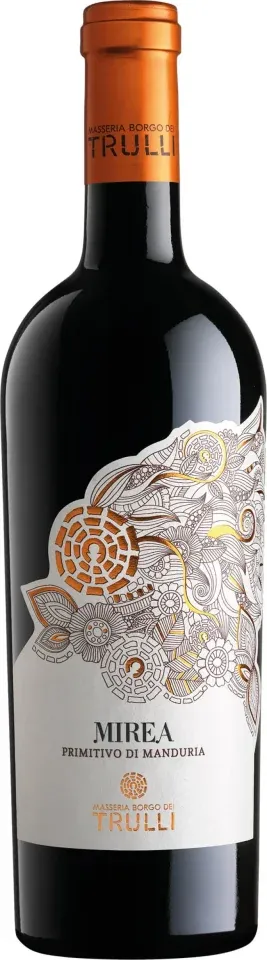
Primitivo di Manduria DOC
Region: Puglia
Tasting notes
- Ripe plum and blackberry jam
- Soft, round tannins
- Low acidity
- Loves cinnamon and cloves
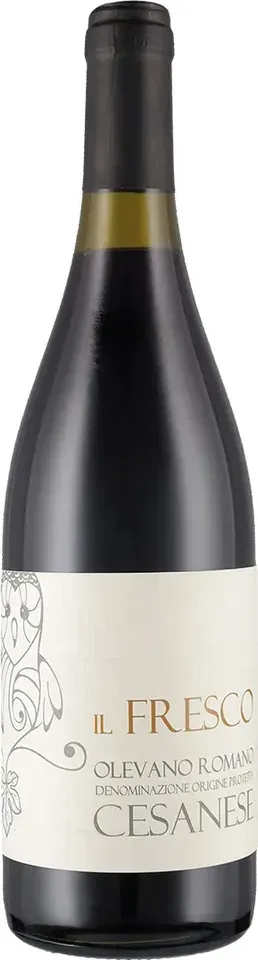
Cesanese
Region: Lazio
Tasting notes
- Red cherry
- Black pepper
- Wild herbs
- Soft, juicy tannins
Conclusion
The secret of a good vin brulé is not an expensive bottle. It is a fruity, soft red, a gentle flame and the right balance of sugar and spice.
Pick a Primitivo, a Montepulciano d’Abruzzo or a Merlot, keep the Barolo for the table, and never let the pot boil.
Frequently asked questions
What is the best red wine for mulled wine?
Choose an inexpensive, fruity red with soft tannins and little or no oak. Italian options include Primitivo, Merlot, Montepulciano d'Abruzzo, Barbera, Dolcetto and Cesanese. Their ripe fruit stands up to the sugar and spices without turning bitter when heated.
Can you use expensive wine for mulled wine?
You can, but it is a waste. Heat, sugar and spices cover the subtle aromas that make a great wine worth its price. Tannic wines such as Barolo or Brunello can even taste harsher and more bitter once heated and sweetened.
Does mulled wine lose its alcohol when heated?
Only partly. Gentle heating evaporates a small share of the alcohol, but a vin brulé made from a normal wine still contains alcohol. Heat it slowly and never let it boil, both to keep the flavour and to avoid burning off the aromas.
How we put this article together
We have not tasted every bottle we mention. Tasting notes and scores come from the sources we name: the producer's technical sheet, the retailer's listing or a critic, always credited.
Shop links may earn us a commission at no extra cost to you. No retailer pays to be included, and a commission never decides what we recommend. How we work with retailers