Wine Guide
How to Read an Italian Wine Label: DOC, DOCG, IGT, Riserva and More
Italian wine labels explained: what DOCG, DOC and IGT mean, plus Classico, Superiore, Riserva, vintage, sparkling sweetness terms and who made the wine.
 By Leandro ScarpattiPublished on
Advertising: this article contains links to online shops that may be affiliate links. If you buy through them, we may earn a commission, at no extra cost to you. How we work with retailers
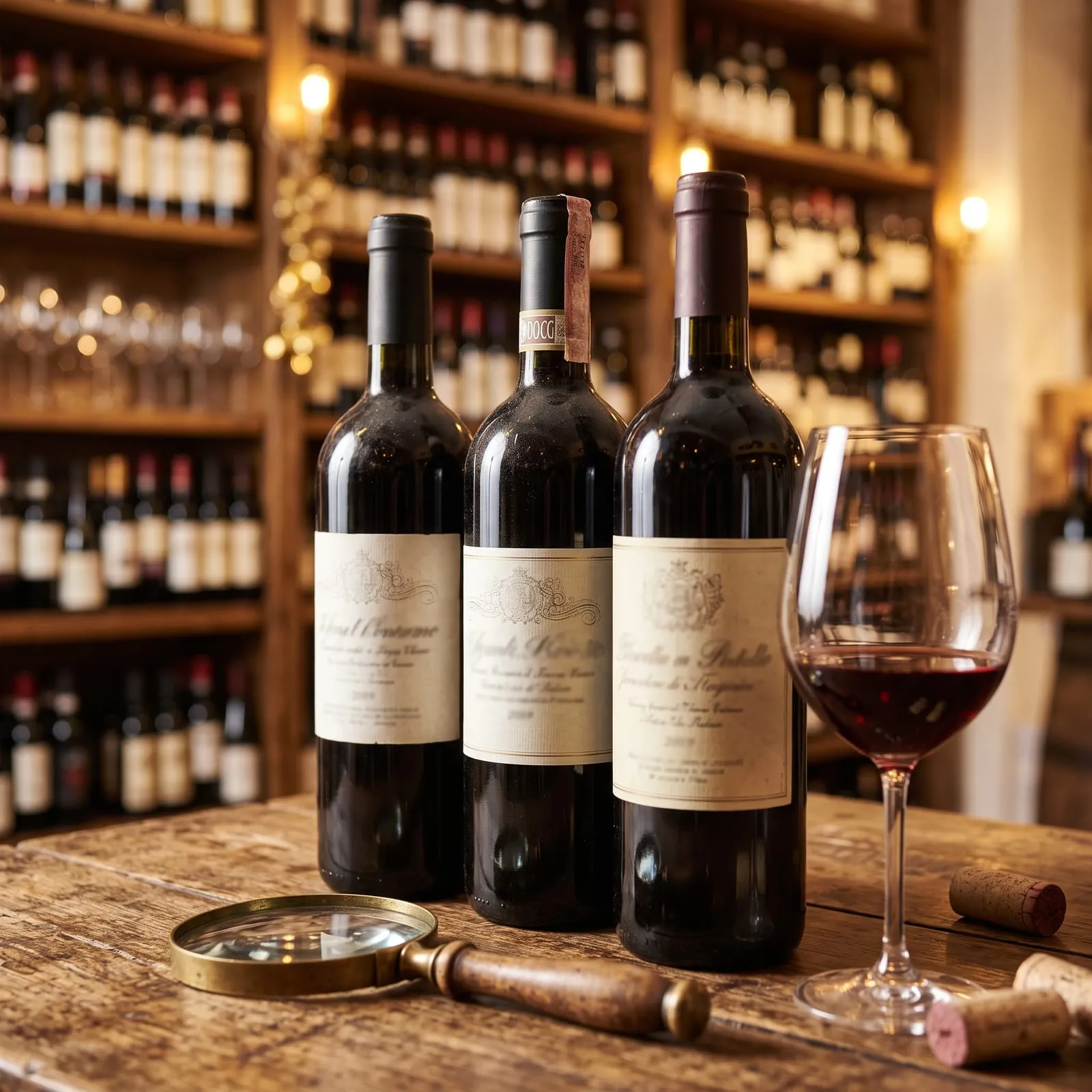
The short answer: an Italian wine label tells you four things: the quality category (DOCG, DOC or IGT), the place and often the grape, how long the wine was aged (words like Riserva or Superiore) and who made and bottled it. DOCG has the strictest rules, DOC comes next and IGT gives producers the most freedom.
Italian labels look complicated because the most important word is usually a place, not a grape. Barolo, Chianti Classico and Brunello di Montalcino are all places.
Once you know the handful of terms below, you can read almost any bottle in a shop.
The quality pyramid: DOCG, DOC, IGT and Vino
Italy classifies wine in four levels. The two top levels are protected designations of origin under EU rules (DOP), and IGT is a protected geographical indication (IGP).
DOCG (Denominazione di Origine Controllata e Garantita) is the top level. Rules fix the area, grapes, yields and minimum ageing, and the wine must pass an official analysis and tasting before release. Every bottle carries a numbered government strip around the neck. There are more than 70 DOCGs, including Barolo, Barbaresco, Brunello di Montalcino, Chianti Classico, Franciacorta and Prosecco Superiore di Conegliano Valdobbiadene.
DOC (Denominazione di Origine Controllata) also has a defined area and production rules, a little less strict than DOCG. Langhe Nebbiolo and Primitivo di Manduria are DOC wines.
IGT (Indicazione Geografica Tipica) names a wider region, such as Toscana or Puglia, and gives producers freedom over grapes and style. It covers simple everyday wines and some of Italy’s most famous bottles, such as Tignanello.
Vino (or Vino d’Italia) is basic table wine with no geographical indication.
Classico, Superiore and Riserva
These words sit next to the name of the denomination and change what is in the bottle.
Classico means the grapes come from the historic heart of the zone. Chianti Classico, Soave Classico and Valpolicella Classico are examples.
Superiore usually means a higher minimum alcohol and often longer ageing or lower yields than the standard wine. The exact rules depend on the denomination.
Riserva means longer ageing before release. Chianti Classico Riserva must age at least 24 months, including 3 in bottle. Barolo Riserva must age at least 62 months, 18 of them in wood. See Chianti Classico vs Riserva for a full example.
In Chianti Classico there is one more step above Riserva: Gran Selezione, the top category of the denomination.
Vineyard names, vintage and who made the wine
Vendemmia is the vintage: the year the grapes were picked.
Vigna followed by a name points to a single vineyard. In Barolo and Barbaresco, official vineyard names called MGA (Menzioni Geografiche Aggiuntive), such as Cannubi, mark specific crus.
Imbottigliato all’origine means the wine was bottled by the estate that grew the grapes. Prodotto e imbottigliato da names the producer and bottler.
The label also shows the alcohol (% vol), the volume and the allergen warning contiene solfiti (contains sulphites).
Sparkling and sweetness terms
Spumante is fully sparkling; frizzante is lightly sparkling. Metodo classico means the traditional method with a second fermentation in the bottle, as in Franciacorta and Champagne. For the difference with tank-method Prosecco, see Prosecco vs Franciacorta.
On sparkling wines, sweetness goes from driest to sweetest: Brut Nature (or Pas Dosé), Extra Brut, Brut, Extra Dry, Dry. The trap: Extra Dry is sweeter than Brut.
On still wines, secco is dry, abboccato and amabile are off-dry to medium-sweet, and dolce is sweet.
Italian wine label terms at a glance
| Term on the label | What it means | Example |
|---|---|---|
| DOCG | Strictest category, tasted before release, numbered neck strip | Barolo DOCG |
| DOC | Defined area and rules, a little less strict | Langhe DOC |
| IGT | Wider region, freedom over grapes and style | Toscana IGT (Tignanello) |
| Classico | Historic heart of the zone | Chianti Classico DOCG |
| Superiore | Higher minimum alcohol, often longer ageing | Prosecco Superiore DOCG |
| Riserva | Longer minimum ageing, set by each denomination | Chianti Classico Riserva, at least 24 months |
| Vendemmia | Vintage year | Vendemmia 2021 |
| Imbottigliato all’origine | Bottled by the estate that grew the grapes | Estate wines |
| Metodo classico | Second fermentation in the bottle | Franciacorta DOCG |
| Extra Dry | Sweeter than Brut on sparkling wines | Many Prosecco wines |
DOC and DOCG vs IGT: what the category tells you
| Pros | Cons |
|---|---|
| Pros: Guaranteed origin and production rules | Cons: Rules can exclude grapes or methods some producers want to use |
| Pros: Typical style of the place is easy to predict | Cons: The category does not guarantee that you will like the wine |
| Pros: DOCG wines are tasted before release |
| Pros | Cons |
|---|---|
| Pros: Freedom over grapes and style | Cons: Very wide quality range |
| Pros: Includes famous Super Tuscans and many good-value wines | Cons: The producer's name matters more than the category |
Where to buy
These two bottles show many of the terms above on a single label: a Chianti Classico Riserva (DOCG, Classico, Riserva) and a Barolo Riserva from the Cannubi MGA. The buttons take you to the full selection of each denomination on Vino.com.
Shop links may earn us a commission at no extra cost to you.
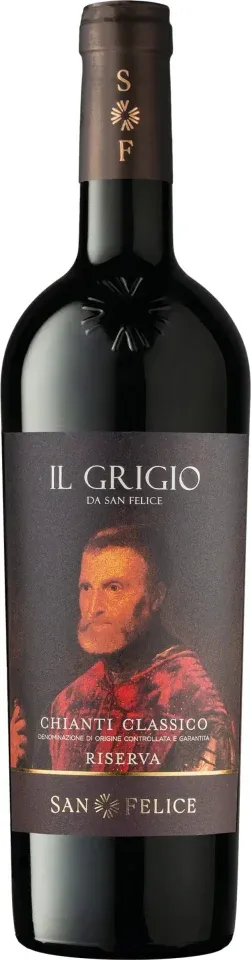
Chianti Classico DOCG
Region: Tuscany
Tasting notes
- DOCG, Classico and Riserva
- Red cherry and violet
- Savoury tannins
- Lively acidity
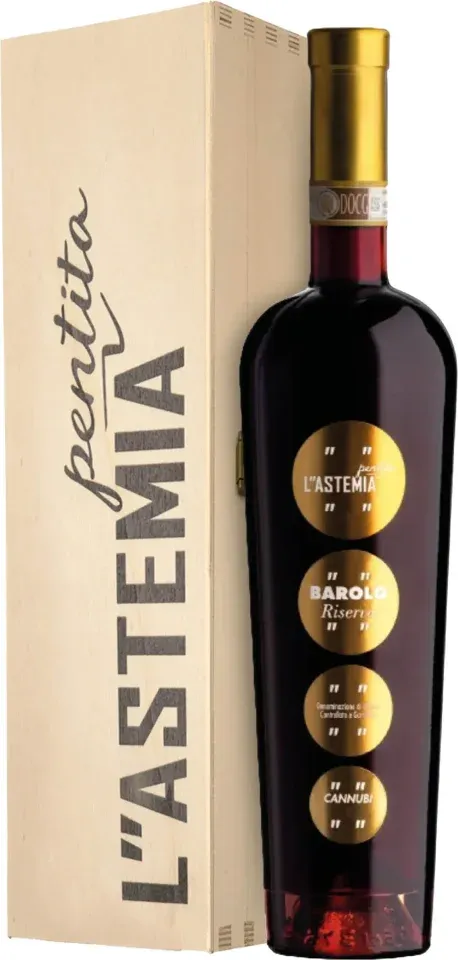
Barolo DOCG
Region: Piedmont
Tasting notes
- DOCG with a named MGA cru
- Rose and red cherry
- Tar and liquorice
- Firm, fine tannins
Conclusion
Read an Italian label from the top category down. DOCG, DOC or IGT tells you how strict the rules are; the place tells you the style; Classico, Superiore and Riserva tell you how the wine was made and aged.
Then look at the vintage and the producer. On IGT wines especially, the producer is the best guide to quality.
Frequently asked questions
Is DOCG better than DOC?
DOCG has stricter rules than DOC: tighter limits on yields, grapes and ageing, plus an official tasting before release and a numbered strip on the neck of the bottle. It is a guarantee of origin and method, not of taste. A great DOC or IGT wine can be better than an ordinary DOCG.
What does Riserva mean on an Italian wine?
Riserva means the wine aged longer before release than the standard version of the same denomination. Each denomination sets its own minimum: Chianti Classico Riserva needs at least 24 months, Barolo Riserva at least 62 months. Riserva bottles are usually more concentrated and age longer.
Why are some famous Italian wines only IGT?
Because their producers chose grapes or methods that the local DOC or DOCG rules did not allow. Many Super Tuscans, such as Tignanello, blend Sangiovese with Cabernet and are sold as Toscana IGT. On these bottles the producer's name matters more than the category.
How we put this article together
We have not tasted every bottle we mention. Tasting notes and scores come from the sources we name: the producer's technical sheet, the retailer's listing or a critic, always credited.
Shop links may earn us a commission at no extra cost to you. No retailer pays to be included, and a commission never decides what we recommend. How we work with retailers